Red Milo in Bird Seed: Do Any Birds Actually Eat It?
Do birds eat milo? Some ground-feeding birds will eat it, but most backyard songbirds pick around it or ignore it completely. That’s why you’ll see it sitting untouched under the feeder long after the sunflower seeds and millet are gone.
I’ve dumped out enough bargain seed mix over the years to know the pattern. There’s always a layer of hard, round, reddish-brown seeds left in the bottom of the bag or scattered on the ground. That’s milo, and it’s one of the biggest reasons a cheap seed mix ends up feeding squirrels and mice instead of the birds you’re trying to attract.
This article looks at what milo actually is, which birds will eat it, which ones won’t touch it, and whether it’s worth buying seed that contains it.
What Is Milo?
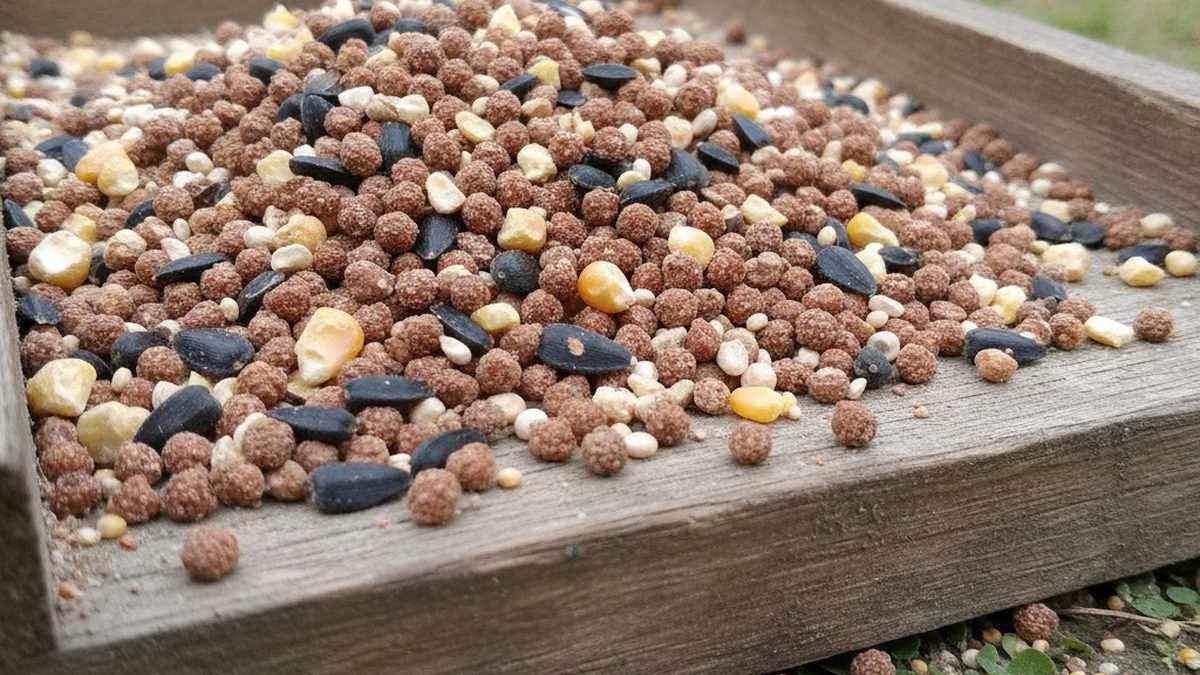
Milo is another name for sorghum, a round, reddish-brown seed that looks a bit like a small, hard BB. It’s a cheap crop to grow, so seed companies use it to bulk up bags of mixed bird seed without raising the price much.
The catch is that milo doesn’t cost much for a reason. It’s not a favorite food for most songbirds. When a mix is heavy on milo, corn, and wheat, it’s usually a sign the company is padding the bag with filler instead of seeds birds actually want, like black-oil sunflower or white proso millet.
You can spot milo pretty easily. It’s round, reddish or tan, and about the size of a small pea, smaller than a sunflower seed and rounder than a piece of millet.
Which Birds Eat It
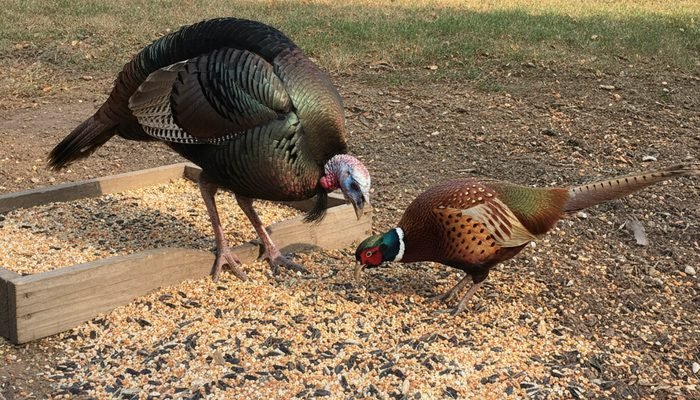
Milo isn’t totally useless. Some ground-feeding birds do eat it, especially in the western and southern parts of the country. Wild Turkeys, Ring-necked Pheasants, and some quail species will eat sorghum readily, since it’s a normal part of their diet in agricultural areas.
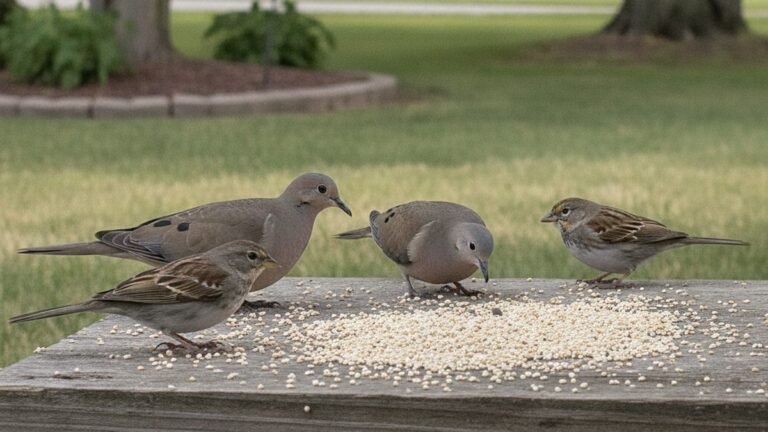
Backyard birds that feed on the ground, like Mourning Doves, will pick at milo sometimes, especially if there isn’t much else around. I’ve watched doves under my platform feeder work through the mix, but they clearly go for the millet and cracked corn first and leave the milo for last.
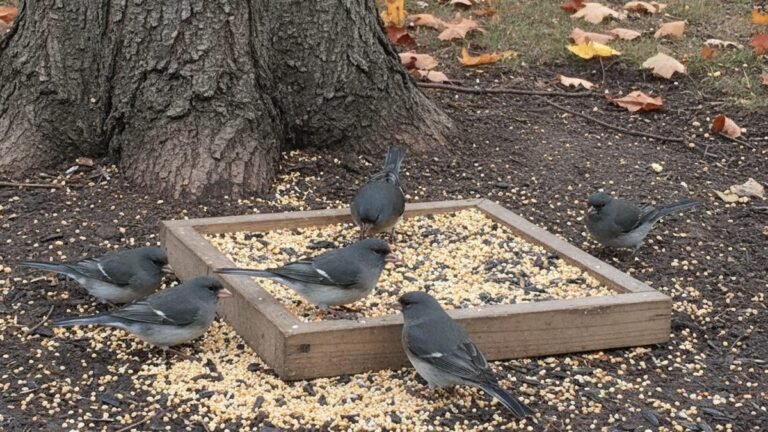
Dark-eyed Juncos and other sparrows may peck at it occasionally too, but it’s never their first choice. If milo is sitting next to sunflower seed, safflower, or millet, most birds will eat everything else first.
Which Birds Ignore It
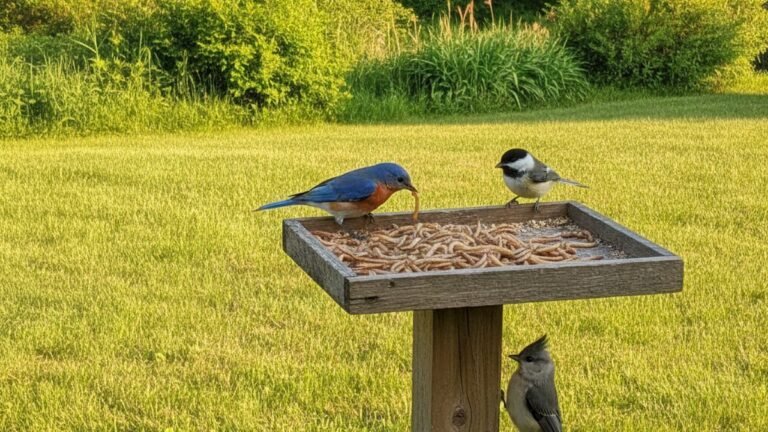
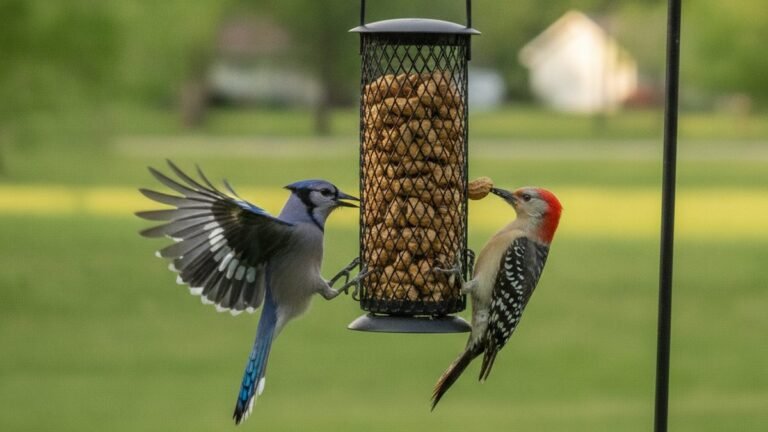
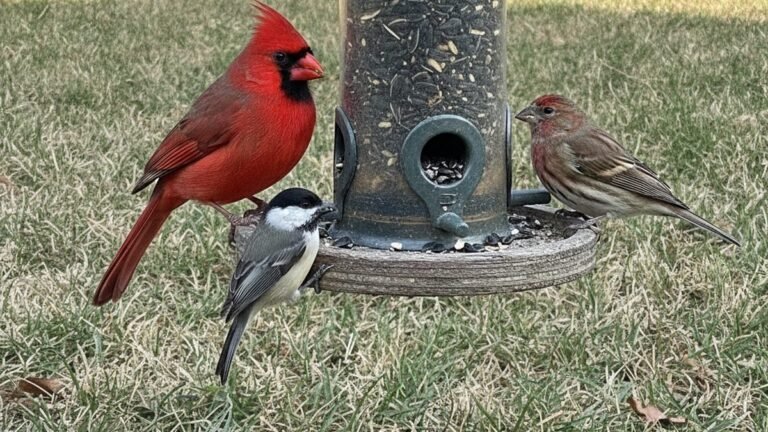
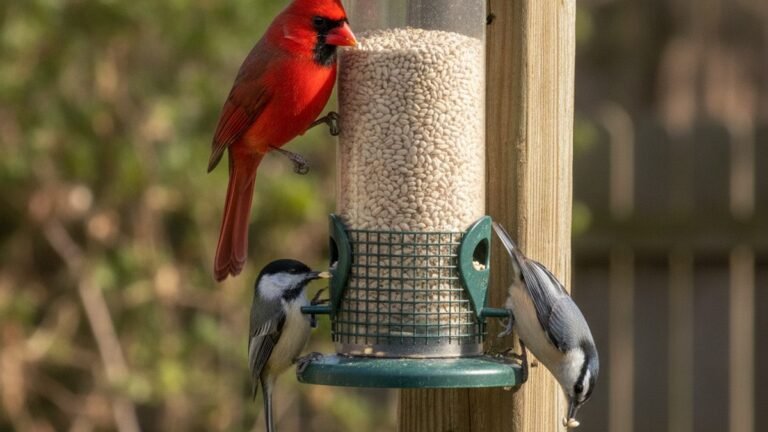
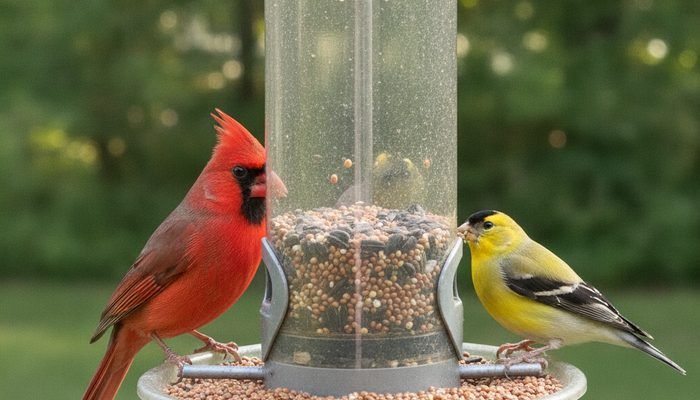
This is the longer list. Northern Cardinals, House Finches, American Goldfinches, Black-capped Chickadees, White-breasted Nuthatches, and Blue Jays generally will not eat milo. These are some of the most common feeder birds in the Upper Midwest and across most of the country, and they’ll pass right over it.
The Cornell Lab of Ornithology and Project FeederWatch data both point to the same pattern. Birds strongly prefer black-oil sunflower seed, nyjer, white proso millet, and peanuts over milo, wheat, or red corn. When a mix is loaded with milo, a lot of it just falls to the ground and gets left behind, or it gets scooped up by squirrels and rodents instead.
I’ve seen this myself with a cheap mix I picked up on sale one winter. The cardinals and chickadees cleaned out the sunflower chips within a day, and the reddish milo pellets sat under my platform feeder for almost two weeks. Eventually the juncos and a few doves worked through some of it, but most of it just sat there until I raked it up.
How to Offer It
If you already have a bag of seed with milo mixed in, you don’t need to throw it out. Spread it on the ground or on a low platform feeder rather than in a hanging tube or hopper feeder. Ground feeders like Mourning Doves and sparrows are the ones most likely to use it, and it’s easier for them to sort through loose seed on the ground than seed packed into a feeder port.
Some people sift out the milo before filling their feeders, using a simple kitchen colander to shake out the small round seeds and keep the sunflower and millet. It’s a little bit of extra work, but it means less waste and fewer feeder visits from squirrels chasing spilled seed. If squirrels are already a problem in your yard, cutting out filler seed is one more way to keep less food on the ground for them. For more on that, see dealing with squirrels at your feeders.
Honestly, for most backyard setups, it’s simpler to just avoid milo-heavy mixes going forward and put your money into seed birds actually want.
Is It Worth Buying (Sam’s Verdict)
My honest take: seed mixes loaded with milo are rarely a good deal, even when the price looks tempting. You’re paying for weight in the bag, but a good chunk of that weight is seed most of your regular visitors will never touch.
I’d rather pay a bit more for a mix that’s heavy on black-oil sunflower, millet, and cracked corn, or just buy straight sunflower seed and a separate nyjer feeder for goldfinches. Less waste on the ground also means less mess to clean up and fewer squirrels and mice showing up to clean up after the birds.
If you’re new to buying seed and want a full breakdown of what to look for on the label, check out our full guide to bird seed types. It’s a good next step for figuring out which mixes are worth your money.
Wrapping Up
Milo isn’t dangerous to birds, it’s just not very popular with the crowd most of us are trying to feed. If you spot it high on the ingredient list, that’s a good clue the mix is more filler than food. I’d rather spend a little more on seed that actually gets eaten than sweep up leftover milo every week.
Frequently Asked Questions
Is milo bad for birds?
No, milo isn’t harmful to birds. It’s just not very appealing to most backyard songbirds. Ground feeders like doves, pheasants, and turkeys will eat it, but cardinals, finches, and chickadees usually leave it alone, so it often ends up wasted on the ground.
Why do seed companies put milo in bird seed mixes?
Milo is cheap to grow, so it’s an easy way for companies to add bulk and weight to a bag of seed without raising costs much. It lets them advertise a low price per pound, even though a lot of birds won’t actually eat it.
How can I tell if my bird seed has milo in it?
Check the ingredient list on the bag and look for round, reddish-brown seeds about the size of a small pea. If milo, wheat, or red corn are listed near the top of the ingredients, it’s likely a lower-quality filler mix.
What should I look for instead of milo in bird seed?
Look for mixes where black-oil sunflower seed, white proso millet, or peanuts are listed first. These are the seeds most backyard birds, including cardinals, chickadees, and finches, actually prefer and will eat quickly.