Safflower Seed: 10 Birds That Love It (And Why Squirrels Don’t)
Birds that eat safflower seed include Northern Cardinals, chickadees, nuthatches, and House Finches. It’s a white, cone-shaped seed with a thick shell and a bitter taste that most squirrels can’t stand, which makes it one of the best options if squirrels keep raiding your feeders.
I started mixing safflower into my hopper feeder years ago after getting tired of watching squirrels clean out the sunflower seed in a single afternoon. It took a little while for my cardinals to find it, but once they did, they stuck around.
In this article I’ll walk through which birds actually go for safflower, which ones ignore it, and how to offer it so you get the most for your money.
What Is Safflower Seed?
Safflower is a small, white seed that comes from a flowering plant related to sunflowers. It has a hard outer shell, a bitter taste, and a fair amount of oil and protein inside.
It’s been grown for centuries for its oil, but backyard bird feeders have made it popular for a different reason. Cornell Lab of Ornithology lists safflower as a solid feeder option, especially in yards with heavy squirrel or starling pressure.
The seed itself is not spicy or dangerous. It’s just an acquired taste that most mammals skip over.
Which Birds Eat Safflower Seed
Here are 10 birds that eat safflower seed regularly and will use a feeder stocked with it.
1. Northern Cardinal
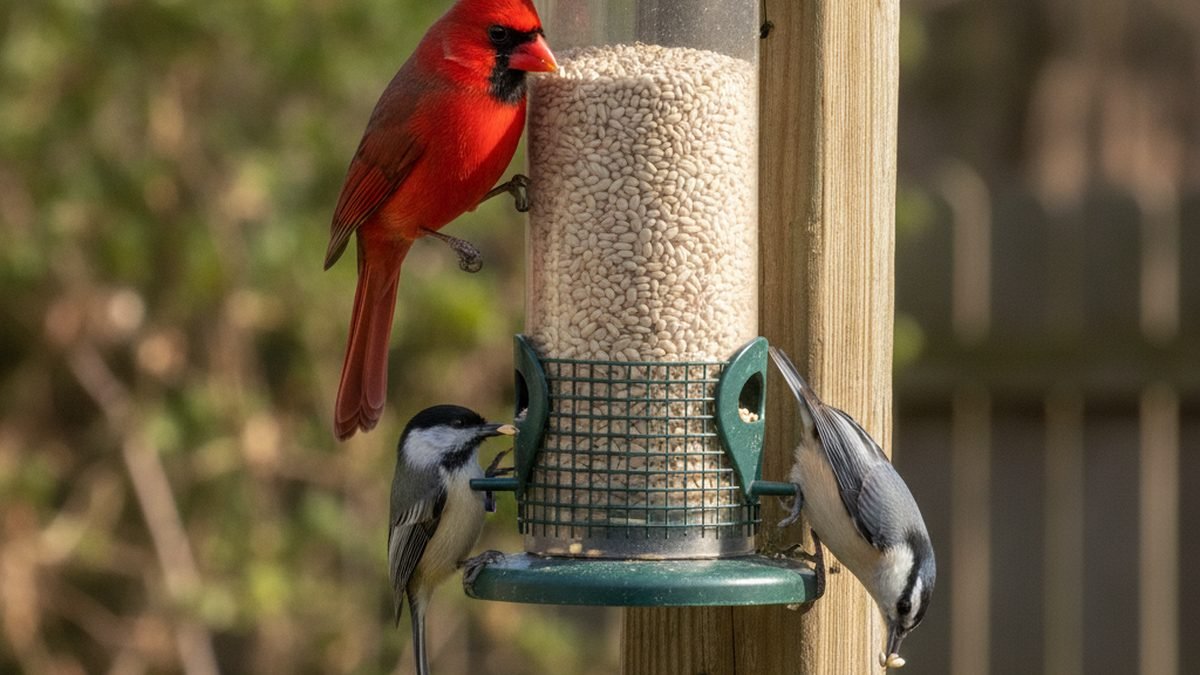
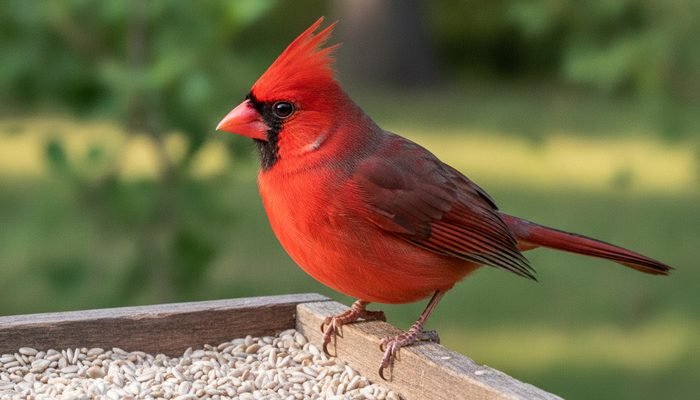
Cardinals are probably the biggest safflower fans out there. I see mine at the platform feeder working through safflower before they touch anything else nearby. Their thick beaks handle the tough shell with no trouble.
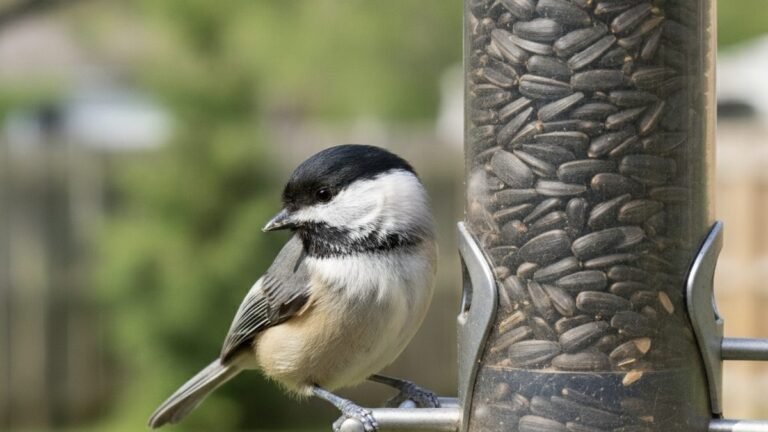
2. Black-capped Chickadee
Chickadees grab one seed at a time and fly off to crack it open on a branch. My maple tree near the feeders gets a steady stream of chickadees doing exactly this all day long.
3. White-breasted Nuthatch
Nuthatches wedge safflower into bark and hammer it open with their beak. They’re regulars at my feeders and safflower doesn’t slow them down a bit.
4. Tufted Titmouse
Titmice behave a lot like chickadees around safflower. They grab, stash, or eat on the spot, and they show up wherever chickadees do.
5. House Finch
House Finches eat safflower steadily, though not with quite the enthusiasm they show for sunflower seed. They’ll still work a feeder that’s stocked with it.
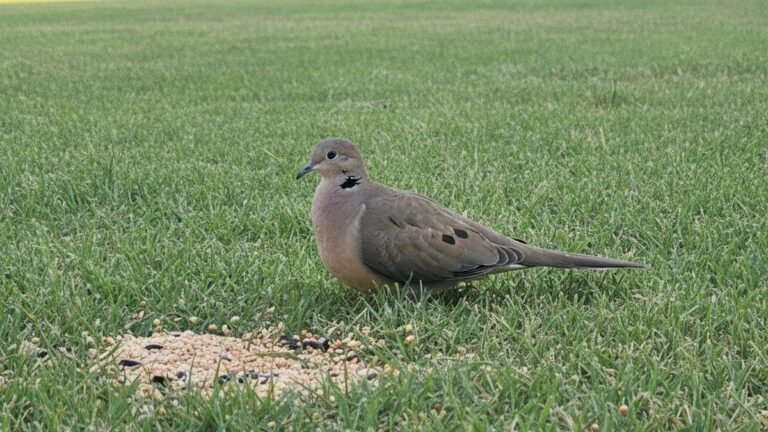
6. Mourning Dove
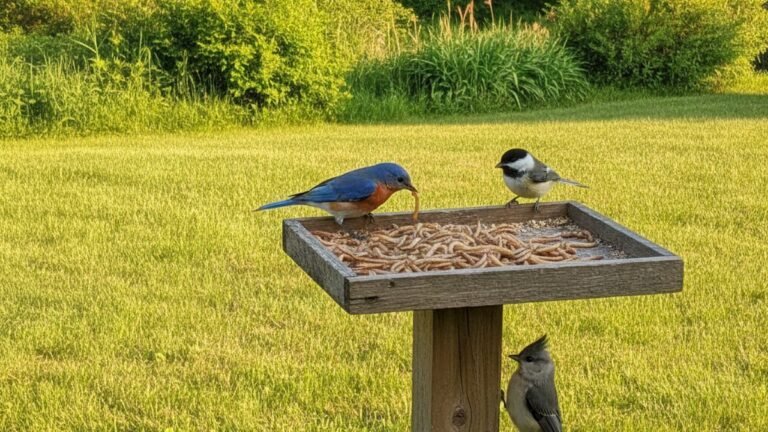
Doves prefer feeding on the ground or on platform feeders, and they’ll pick up dropped safflower seed without hesitation. I regularly see mourning doves cleaning up under my platform feeder.
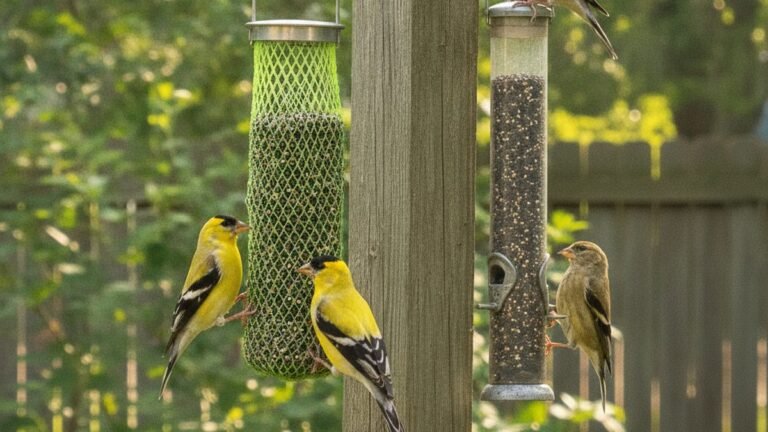
7. American Goldfinch
Goldfinches will eat safflower sometimes, but they usually go for nyjer first if it’s offered. My tube feeder holds nyjer for exactly this reason, and the goldfinches head there before touching the safflower tray.
8. Downy Woodpecker
Downy Woodpeckers will take safflower from a hopper or platform feeder, especially when suet is unavailable or the suet cage is being hogged by starlings.
9. Carolina Wren
Carolina Wrens aren’t picky eaters, and safflower shows up on their list of accepted feeder foods, particularly in the southern and eastern parts of their range.
10. Red-bellied Woodpecker
Red-bellied Woodpeckers will visit a hopper or platform feeder stocked with safflower, especially in areas where sunflower seed has drawn in too many squirrels.
For more on which seeds pull in the widest variety of species, my full bird seed guide breaks down the differences between blends.
Which Birds Ignore It
Not every bird is on board with safflower. Blue Jays generally avoid it or eat very little of it, which surprised me at first since jays eat almost anything else in my yard.
Starlings and grackles tend to skip safflower too, which is actually a nice side effect if those birds have been crowding out your regulars. House Sparrows are less consistent, some populations eat it and some avoid it.
Dark-eyed Juncos, who show up in my yard every winter scratching at the ground below the feeders, don’t show much interest in safflower either. They stick to smaller seeds like millet.
Why Squirrels Usually Skip It
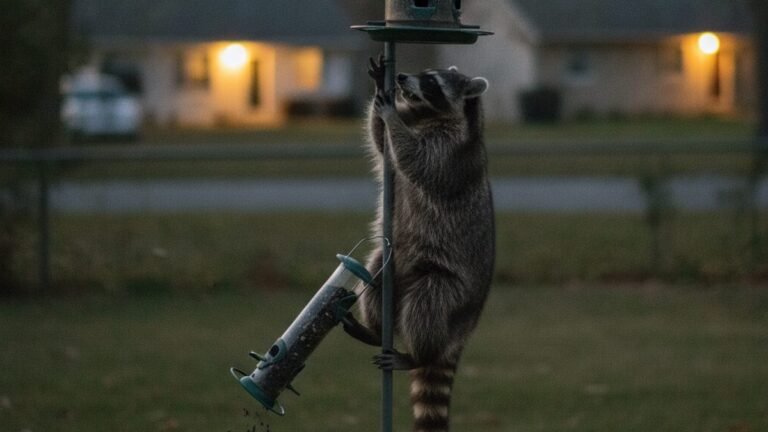
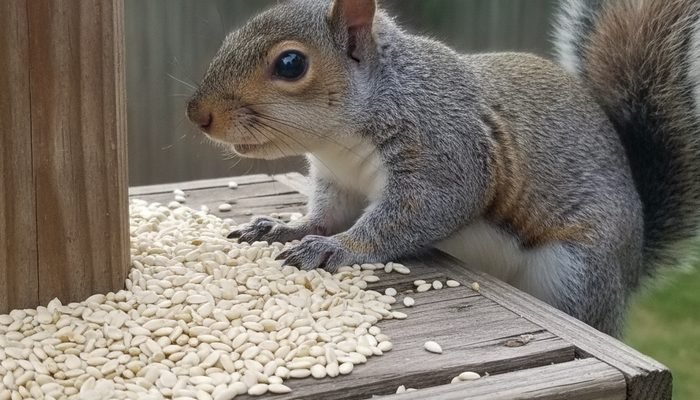
Squirrels rely heavily on taste and smell to decide what’s worth eating, and safflower’s bitter flavor turns most of them away. It’s not a guaranteed squirrel deterrent, some determined squirrels will eat it if nothing else is around, but it gives you far better odds than sunflower seed or corn.
I’ve found it works best as part of a bigger squirrel strategy rather than a total fix on its own. Pairing safflower with feeder placement and a baffle makes a real difference. My article on how to stop squirrels from raiding bird feeders covers the other pieces of that puzzle.
How to Offer Safflower Seed
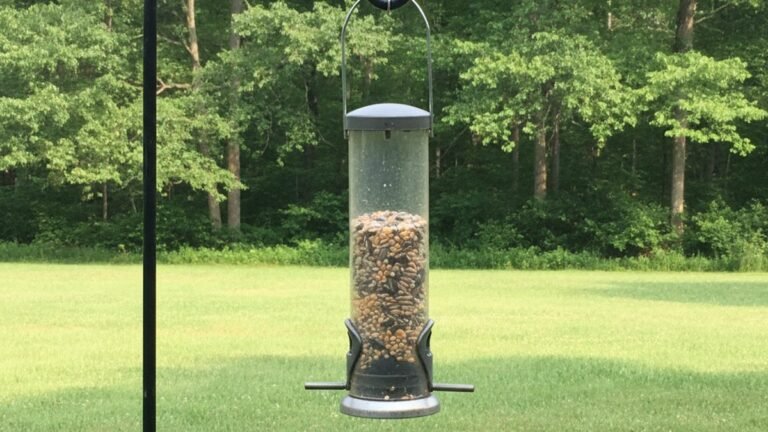
Safflower works well in a hopper feeder or on a platform feeder, since both give birds room to pick through the shells. I offer mine in my hopper feeder, mixed with sunflower seed at first to help hesitant birds get used to it.
Keep it dry. Safflower can mold in a wet feeder just like any other seed, so check it after heavy rain. A platform feeder with drainage holes helps a lot here.
If you’re just getting your feeding station set up, my guide on types of bird feeders can help you figure out which style fits your yard best.
Is Safflower Seed Worth Buying?
Safflower is worth buying if squirrels, starlings, or grackles have been taking over your feeders. It won’t clear them out completely, but it shifts the odds in favor of cardinals, chickadees, and other regulars.
The downside is cost. Safflower usually runs more per pound than sunflower seed, and some birds take a while to warm up to it. If your yard doesn’t have a squirrel or starling problem, plain sunflower seed will get you more visitors for less money.
My honest take: it’s a smart addition to a mixed feeding station, not a replacement for everything else. I keep it around as one option among several rather than the only seed in the yard.
Wrapping Up
Safflower seed is one of those simple swaps that can quietly change who shows up in your yard. Give it a few weeks, keep it dry, and don’t be surprised if your cardinals become its biggest fans. If squirrels are still a problem after that, it’s worth combining safflower with a baffle or feeder placement change for the best results.
Frequently Asked Questions
Do squirrels ever eat safflower seed?
Some squirrels will eat safflower if nothing else is available, especially young or very hungry ones. Most squirrels avoid it when given a choice, thanks to its bitter taste. It’s a strong deterrent, not a total guarantee, so pairing it with a baffle or squirrel-resistant feeder gives you better results.
Will cardinals really prefer safflower over sunflower seed?
Many cardinals show a strong preference for safflower, and it’s one of their favorite feeder foods according to Cornell Lab of Ornithology observations. In my own yard, cardinals head straight for the platform feeder whenever safflower is fresh, often before touching sunflower seed nearby.
Can I mix safflower seed with other bird seed?
Yes, mixing safflower with sunflower seed works well, especially when you’re first introducing it. Birds that already visit your feeder will get used to the new seed faster if it’s blended in rather than offered alone right away.
Why aren’t birds eating the safflower seed I put out?
It can take birds a couple weeks to notice and accept a new food. Try offering it in a feeder type they already trust, like a hopper or platform, and keep sunflower seed nearby until they adjust. Fresh, dry seed also makes a big difference in acceptance.