Why Aren’t Birds Coming to My Feeder? 7 Reasons
If you’re asking why arent birds coming to my feeder, the answer usually comes down to one of a few fixable problems: bad seed, bad placement, or too much competition from squirrels and predators. I’ve had stretches where my own feeders sat empty for days, and every single time it traced back to something on this list.
The good news is most of these fixes are free or cheap. You don’t need a new feeder. You just need to figure out which of these 7 things is scaring birds off or making your setup easy to ignore.
1. Your Seed Has Gone Bad or Was Never Good
Birds have sharp senses and they will not eat moldy, stale, or low-quality seed. If your feeder has sat full for two weeks with no visitors, check the seed first.
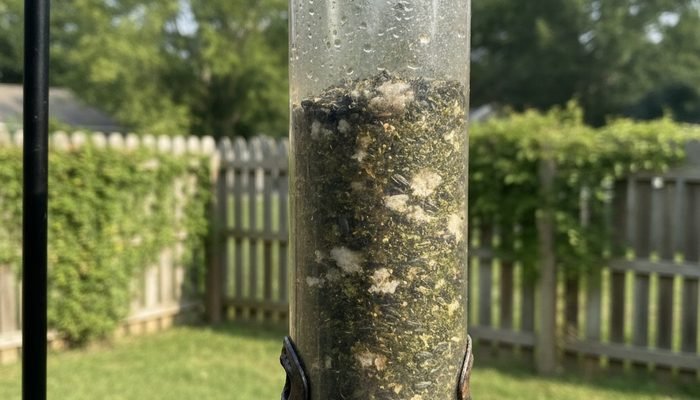
Wet seed clumps together and can grow mold, which is dangerous for birds. Cheap mixes loaded with milo, wheat, and red dyed pieces often get kicked out onto the ground because most songbirds just don’t want them. I’ve seen this happen with bargain mixes I picked up on sale. The birds picked around the filler and left most of it behind.
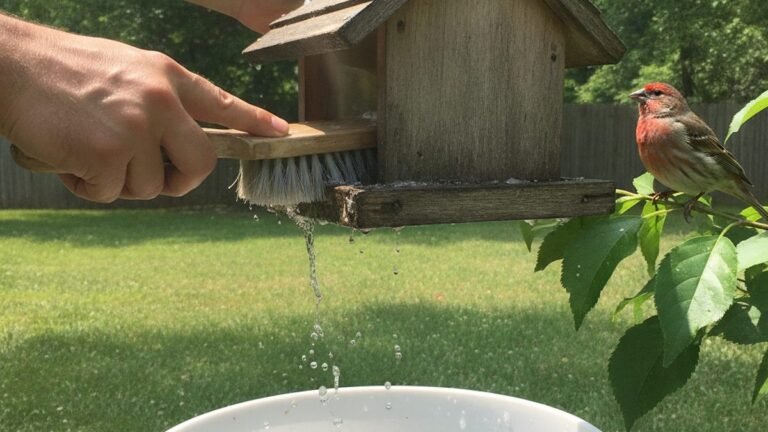
Fix: dump old seed, wash the feeder with a mild bleach solution (one part bleach to nine parts water), rinse well, and dry completely before refilling. Use a quality mix with sunflower seed as a main ingredient. our full guide to bird seed types breaks down which seeds actually get eaten.
2. The Feeder Is in the Wrong Spot
Placement matters more than most people think. Birds want quick access to cover so they can dodge hawks and cats. A feeder sitting alone in the middle of an open lawn feels exposed and risky to them.
At the same time, feeders placed too close to dense shrubs can hide waiting cats. I hang my feeders near a mature maple tree, close enough that birds can dart to a branch but not so close that a squirrel can leap straight from the trunk.
Also think about the window rule. Feeders should sit within 3 feet of a window or more than 30 feet away. Anything in between can cause fatal window strikes because birds get enough speed to hurt themselves but not enough distance to see the glass clearly. Cornell Lab of Ornithology backs this 3/30 guidance. For more on this, see our guide to feeder placement.
3. It’s a New Feeder and Birds Haven’t Found It Yet
Birds are creatures of habit. They memorize reliable food spots and check them daily. A brand new feeder is invisible to them until word gets around, so to speak.
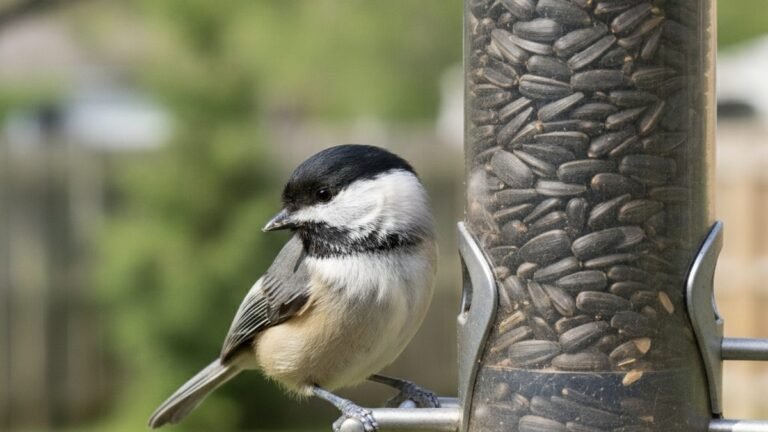
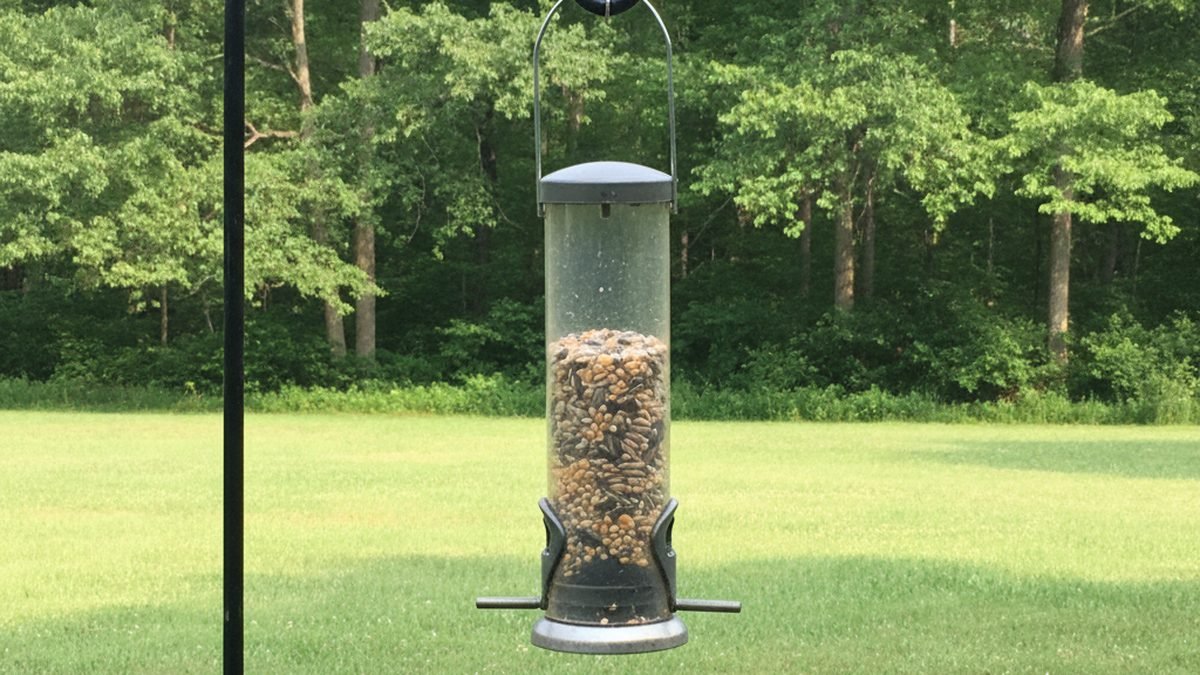
In my experience it usually takes a few days to two weeks for a new feeder to get discovered, especially if it’s a style birds haven’t seen before, like a tube feeder versus a hopper. Chickadees and nuthatches are often the first scouts. Once they find it, other species tend to follow.
Fix: be patient. Keep the feeder full and in the same spot. Moving it around during this early window just resets the clock.
4. Squirrels or Other Critters Are Scaring Birds Off
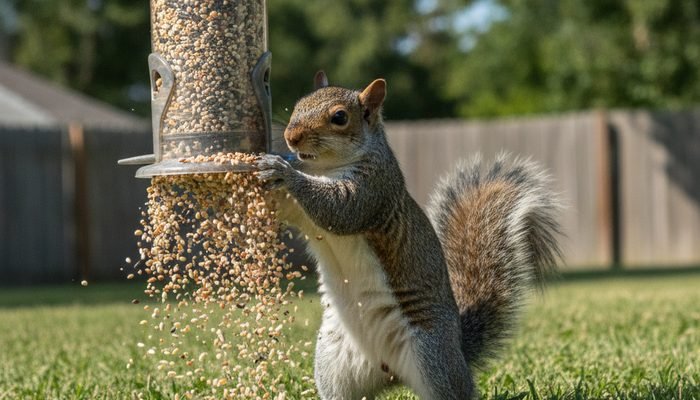
A squirrel hogging the feeder, swinging it wildly, or scattering seed everywhere makes birds nervous and less likely to land. Aggressive squirrel activity is one of the most common complaints I hear from other backyard feeders.
Raccoons, chipmunks, and even stray cats lurking nearby can have the same effect. Birds notice predators and competitors long before we do.
Fix: add a baffle below or above the feeder, move it further from jump points like fences and low branches, or switch to a squirrel-resistant feeder design. Our post on keeping squirrels away from bird feeders covers several methods that actually hold up.
5. You Made a Common Beginner Mistake
Sometimes the issue isn’t the birds or the wildlife, it’s the setup itself. Common mistakes include hanging the feeder too high to notice from a distance, using a perch style that’s too small for bigger birds like jays and doves, or putting out food that doesn’t match what’s actually in your area.
Pesticide use on the lawn nearby can also drive birds off, since it reduces the insects many species rely on alongside seed. Chemical smells and disturbed ground make birds cautious too.
I’ve made a few of these mistakes myself over the years. Our rundown of common bird feeding mistakes covers the full list if you want to check your setup against it.
6. It’s the Wrong Season for Heavy Feeder Activity
Bird activity at feeders naturally rises and falls with the seasons. In mid-summer, natural food is everywhere. Insects are hatching, berries are ripening, and wild seed heads are forming. Birds don’t need your feeder as much right now.
Project FeederWatch data consistently shows feeder visits dip in summer and climb again in fall and winter when natural food gets scarce. Nesting parents also spend more time hunting insects for their chicks instead of visiting feeders during breeding season.
This is completely normal. Keep feeders clean and stocked, and traffic should pick back up as summer winds down.
7. Something Recently Scared Them Off
A hawk attack, a loud construction crew, fireworks, or even a new outdoor cat can make birds avoid a yard for days or longer. Birds remember danger and they are not shy about relocating their daily routine.
I’ve noticed my own feeders go quiet for a day or two after a Cooper’s hawk swoops through the yard. It’s unsettling, but it’s a normal part of the food chain, and traffic usually comes back once the birds decide the coast is clear.
If you suspect a scare event, just wait it out. Refilling constantly or moving the feeder won’t speed up their comfort level.
What NOT to Do
Don’t dump fresh seed on top of old, stale seed. That just masks the problem instead of fixing it.
Don’t move the feeder every few days looking for a magic spot. Constant relocation resets the discovery process and confuses birds who were starting to learn the location.
Don’t use bread, salty table scraps, or spoiled leftovers to try to lure birds in faster. Bread offers little nutrition and can attract rodents instead. Our article on whether birds can eat bread explains why it’s not a good substitute for real bird seed.
Don’t ignore mold or wet seed because it’s inconvenient to clean. That’s often the single biggest reason birds stay away.
Wrapping Up
Most quiet feeders come back to life once you fix one small thing, whether that’s tossing old seed, adding a baffle, or just giving a new feeder time to get noticed. I’ve dealt with every reason on this list in my own yard at some point. Work through them one at a time, and don’t be afraid to wait a few days before changing anything else. Birds are creatures of habit, and once they find a reliable, clean food source, they tend to stick around.
Frequently Asked Questions
How long does it take for birds to find a new feeder?
It usually takes anywhere from a few days to two weeks. Chickadees and nuthatches are often the first to discover a new feeder, and other species tend to follow once they see activity. Keeping the feeder full and in the same spot speeds this up.
Why did birds stop coming to my feeder suddenly?
A sudden stop usually means a scare event like a hawk attack, a new outdoor cat, or loud yard work nearby. It can also mean the seed went bad or a squirrel has taken over. Check the seed and surroundings first, then give it a few days.
Does the weather affect feeder activity?
Yes. In summer, natural food like insects and berries is abundant, so feeder visits often drop. Project FeederWatch data shows this pattern every year. Activity typically increases again in fall and winter when natural food sources become scarce.
What is the best seed to attract the most birds?
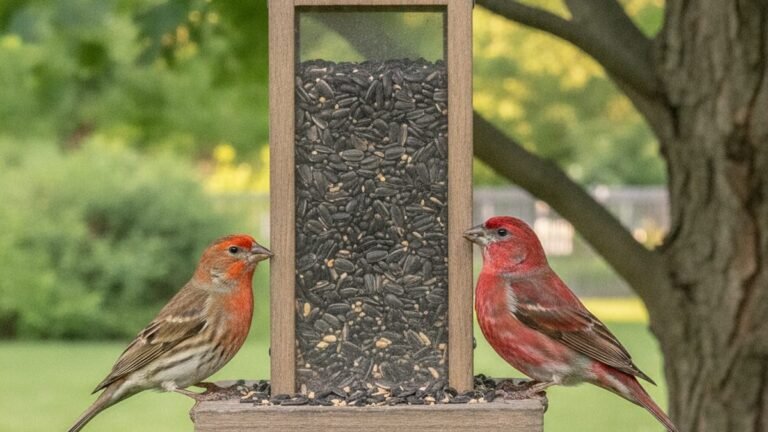
Black-oil sunflower seed attracts the widest variety of backyard birds, including cardinals, chickadees, and finches. Avoid cheap mixes filled with milo and wheat, since most songbirds pick around those and waste them.