Raccoons at Your Bird Feeder? Here’s How to Stop Them
If you want to know how to keep raccoons away from bird feeders, the short answer is this: make the feeder hard to climb, hard to reach, and empty at night. Raccoons are smart and strong, so you need a few layers of defense working together.
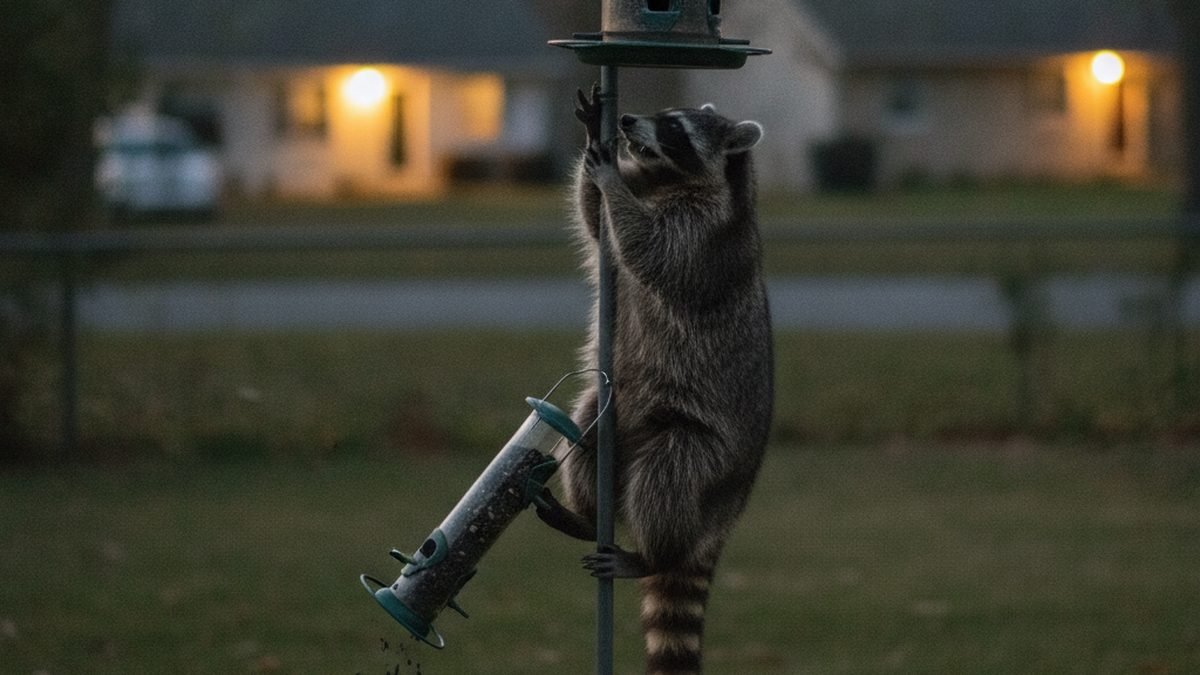
I’ve dealt with plenty of nighttime visitors at my own feeders over the years. Raccoons are some of the toughest to outsmart because they can climb almost anything and they have hands that work like ours. Once they figure out your feeder has food, they remember it and come back.
This guide walks through the most common reasons raccoons keep showing up, starting with the biggest culprits, and gives you fixes that actually hold up.
1. Your Feeder Pole Doesn’t Have a Baffle (Or Has the Wrong One)
This is the number one reason raccoons get to feeders. A bare metal or wood pole is basically a ladder to them. Raccoons can climb smooth poles more easily than you’d think, especially if the pole is thin enough to grip.
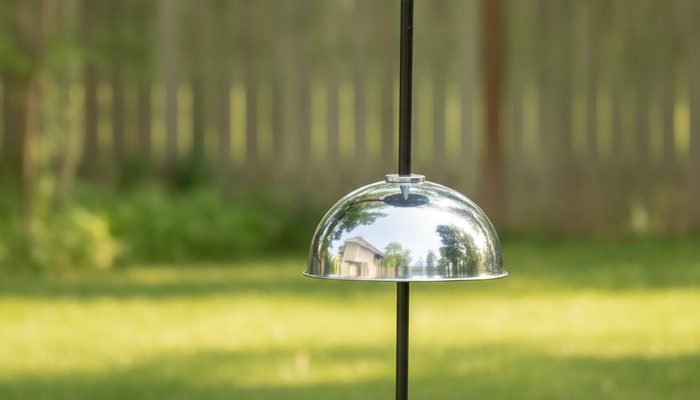
The fix is a proper baffle. You want a dome or cone-shaped baffle mounted on the pole below the feeder, at least 4 to 5 feet off the ground. Stovepipe baffles (long cylinder style) work well too, especially for raccoons since they can’t get a grip on the smooth curved metal.
Skip the small plastic dome baffles marketed mainly for squirrels. Raccoons are bigger and heavier, and some will just push past a lightweight baffle or climb around it. Look for a baffle rated for raccoon weight, which usually means metal construction and a wider diameter.
2. The Feeder Is Too Close to a Launch Point
Raccoons don’t need to climb the pole at all if they can jump from somewhere nearby. Deck railings, fences, low tree branches, and even garbage cans can all work as a launch pad.
Cornell Lab of Ornithology recommends keeping feeders at least 10 feet away from anything a climbing mammal could jump from, including tree trunks and branches. My own feeders hang near a mature maple tree, about 10 feet out from the trunk, which keeps them out of easy jumping range even though the tree itself is close by.
Walk your yard at dusk and look at your feeder setup from a raccoon’s point of view. Anything within a few feet that a raccoon could scramble up and leap from is a problem.
3. You’re Feeding Right Before Dark
Raccoons are nocturnal, so they do almost all their feeder raiding after sunset. If you fill feeders in the evening, you’re basically ringing a dinner bell.
Try bringing feeders in at dusk and putting them back out at dawn. I know that’s not realistic for everyone, especially with a busy schedule, but even doing this for platform and hopper feeders (the easiest styles for raccoons to raid) cuts down on visits fast.
If daily removal isn’t practical, at least stop topping off feeders late in the day. An empty or nearly empty feeder overnight is a lot less interesting to a hungry raccoon.
4. Spilled Seed Is Feeding Them From the Ground
Even if your feeder itself is raccoon-proof, spilled seed on the ground is an easy meal. Raccoons will happily clean up what falls from a hopper or tube feeder, and that habit keeps them coming back to the area night after night.
Sweep or rake under feeders regularly, especially in the evening. A seed catcher tray under the feeder helps a lot, since it keeps the mess contained and easy to dump before dark. seed and feeder cleanup habits
This is also good general feeder hygiene. Old wet seed on the ground can grow mold, which is bad news for the birds you’re actually trying to attract.
5. Your Feeder Type Makes It Too Easy
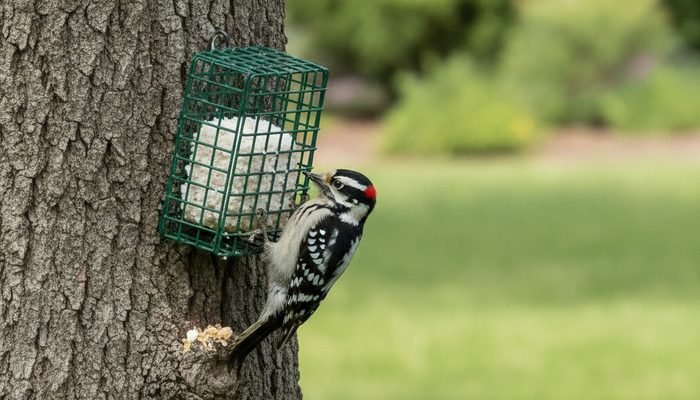
Platform feeders and open hopper feeders are the easiest targets. There’s nothing for a raccoon to fight through, just an open tray of food. Suet cages mounted low are another easy grab.
Tube feeders with weighted perches or cages around them are much harder for raccoons to work with. My tube feeder holds nyjer seed for the goldfinches, and it hangs high enough on its own pole that it’s never been an issue.
If raccoons keep hitting a platform feeder, consider switching that spot to a caged tube feeder instead, or only stock the platform feeder with small amounts during the day.
6. Trash and Pet Food Nearby Are Drawing Them Into the Yard
Sometimes the feeder isn’t even the main attraction. If your trash cans don’t have secure lids, or you leave pet food or a bowl of water out overnight, raccoons are coming for that too, and your feeder is just a bonus stop.
Store trash in cans with locking lids and bring pet food inside at night. Even a birdbath can be a draw since raccoons need water too. A pedestal birdbath is easy for them to reach, so it helps to dump it out in the evening during raccoon season.
Cutting off these other food and water sources makes your feeder area a lot less appealing overall.
What NOT to Do
Don’t use petroleum jelly, grease, or oil on poles. It seems like a cheap trick, but it makes a mess, can get onto bird feathers, and raccoons often just wipe it off or climb around it anyway.
Don’t rely on motion-activated lights or sprinklers alone. They can help short term, but raccoons are smart enough to get used to them within a few nights.
Don’t try to trap and relocate raccoons yourself. In most states this requires a permit, and relocated raccoons often don’t survive well in unfamiliar territory. Check with your state wildlife agency or Audubon Society chapter if you have a persistent problem and need guidance on legal options.
Don’t leave feeders full and unprotected and just hope the problem goes away. Raccoons have excellent memories for food sources, and they’ll keep testing the same spot for weeks. choosing the right seed for your feeder
Wrapping Up
Raccoons are patient and clever, so don’t expect one fix to solve everything overnight. Stack a few of these changes together, a good baffle, smart placement, and cleaning up spilled seed, and you’ll see a real difference within a week or two. It takes some trial and error, but keeping the food source predictable and hard to reach is what finally gets raccoons to move on to easier pickings elsewhere.
Frequently Asked Questions
Will a raccoon baffle also stop squirrels?
Many baffles work on both, but not all. A baffle sized and rated for raccoons is usually large and sturdy enough to stop squirrels too. Check the weight rating on the product. If it only lists squirrel weights, a determined raccoon may still push through or climb around it.
Do raccoons actually eat birdseed?
Yes. Raccoons are opportunistic omnivores and will eat birdseed, suet, and spilled seed on the ground. Cornell Lab of Ornithology notes that raccoons are one of the more common nighttime visitors at feeders, especially where feeders are easy to reach or seed is left out overnight.
How high should I hang a bird feeder to keep raccoons out?
Aim for at least 5 feet off the ground on a baffled pole, with the baffle placed below the feeder at 4 to 5 feet high. Combine height with distance from trees, fences, and other launch points for the best results, since height alone won’t stop a raccoon that can jump or climb nearby structures.
Are raccoons dangerous to have near bird feeders?
Raccoons can carry rabies and other diseases, so it’s best not to approach or handle them. They’re generally not aggressive toward people if left alone. The bigger concern for most backyard bird feeding setups is repeated feeder damage and scaring off the birds you’re trying to attract.