How to Attract Mourning Doves to Your Yard
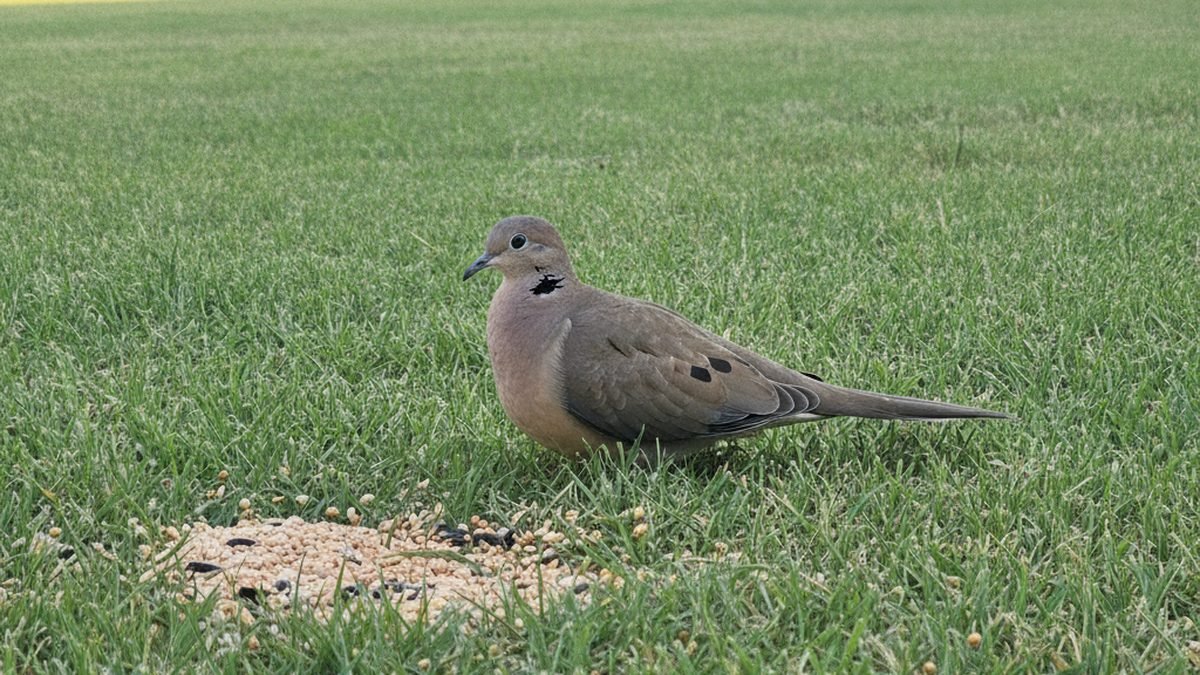
If you want to know how to attract mourning doves, start with open ground space and scattered seed. These gentle, plump birds feed mostly on the ground and prefer wide open spots where they can see danger coming from any direction.
I get a small flock of mourning doves most mornings at my platform feeder. They show up quiet and steady, almost like they’re on a schedule. Once you learn what they like, they’re one of the easier backyard birds to keep around.
What Mourning Doves Eat
Mourning doves are seed eaters almost exclusively. According to the Cornell Lab of Ornithology, their diet is nearly all seeds, and they can eat a huge amount in one sitting since they store food in a part of their throat called the crop.
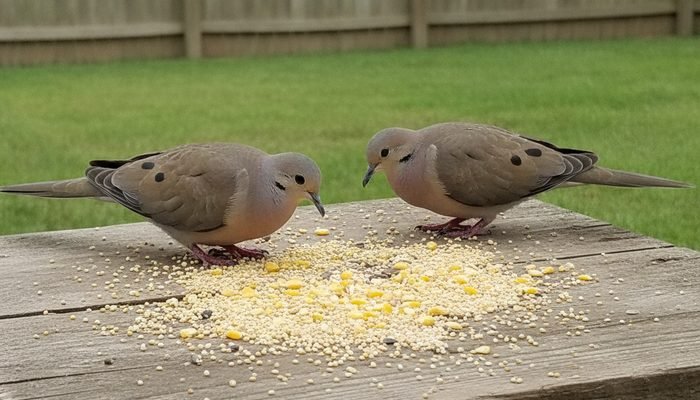
They go for small seeds more than big chunky ones. Millet is a top favorite. Cracked corn, black-oil sunflower seed, and milo also get eaten fast. If you already put out a basic mixed seed for other birds, there’s a good chance doves are already cleaning up the millet other birds toss aside.
For more on which seeds pull in which birds, my bird seed guide breaks it down by species.
Best Feeder Type for Mourning Doves
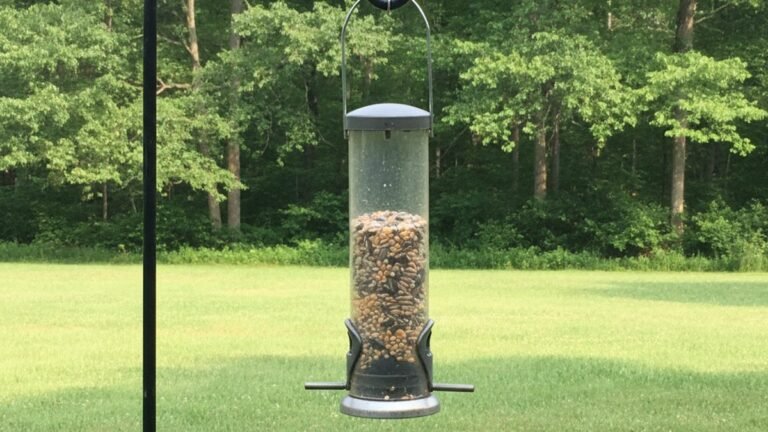
Mourning doves are ground and platform feeders by nature. They rarely cling to a hanging tube feeder or perch on a small hopper tray. Their feet and body shape work better on a flat, stable surface.
A platform feeder is your best bet. Mine sits low and wide, and it’s the one feeder where I see the most dove activity by far. Scattering seed directly on the ground works too, as long as the area stays fairly dry and isn’t right next to heavy cover where a cat could hide.
If you’re setting up feeders for the first time, my guide on types of bird feeders covers which style fits which bird.
Where to Place the Feeder
Doves like open sight lines. They’re not big fans of tight, enclosed spaces where a hawk or cat could sneak up. Put your platform or ground seed in an open part of the yard, not tucked into a corner.
Keep some distance from thick shrubs at ground level, but a nearby tree or two for quick escape is a plus. My feeders hang near a mature maple about 10 feet from the trunk, and the doves use that tree as a lookout spot before dropping down to feed.
Also think about windows. Doves fly low and fast, so any feeder area should follow the 3/30 rule, either within 3 feet of a window or more than 30 feet away, to lower the risk of collisions. My setup is well past 30 feet from the house. If you’ve had crash problems before, check out how to stop birds flying into windows.
Give Them Water and Grit Too
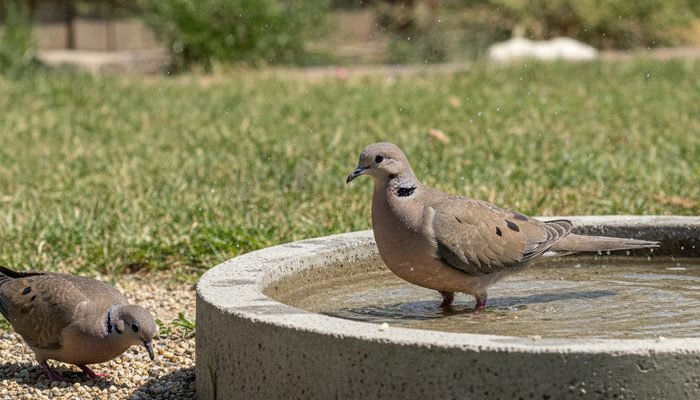
Mourning doves drink often and need a steady water source, especially in hot weather. A shallow birdbath works well since doves prefer wading in rather than perching on a narrow rim.
They also swallow small bits of grit and sand to help grind up seeds in their crop. A bare patch of ground or a low gravel area near the feeding zone can help with this. It’s a small detail most people never think about, but it matters to these birds.
How Long It Takes
Mourning doves are creatures of habit once they find a reliable spot. In my experience, it usually takes one to two weeks of steady feeding before they start showing up regularly.
They tend to feed early morning and again in late afternoon. If you don’t see them right away, don’t move the feeder around too much. Doves like consistency, and a feeder that keeps changing spots just confuses them.
If weeks go by with nothing, it might not be a dove-specific problem. My post on why aren’t birds coming to my feeder covers the more common reasons feeders sit empty.
Wrapping Up
Mourning doves are pretty easy guests once you give them what they want: open space, a low platform or bare ground, and steady millet or cracked corn. Be patient the first couple weeks and keep the feeding spot consistent. Once a pair settles into your yard’s routine, you’ll likely see them coming back every single day.
Frequently Asked Questions
What is the best food to attract mourning doves?
Millet is the top choice. White proso millet especially gets eaten fast. Cracked corn and black-oil sunflower seed also work well. Scatter it on a platform feeder or a clean patch of ground for best results.
Do mourning doves prefer ground feeding or feeders?
They prefer ground feeding or a low, flat platform feeder. Their body shape and feet aren’t built for gripping small perches on tube or hopper feeders, so open, stable surfaces work much better.
Will mourning doves scare away other birds?
Not usually. Mourning doves are calm and generally peaceful around other feeder visitors. They may nudge smaller birds aside while feeding, but real conflicts are rare. They’re more likely to get spooked themselves and fly off.
Why do mourning doves visit my yard in pairs?
Mourning doves often form long-term pairs and feed together during breeding season. According to the Cornell Lab of Ornithology, they can raise several broods a year, so seeing the same pair repeatedly in your yard is common.