How to Attract Cardinals to Your Backyard (7 Proven Tips)
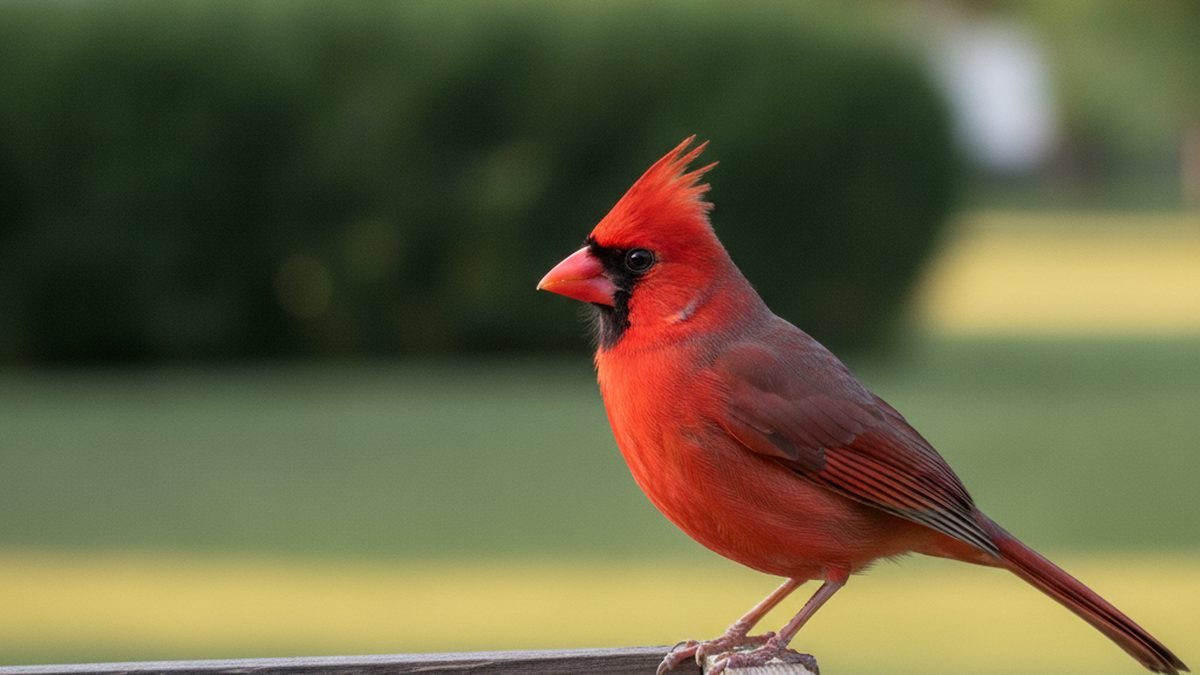
If you want to know how to attract cardinals, the short answer is this: offer sunflower seed in a sturdy feeder, keep some brushy cover nearby, and be patient. Cardinals are creatures of habit once they find a reliable food source.
I’ve had Northern Cardinals visiting my yard for years now. They’re some of the first birds I see at first light and some of the last before dark. Below are the 7 things that made the biggest difference for me, based on what actually works and what Cornell Lab of Ornithology says about cardinal habits.
1. Offer the Right Food (Sunflower Seed and Safflower)
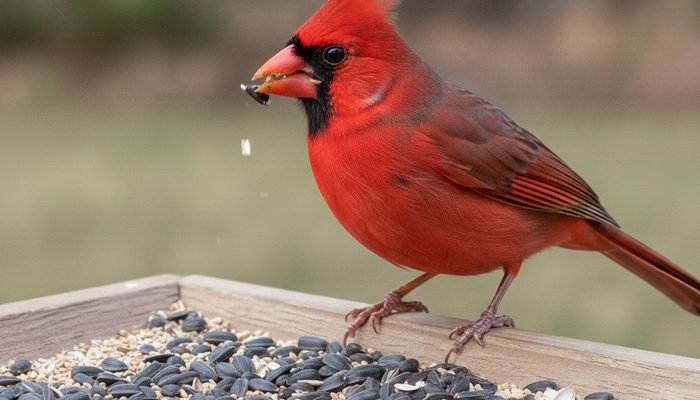
Cardinals love black oil sunflower seed. It has a thin shell and a high fat content, which is perfect for a bird with a thick, strong beak built for cracking seed.
Safflower seed is another great option. Cardinals eat it happily, but squirrels and some other visitors tend to leave it alone. That makes it a smart pick if squirrels have been raiding your feeders. For more on what different birds actually prefer, my bird seed guide breaks it down by species.
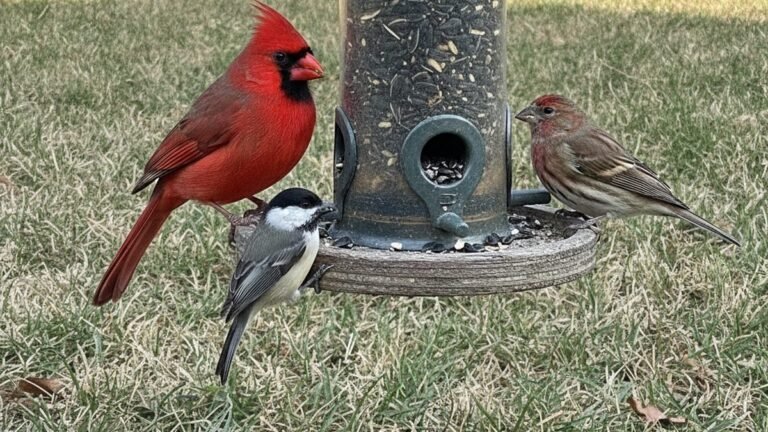
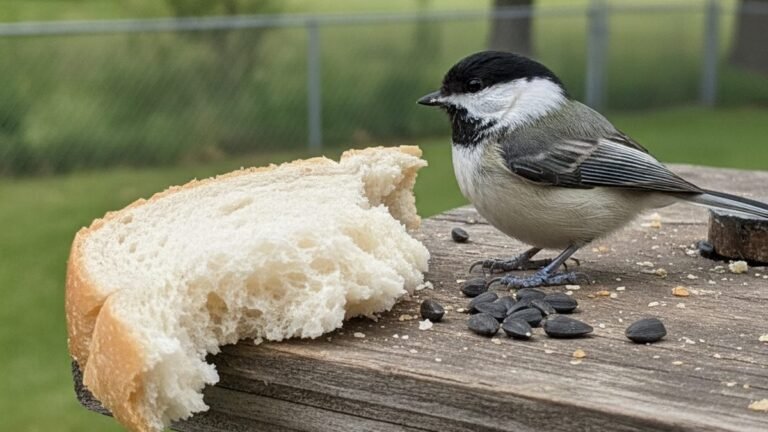
I keep sunflower seed in my hopper feeder year-round. It draws cardinals, House Finches, and Black-capped Chickadees all at once.
2. Use a Platform or Hopper Feeder
Cardinals are bigger and bulkier than chickadees or goldfinches. They don’t cling well to small tube feeders. They much prefer a flat surface where they can perch comfortably.
A platform feeder or a hopper feeder with a wide tray works best. My platform feeder gets more cardinal visits than any other feeder I own. They’ll sit there for a minute or two, which is longer than most small songbirds stick around.
If you’re not sure which feeder style fits your yard, check out this guide to feeder types before you buy one.
3. Feed on the Ground Too
Cardinals are natural ground feeders. In the wild, they hop around under shrubs and low branches looking for seed and insects on the ground.
Scatter a little seed under your feeders or use a low platform feeder close to the ground. I’ve watched cardinals ignore a hanging feeder completely, then walk right up to seed scattered on the grass below it.
Just don’t overdo it. Wet, moldy seed on the ground can make birds sick, so only scatter what will get eaten in a day or two.
4. Plant or Keep Dense Shrubs Nearby
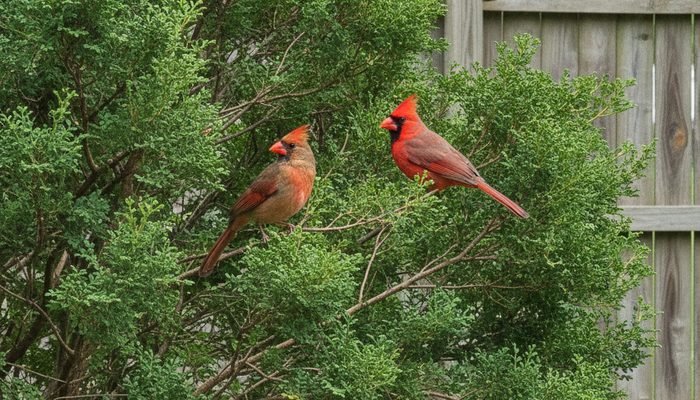
Cardinals feel safest with cover close by. Dense shrubs, hedges, or low tree branches give them a place to dart into when a hawk or a neighborhood cat shows up.
My feeders hang near a mature maple tree, and I think that’s part of why cardinals stick around my yard. They’ll often perch in the lower branches and survey the feeders before committing to a landing.
If your yard is wide open with no shrubs, cardinals may pass through but won’t stay long. Native shrubs like dogwood or viburnum work well and also produce berries cardinals eat in fall and winter.
5. Add Water
A birdbath gives cardinals a place to drink and bathe, and it can pull in birds that might otherwise skip your yard entirely.
I’ve watched cardinals use my pedestal birdbath more in summer than almost any other visitor. Keep the water shallow (2 to 3 inches) and change it every couple of days so it stays fresh, especially in hot weather.
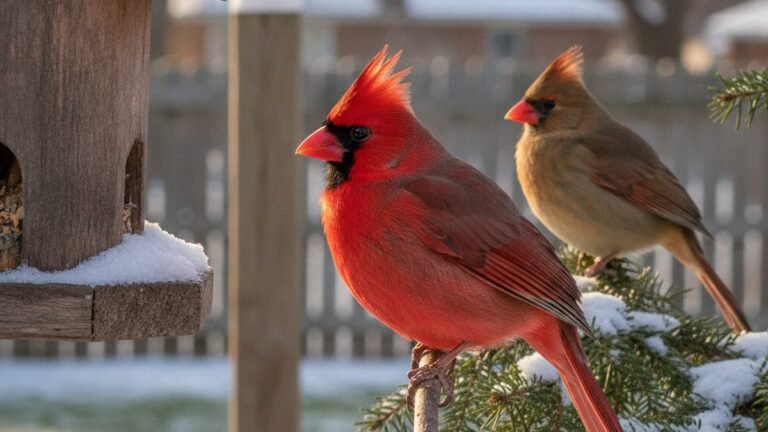
In winter, a heated birdbath can keep cardinals coming even when everything else is frozen over.
6. Feed Early and Late in the Day
Cardinals are most active right at dawn and again in the last hour before dark. This matches their natural feeding rhythm.
If your feeders are empty during those windows, you’ll miss most of your cardinal traffic. I try to fill my feeders the night before or first thing in the morning so seed is ready when they show up.
This one small habit made a noticeable difference in how many cardinals I saw at my own feeders.
7. Be Patient and Consistent
Cardinals don’t move fast when it comes to trying new feeders or food. Audubon Society notes that cardinals often take longer than other backyard birds to trust a new food source.
Keep your feeders filled consistently for a few weeks before deciding it isn’t working. If you’re still striking out, my article on why birds aren’t coming to your feeder covers common reasons birds skip a yard entirely.
Once a pair of cardinals decides your yard is safe and reliable, they tend to stick around and even raise young nearby.
How Long It Takes
In my experience, and based on patterns other feeder watchers report through Project FeederWatch, cardinals can show up within days if there’s already a population nearby. But building a steady, reliable visit pattern usually takes a few weeks of consistent feeding.
Location matters a lot here. If cardinals already live in your area, you’re just giving them a reason to stop by. If you’re on the edge of their range, it may take longer, or you may see them only seasonally.
Wrapping Up
Cardinals are creatures of habit, so the key is giving them the same reliable setup day after day. Stick with sunflower seed, a flat feeder, some nearby cover, and a little patience. Once a pair settles into your yard, they’ll likely stay close all year, which makes all that seed money feel well spent.
Frequently Asked Questions
What food attracts cardinals the fastest?
Black oil sunflower seed is the fastest way to get cardinals interested. It’s high in fat, easy for them to crack open, and widely preferred over mixed birdseed with fillers like milo or wheat.
Do cardinals prefer hanging feeders or platform feeders?
Cardinals strongly prefer platform or hopper feeders with a flat surface to perch on. Their larger body size makes small tube feeders and clingy perches awkward for them to use comfortably.
Why don’t I have any cardinals at my feeder?
Usually it’s a food or cover issue. Cardinals need sunflower seed or safflower, a sturdy perch, and nearby shrubs for safety. If your yard is very open or you’re only offering mixed seed, cardinals may pass it by.
Can I attract cardinals in winter?
Yes. Cardinals stay in their territory year-round and rely on feeders more heavily when natural food is scarce. Keeping feeders full and offering a heated birdbath can make your yard a reliable winter stop for them.