The 8 Most Common Bird Feeding Mistakes Beginners Make
The most common bird feeding mistakes beginners make are putting up the wrong feeder for their yard, using cheap seed birds won’t eat, and forgetting to clean feeders regularly. These mistakes are easy to fix once you know what to look for.
I’ve been feeding birds in my backyard for over 12 years now, and I made most of these mistakes myself early on. I once filled a brand new tube feeder with a cheap seed mix and wondered for two weeks why nothing showed up. Turns out the birds were just as unimpressed with it as I eventually was.
Let’s go through the eight mistakes I see beginners make most often, and how to fix each one.
1. Using the Wrong Seed for Your Feeder and Yard
Cheap birdseed mixes are often loaded with filler like milo, wheat, and cracked corn. Most backyard birds pick around these and toss them on the ground. That wasted seed attracts mice and can mold when it gets wet.
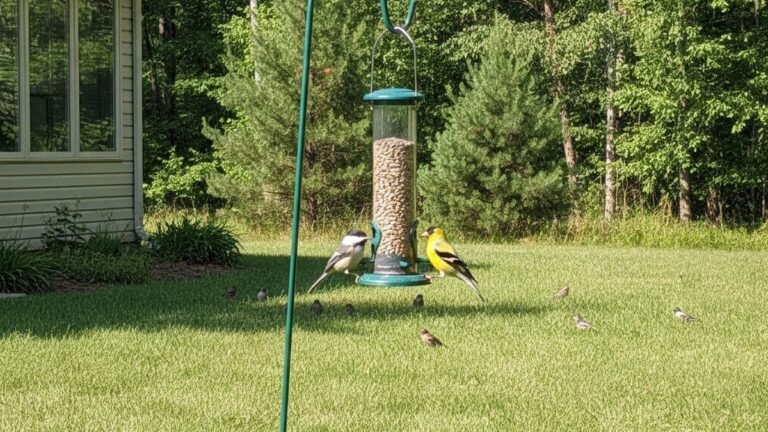
Black-oil sunflower seed is the closest thing to a universal favorite. Cardinals, chickadees, nuthatches, and finches all go for it. If you want goldfinches specifically, nyjer seed in a tube feeder is the way to go. My tube feeder is filled with nyjer, and it’s the one the goldfinches visit most.
For a full breakdown of what different birds actually prefer, check out this guide on what seed attracts which birds.
2. Hanging the Feeder in the Wrong Spot
Feeder placement affects both how many birds show up and how safe they are. A feeder stuck in the middle of an open lawn feels exposed to birds. They want nearby cover to dart into if a hawk shows up.
My feeders hang near a mature maple tree, about 10 feet from the trunk. That gives the birds a close branch to land on before hopping down to feed, and somewhere to retreat if a Blue Jay comes through stirring up trouble.
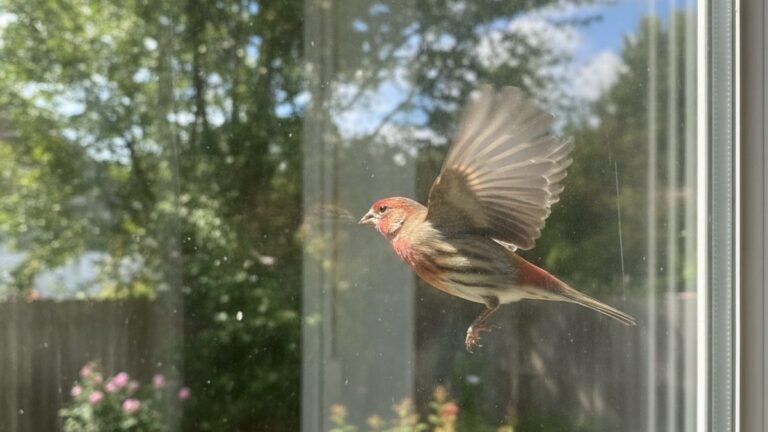
Window placement matters too. The Cornell Lab of Ornithology and the Audubon Society both point to what’s called the 3/30 rule. Keep feeders within 3 feet of a window, or more than 30 feet away. Anything in between gives birds enough speed to hurt themselves in a collision but not enough distance to see the glass clearly. I watch my feeders from the kitchen window, and they’re well past that 30 foot mark. For more on this, see where to place a bird feeder and how to stop birds flying into windows.
3. Letting Seed and Feeders Get Wet or Moldy
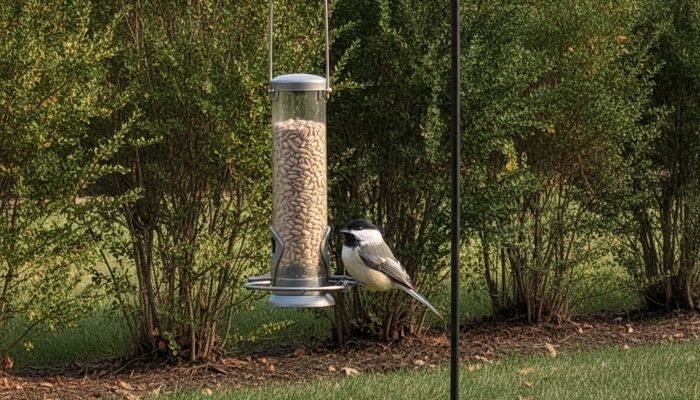
Wet seed clumps up and grows mold fast, especially in humid summer weather. Moldy seed can make birds sick. I check my feeders after every rain and scoop out anything that looks clumped or dark.
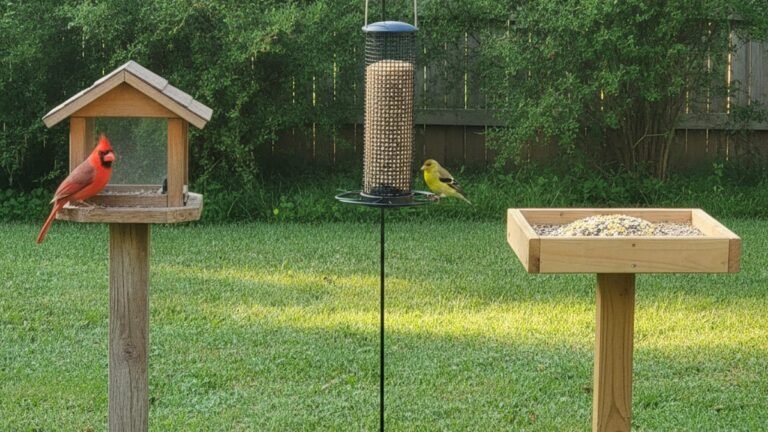
A feeder with a solid roof or dome helps a lot. If you’re using a platform feeder like mine, only fill it with what the birds will eat in a day or two, since it has no cover at all.
4. Skipping Feeder Cleaning
This one’s easy to forget, but it matters more than most beginners realize. Feeders can spread diseases like salmonellosis and conjunctivitis between birds when droppings and old seed build up. Project FeederWatch recommends regular cleaning as one of the simplest ways to keep a feeding station healthy.
I clean my hopper feeder, tube feeder, suet cage, and platform feeder every couple of weeks with a diluted bleach solution (about one part bleach to nine parts water), then let everything dry fully before refilling. In summer heat, I bump that up to weekly since seed spoils faster.
5. Expecting Birds Overnight
New feeders don’t usually get visitors right away. Birds need time to notice the feeder and decide it’s safe. It took about three weeks before I saw my first chickadee at a brand new feeder, and that felt like a long three weeks.
If it’s been a month with no activity, something else is likely off, like seed choice or placement. My article on why birds aren’t coming to your feeder walks through the most common causes.
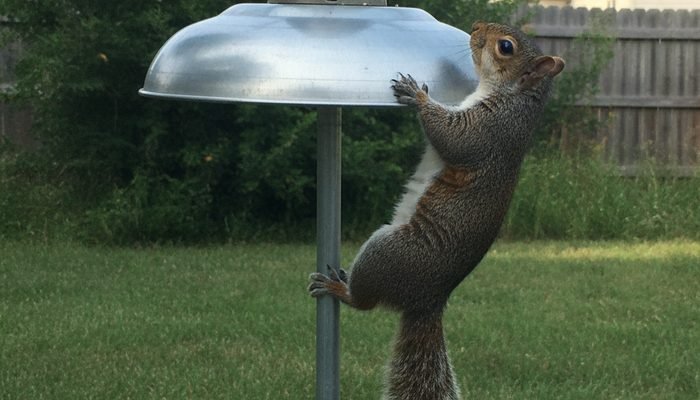
6. Ignoring Squirrels Until They Take Over
Squirrels will empty a feeder in a day if you let them. Beginners often don’t plan for this until it’s already a problem. Baffles, pole-mounted feeders away from jumping distance, and squirrel-resistant feeder designs all help before things get out of hand.
I’ve dealt with plenty of squirrel raids over the years near my maple tree. If you want a full rundown of what actually works, see how to stop squirrels raiding your feeders.
7. Putting Out Bread or Other Unhealthy Scraps
Bread is a classic beginner move, and it’s one of the most persistent bird feeding myths out there. It fills birds up without giving them much nutrition, and it can go moldy fast on a platform feeder.
Stick to real bird food like sunflower seed, suet, nyjer, and cracked corn in moderation. If you want the full explanation of why bread isn’t a good choice, read can birds eat bread.
8. Setting Up Only One Type of Feeder
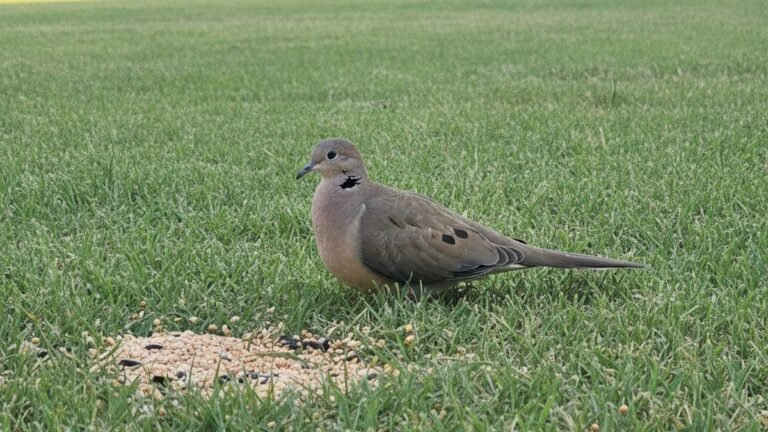
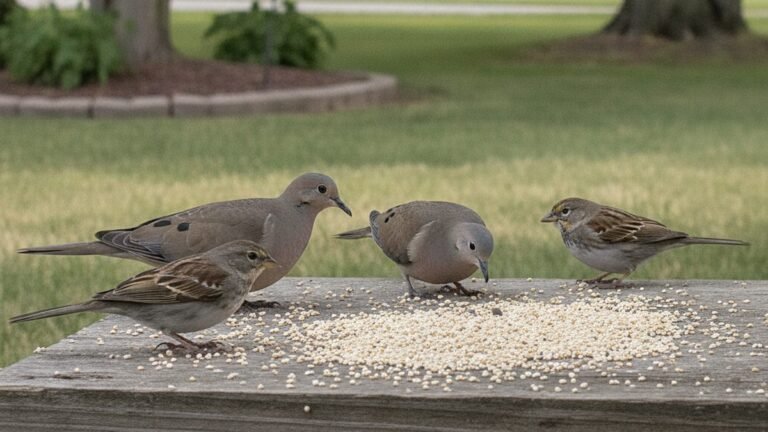
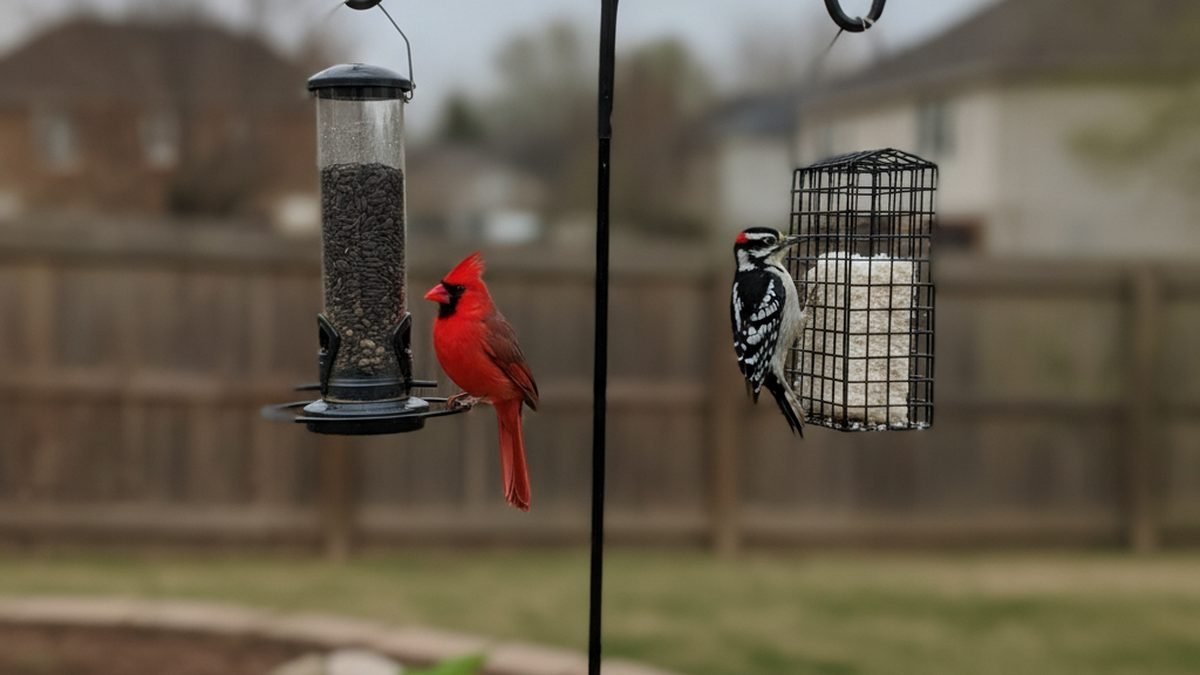
Different birds prefer different feeder styles. Woodpeckers and nuthatches like suet cages. Doves and cardinals often prefer platform or hopper feeders where they can sit while they eat. Goldfinches favor tube feeders with small ports.
Running just one feeder style limits which birds will visit. I run four feeders (hopper, tube, suet, and platform) plus a birdbath, and each one pulls in a slightly different crowd. If you’re just getting started, this guide to types of bird feeders can help you figure out what fits your yard.
Wrapping Up
Nobody gets backyard bird feeding perfect on the first try. I sure didn’t. Fix one mistake at a time, starting with seed quality and feeder placement, and you’ll likely start seeing more regular visitors within a few weeks. The birds are pretty forgiving if you keep at it.
Frequently Asked Questions
What is the biggest mistake beginners make when feeding birds?
The most common mistake is using cheap filler seed mixes that birds ignore. This wastes money and attracts pests instead of birds. Switching to black-oil sunflower seed or a quality mix suited to your local birds usually makes the biggest difference right away.
How long does it take for birds to find a new feeder?
It can take anywhere from a few days to several weeks. Birds need to notice the feeder and feel safe approaching it. Placing it near natural cover, like a tree or shrub, tends to speed things up.
How often should I clean my bird feeder?
Clean feeders roughly every two weeks, or weekly in hot, humid weather when seed spoils faster. Project FeederWatch recommends regular cleaning to reduce the spread of disease among birds sharing a feeding station.
Is it bad to feed birds bread or table scraps?
Yes, bread offers little nutrition and can mold quickly, especially in warm weather. It’s better to stick with bird-specific foods like sunflower seed, suet, and nyjer, which give birds the energy and nutrients they actually need.