How to Attract Baltimore Orioles to Your Feeder
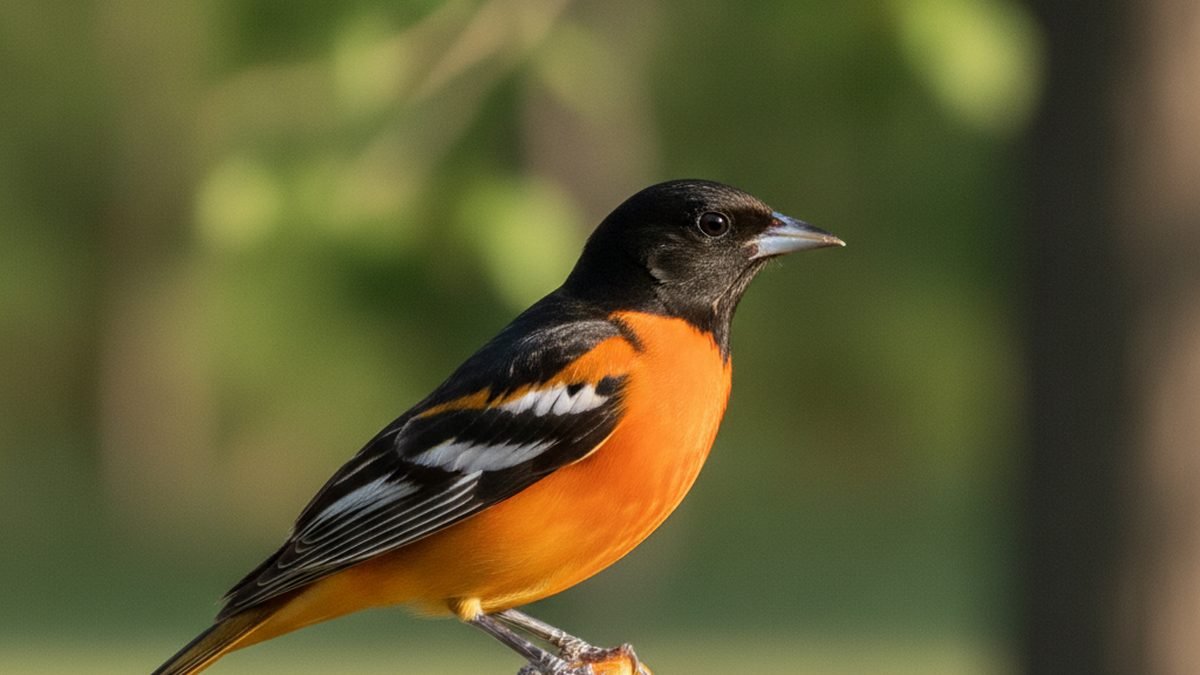
If you want to know how to attract orioles, the short answer is this: offer them oranges, grape jelly, and nectar, then be patient. Baltimore Orioles show up in spring and stick around through summer in most of the eastern and central United States, and they are drawn to sweet, bright orange foods more than to a standard seed feeder.
I have never had orioles nest in my own yard here in the Upper Midwest, but I have talked with plenty of feeder watchers who get them every year once they set up the right offerings. It really comes down to matching what these birds actually eat instead of hoping they will stop at your hopper feeder like a chickadee would.
What Orioles Eat
Baltimore Orioles eat mostly insects, ripe fruit, and nectar. In spring, they are hungry from migration and looking for quick energy. That is why sugary fruit and nectar work so well as bait.
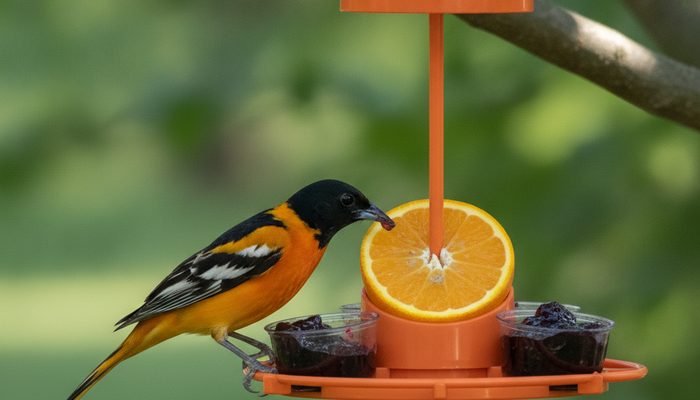
According to the Cornell Lab of Ornithology, orioles favor dark-colored, ripe fruit over green or unripe fruit. That is likely why cut oranges work so well. They also love grape jelly, which is not a natural food but has become a well-known favorite at feeders across the country.
Later in summer, orioles shift toward eating more insects, especially caterpillars. This is one reason jelly and orange feeders sometimes go quiet by midsummer even if the orioles are still around your neighborhood.
Best Feeder Type for Orioles
A dedicated oriole feeder is your best bet. These feeders are usually orange in color and have small cups for jelly and spikes to hold orange halves. Some also include a nectar reservoir for oriole-specific nectar, which is made the same way as hummingbird nectar but often served in a bigger feeder port.
If you don’t want to buy a special feeder, you can improvise. Nail an orange half to a wooden post, or set out a small dish of grape jelly on a platform feeder. I use my platform feeder for peanuts and mealworms most of the year, and it would work fine for orange halves too if orioles showed up in my area.
Avoid metal dishes in direct sun. Jelly can get runny and gross fast in hot weather, and that mess attracts ants more than birds. A shaded spot helps keep things fresh longer.
For more on feeder styles in general, see this guide to feeder types.
Where to Place the Feeder
Orioles like open space near tree cover. They spend a lot of time in the tops of tall trees, so a feeder placed near mature trees but still visible from a distance tends to work best.
Keep the feeder more than 30 feet from windows, or closer than 3 feet, following the standard window-collision safety rule from Cornell Lab and the Audubon Society. Anything in between creates a real risk of birds hitting the glass at speed.
If you already have feeders up for other birds, oriole feeders can hang nearby, just give them their own spot since orioles can be a little territorial about jelly feeders during breeding season.
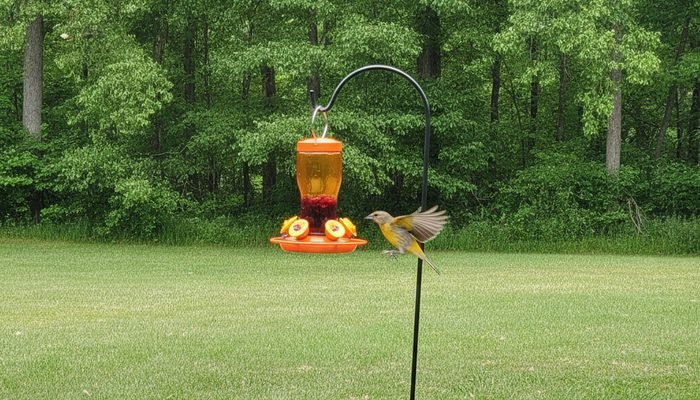
Extra Tips Specific to Orioles
Timing matters a lot with orioles. Put feeders out in early spring, right around when orioles typically arrive back from Central America and northern South America. In much of the Midwest and Northeast, that is late April to early May.
Orange color seems to matter too. Orioles are drawn to orange and yellow, which is part of why the feeders themselves are usually painted that color. Some backyard birders tie ribbons or hang extra orange halves in trees just to catch a passing oriole’s eye during migration.
Water helps as well. A birdbath with a dripper or mister can pull in orioles the same way it draws warblers and other migrants passing through. My own pedestal birdbath gets plenty of visitors in spring, and moving water is always the bigger draw over still water.
If you’re also trying to bring in other colorful visitors, check out this guide on attracting hummingbirds, since the nectar and timing overlap quite a bit with orioles.
How Long It Takes to Attract Orioles
Orioles can be slower to find a new feeder than chickadees or house finches. It may take a few days to a couple weeks for them to notice fresh jelly or orange halves, especially the first year you try.
Once a pair finds a reliable food source, they often come back to the same yard year after year. Project FeederWatch data shows many feeder birds, orioles included, build strong site fidelity once they know where the food is.
If nothing shows up after a few weeks, check your placement and freshness. Old, dried out orange halves or moldy jelly won’t attract anything. For more general troubleshooting, this article on why birds aren’t showing up covers common fixes that apply to most backyard feeders.
Wrapping Up
Attracting orioles takes a little more effort than filling a standard seed feeder, but it’s worth it once you see that flash of orange in the trees. Start with oranges and jelly in early spring, keep the food fresh, and give it time. Once orioles find your yard, there’s a good chance they will keep coming back each season.
Frequently Asked Questions
What is the best food to attract Baltimore Orioles?
Grape jelly and orange halves are the most reliable options. Orioles are also drawn to oriole-specific nectar feeders. Offer these together for the best results, since some individual birds prefer one over the other.
When should I put out oriole feeders?
Put feeders out in early spring, timed to when orioles return from their wintering grounds. In most of the Midwest and Northeast, that means late April through early May. Having food ready before they arrive gives you the best odds of catching their attention early.
Why did orioles visit my feeder and then stop coming?
This is normal. Orioles shift to eating more insects as summer goes on, especially caterpillars for feeding chicks. Jelly and orange feeders often see less activity by midsummer even though the birds are still nesting nearby.
Do orioles need a special feeder?
Not strictly. A dedicated oriole feeder with jelly cups and orange spikes makes things easier, but you can nail orange halves to a post or set jelly on a platform feeder. The orange color and food type matter more than the feeder brand.