Fall Bird Feeding: 3 Essential Tips for the Transition
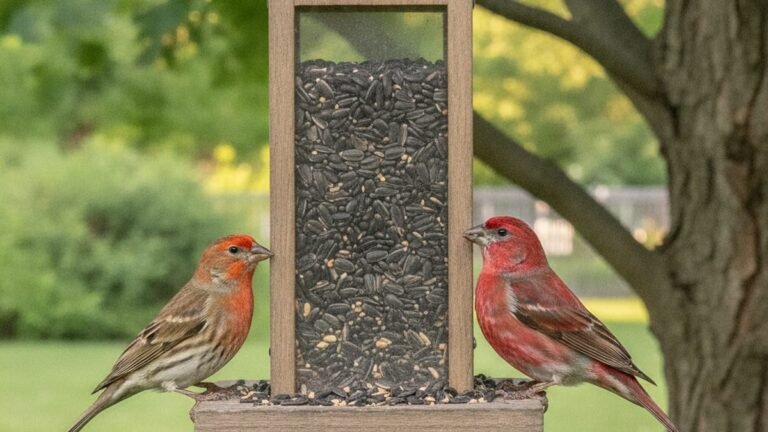
Fall bird feeding tips matter most right now, in late summer and early fall, because your yard is quietly emptying out even though nothing looks wrong. Birds are shifting their diet, migrating, or settling into winter territories, and your feeders need to shift with them.
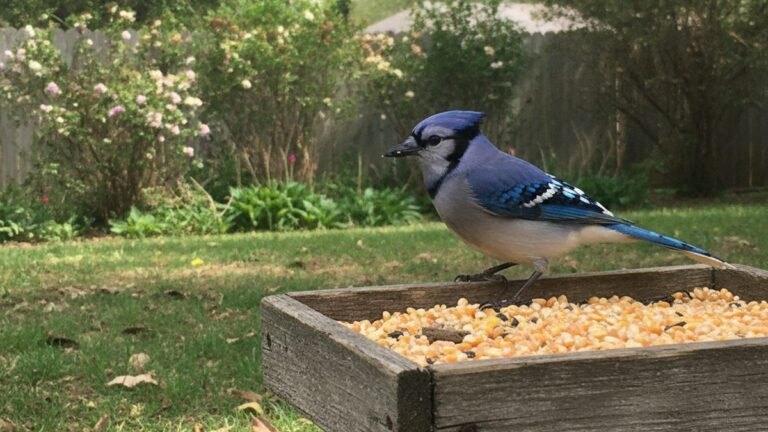
I go through this every September. The blue jays and goldfinches that mobbed my feeders all summer suddenly thin out, and I start second-guessing myself. It’s not a mistake on my part. It’s just the season changing.
Here are the three things that actually move the needle during the fall transition, in order of how often they trip people up.
1. Adjust What You’re Offering Before the Birds Ask For It
The most common fall mistake is feeding a summer menu into October. Birds start needing more fat and calories as temperatures drop, and your feeder mix should catch up before the cold does, not after.
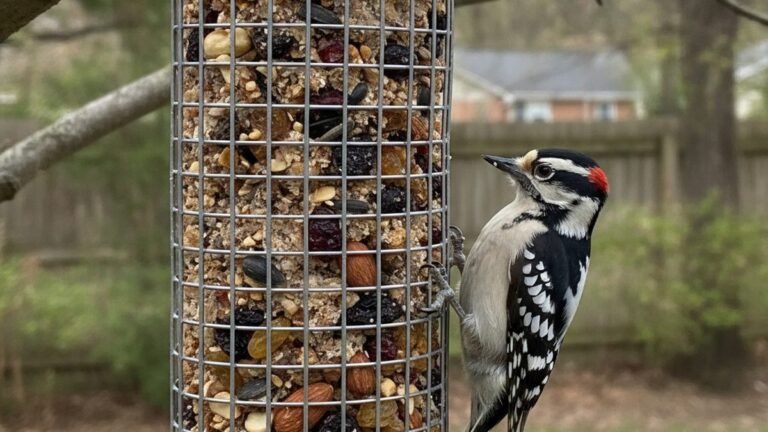
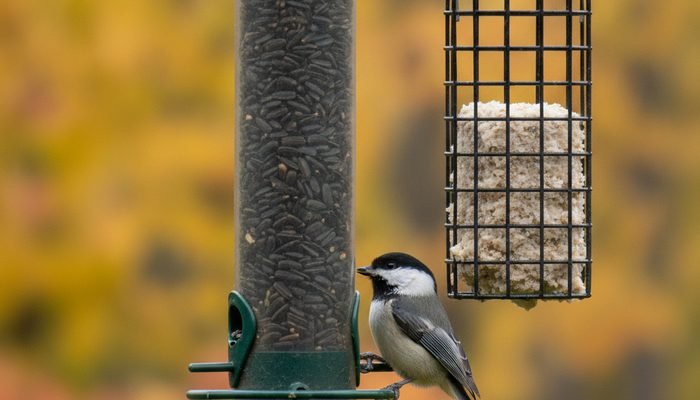
In late summer, a lot of birds are still eating soft foods and insects. By mid-fall, Black-capped Chickadees, Downy Woodpeckers, and White-breasted Nuthatches are all packing on fat reserves and caching seed for winter. This is when suet becomes worth its weight again.
I take my suet cage a little more seriously starting in September. Cornell Lab of Ornithology notes that suet is especially valuable in cold months because it gives birds a dense, quick energy source. I hang mine near the maple tree with the rest of my setup, and the woodpeckers find it within a day or two every year.
What to add or increase
Black oil sunflower seed, suet, and peanuts all become more useful as fall goes on. If you’re not sure which seed pulls in the widest variety of birds, this guide to birds that eat sunflower seeds breaks it down by species.
What to scale back
Nectar feeders should stay up through early fall for late hummingbirds passing through, but don’t top them off with more than they’ll drink in a few days once traffic slows. If you’re still running a hummingbird feeder, check my notes on making fresh hummingbird nectar so you’re not wasting sugar water that just sits there.
2. Don’t Panic When Feeder Traffic Drops (It’s Usually Temporary)
This is the fall problem that worries people the most, and it’s rarely a real problem. Natural food is everywhere in September. Seeds, berries, and insects are at their peak, so your feeder is competing with a fully stocked buffet.
I see this every year in my own yard. The goldfinches especially seem to vanish for a few weeks while wild seed heads are still standing. My nyjer tube feeder, which they mob in late summer, goes quiet for stretches in early fall.
Project FeederWatch data shows feeder visits naturally dip in early fall across much of the country before picking back up as natural food supplies shrink. If your feeders were busy all summer and suddenly seem abandoned, that’s usually why. If it drags on longer than a few weeks, it’s worth reading through why birds aren’t coming to your feeder to rule out other causes like moldy seed or a hidden predator problem.
What to actually check
Before blaming the season, dump out any seed that’s been sitting since summer. Heat and humidity can spoil it fast, and no bird wants damp, clumped seed. I toss and refill my hopper feeder more often in late summer for exactly this reason.
3. Get Ahead of Migration and Winter Prep Now, Not in November
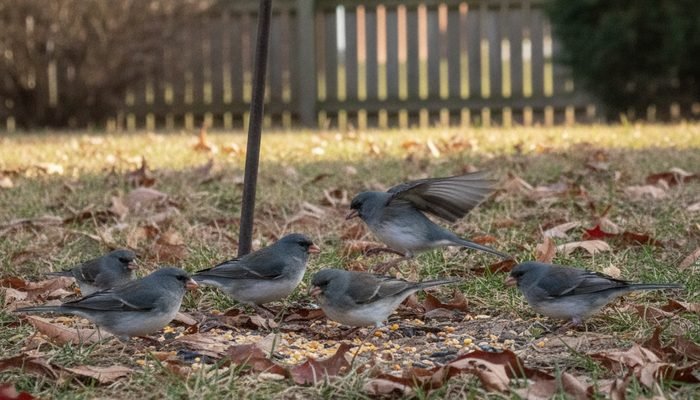
The third piece people miss is timing. Fall migration for many songbirds peaks in September and October, and winter residents like Dark-eyed Juncos start showing up in the Upper Midwest around the same window. If your feeders aren’t ready, you miss the early arrivals.
I like to have my suet cage, tube feeder, and platform feeder all cleaned and filled by early September. That way I’m not scrambling once the juncos show up scratching around under the maple like they own the place.
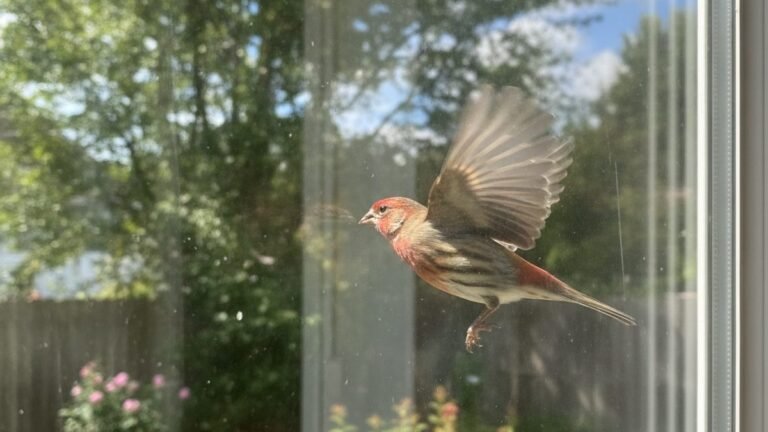
This is also a good time to check feeder placement before winter winds and snow change your yard’s layout. The feeder placement guide covers the 3/30 window rule, which matters more once birds are moving fast during migration and window strikes become more common. If you’ve had strike issues before, this guide on preventing window collisions is worth a look before migration ramps up.
Clean now, not later
Fall is also the best time to give feeders a real scrub. Damp fall weather is prime season for mold, and a dirty feeder can spread disease right as migrating birds are stressed and moving through in higher numbers. A simple wash with warm water and a bit of vinegar solution once a week or two goes a long way.
What NOT to Do During the Fall Transition
Don’t take feeders down just because traffic slows in September. That dip is usually normal, not a sign to quit.
Don’t switch to all-suet-all-the-time. Birds still need a seed mix; suet is a supplement, not a replacement.
Don’t let seed sit for weeks in warm, humid fall weather. Check it more often than you think you need to.
Don’t ignore migration timing. Cleaning and filling feeders in November means you missed the early wave already moving through in September and October.
Wrapping Up
Fall bird feeding really comes down to timing and patience. Adjust your food a little early, don’t panic when things go quiet for a few weeks, and have your feeders clean and ready before migration really picks up. Do that, and by the time the juncos show up scratching under the trees, you’ll already be set for winter.
Frequently Asked Questions
When should I start fall bird feeding?
Early to mid-September is a good target for most of the Upper Midwest and similar climates. That’s when natural food starts thinning and fall migrants are moving through. Having feeders clean and filled by then gives you the best odds of catching early arrivals like Dark-eyed Juncos.
Why did birds stop coming to my feeder in fall?
Most often it’s because natural seeds, berries, and insects are still plentiful, so feeders see less traffic for a few weeks. It can also mean the seed has spoiled in humid weather. If low traffic lasts more than a few weeks, check for spoiled seed or a nearby predator.
Should I feed suet in early fall or wait until winter?
You can start offering suet as soon as temperatures cool in early fall. Woodpeckers, chickadees, and nuthatches use the extra fat to build reserves before winter, so there’s no need to wait for the first freeze.
Do I need to take down hummingbird feeders in fall?
Leave hummingbird feeders up through early fall since some birds migrate later than others. Once you haven’t seen a hummingbird for one to two weeks, it’s safe to take the feeder down and clean it for storage.