Why I Started Feeding Birds (And What It Taught Me)
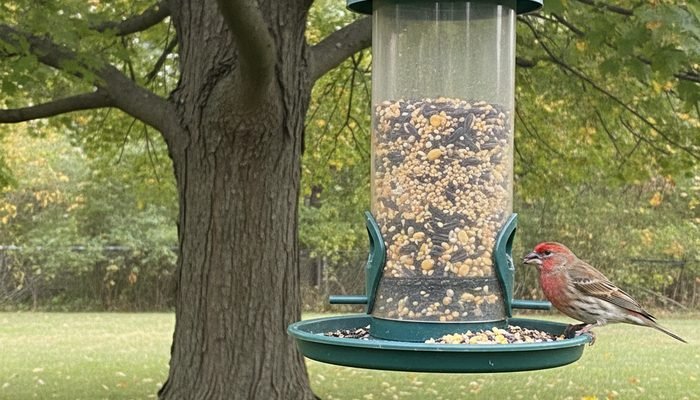
I started feeding birds because my backyard was boring. That’s the honest answer. Twelve years ago I put up one cheap hopper feeder just to see if anything would show up, and a pair of House Finches found it within two days.
That’s really what got me hooked. Not some grand plan to become a birder. Just curiosity, and then a little bit of surprise that it actually worked.
What I didn’t expect was how much feeding birds would teach me about patience, about paying attention, and about how much I don’t know. Twelve years in, I’m still learning things in my own yard.
How It Started: A Boring Yard and One Cheap Feeder
My yard backs up to a mature maple tree, and for years that tree just sat there doing tree things. I hung a basic hopper feeder about 10 feet from the trunk, filled it with a cheap seed mix from the hardware store, and forgot about it for a few days.
When I finally checked, the seed was gone and there were House Finches and a couple of Mourning Doves working the ground underneath. I remember feeling almost embarrassed by how excited I got. It was just birds eating seed. But it felt like I’d started something.
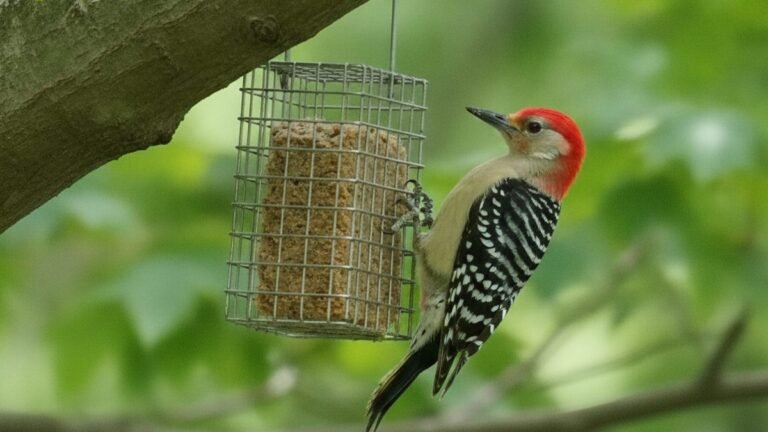
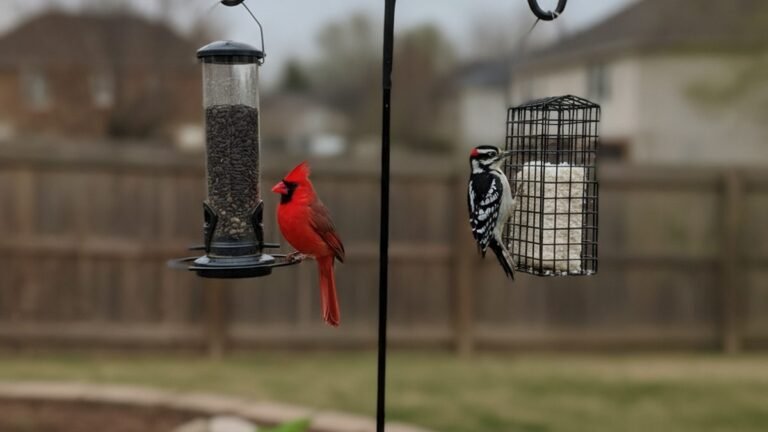
Within a month I added a suet cage because I kept reading that woodpeckers love it. Sure enough, a Downy Woodpecker showed up before I even finished screwing the bracket in place. I’m exaggerating a little, but not by much.
The First Mistakes I Made (So You Don’t Have To)
I made almost every rookie mistake in the book. I put my first feeder too close to a window, and I lost a Cedar Waxwing to a collision that still bothers me when I think about it. That one mistake taught me the Cornell Lab of Ornithology’s 3/30 rule: feeders need to sit within 3 feet of a window or more than 30 feet away, because anything in between gives birds just enough runway to build up dangerous speed before they hit the glass.
I also let seed sit out too long in wet weather and ended up with a moldy mess in the tray. Nobody warns you about that in the store. If you want the full rundown of what to avoid, I wrote up the mistakes in more detail here: common bird feeding mistakes beginners make.
And I definitely bought the wrong seed at first. A bargain mix full of filler grains sat there for weeks while the birds picked around it. Once I switched to black oil sunflower seed, the visits picked up almost overnight.
What Feeding Birds Actually Taught Me
The biggest lesson was patience. Birds don’t read your schedule. Some mornings my feeders are packed with Black-capped Chickadees and White-breasted Nuthatches taking turns at the perches. Other days it’s dead quiet and I have no idea why.
I also learned to actually watch behavior instead of just species. Blue Jays announce themselves before they land, like they’re clearing their throat first. Chickadees grab one seed and fly off to crack it open somewhere else. Nuthatches come in upside down, which still makes me smile every single time.
Feeding birds also taught me to slow down. I watch my feeders from the kitchen window most mornings with a cup of coffee, and it’s become a quiet part of my routine rather than a chore. According to Project FeederWatch, that kind of casual daily observation is exactly the sort of data that helps scientists track bird population trends over time. My backyard hobby is, in a small way, part of something bigger.
Building a Yard That Works for Different Birds
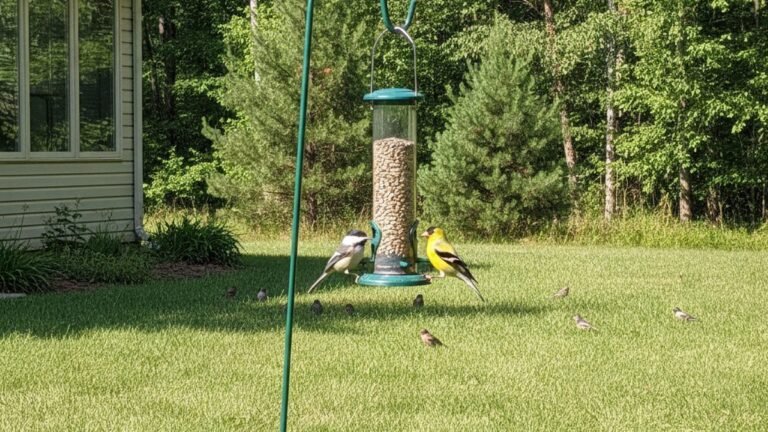
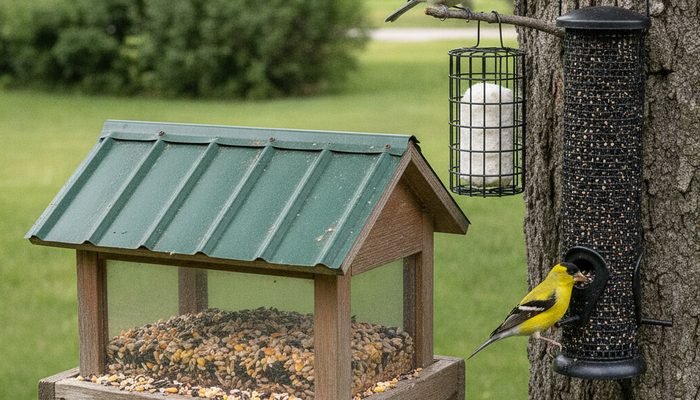
Over the years I added feeders one at a time instead of all at once, and that turned out to be the smart way to do it. My hopper feeder handles the everyday mix. A tube feeder filled with nyjer seed brings in American Goldfinches, especially in late summer when they’re at their brightest yellow. A suet cage keeps the Downy Woodpeckers happy through winter. A platform feeder gives ground feeders like Dark-eyed Juncos and Mourning Doves a place to land.
If you’re just starting out and wondering which feeder to buy first, I’d point you to this guide on the different types of bird feeders before you spend money on the wrong one. It would have saved me some trial and error.
I also added a birdbath a few years in, and that single change brought in more species than any feeder upgrade did. Water draws birds that don’t even eat seed, which was a surprise to me at the time.
The Moments That Keep Me Doing This
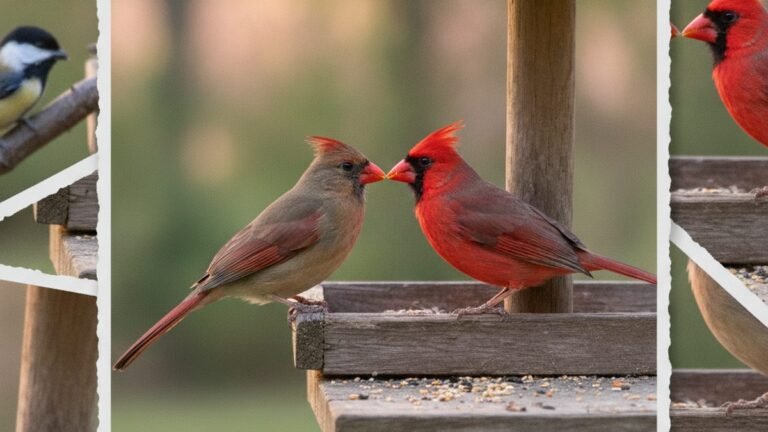
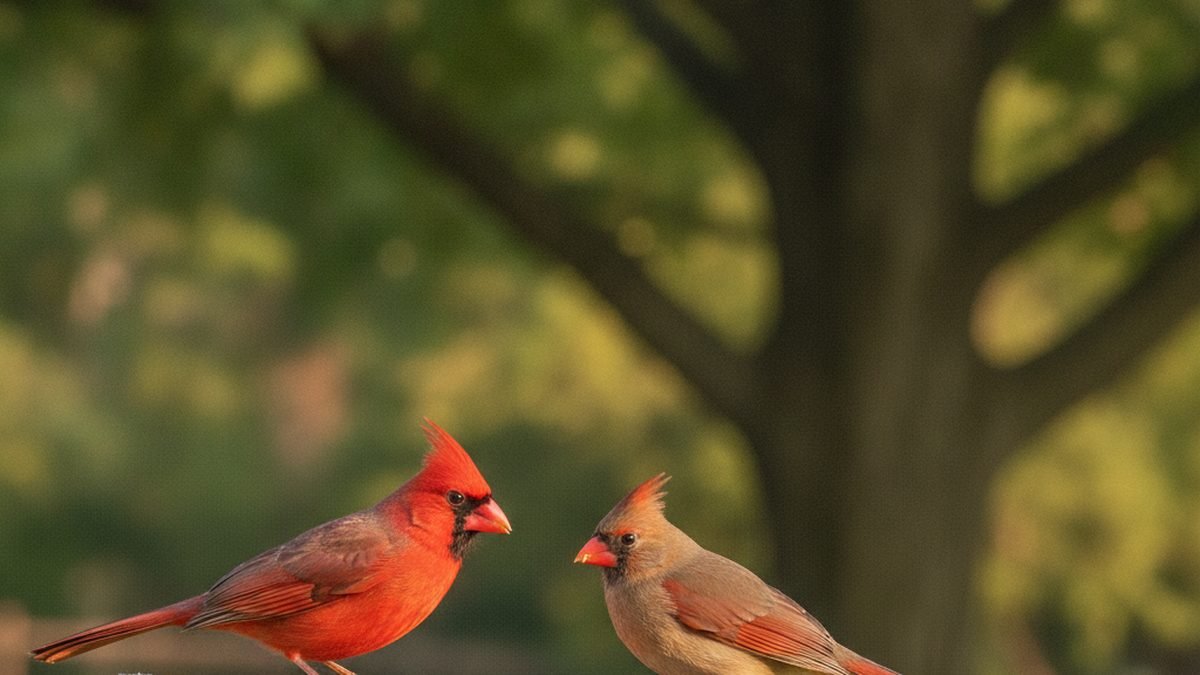
There’s a particular kind of quiet satisfaction in watching a Northern Cardinal pair work the platform feeder together in early morning light. I’ve had mornings where I just stood at the window longer than I meant to, coffee going cold, because I didn’t want to miss what happened next.
I’ve also had plenty of frustrating stretches where nothing showed up for days and I second-guessed everything I was doing. If that sounds familiar, I’ve got a whole article on why birds aren’t coming to your feeder that covers the usual culprits.
What keeps me at it after 12 years isn’t any single dramatic moment. It’s the accumulation of small ones. A goldfinch changing color with the seasons. A nuthatch stashing a seed in the maple bark. A cardinal that seems to know exactly when I refill the tray.
Wrapping Up
Feeding birds turned out to be one of the simplest, cheapest hobbies I’ve ever picked up, and it’s still teaching me things twelve years later. If you’re thinking about starting, don’t overthink it. Put up one feeder, fill it with decent seed, and give it time. The birds will find you eventually, and once they do, it’s hard to stop watching.
Frequently Asked Questions
Do I need special equipment to start feeding birds?
No. A basic hopper or tube feeder and one type of seed, like black oil sunflower, is enough to start. I began with a single cheap feeder and added more over several years as I figured out what my yard actually needed.
How long does it take for birds to find a new feeder?
In my experience it can take anywhere from a couple of days to a few weeks. It depends on your location, the season, and how much natural food is already available. Patience matters more than tweaking the setup constantly.
Is backyard bird feeding actually good for birds?
Groups like the Audubon Society and Cornell Lab of Ornithology generally support responsible feeding, especially with clean feeders and appropriate seed. It becomes especially helpful during harsh winters or food shortages, as long as feeders are cleaned regularly to prevent disease.
What’s the most common reason people give up on bird feeding?
Usually it’s unrealistic expectations. People expect a crowd of birds within a day or two, and when that doesn’t happen they assume they’re doing something wrong. Most of the time it just takes longer than you’d think for birds to discover a new food source.