28 New York Backyard Birds and How to Attract Them
If you want to know which new york backyard birds you can actually attract, here is the short answer: it depends on the season and what you put out. New York has four distinct seasons, and the birds at your feeder in January look nothing like the crowd you get in June.
I live in the Upper Midwest, not New York, but our winters and summers aren’t too different. I’ve spent years watching how seasonal food and cold snaps change who shows up at my own feeders. That experience carries over well to New York yards, since a lot of the same species overlap between our regions.
This guide covers 28 birds you’re likely to see in a New York backyard, from year-round regulars to summer visitors and winter finches. I’ll tell you what each one eats, what feeder works best, and give you one practical tip for each.
Northern Cardinal
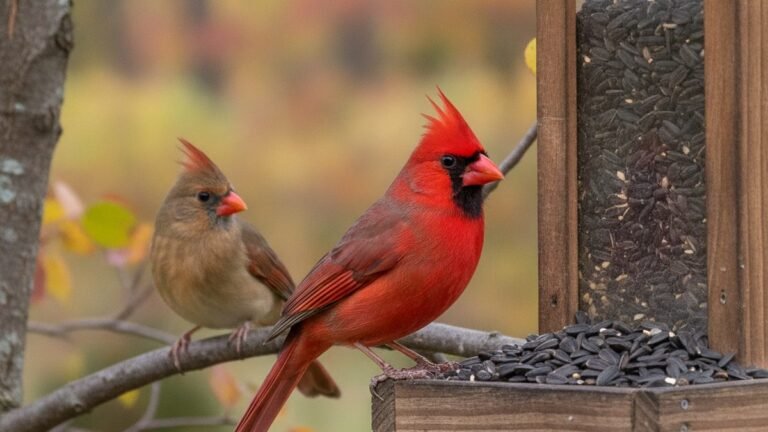
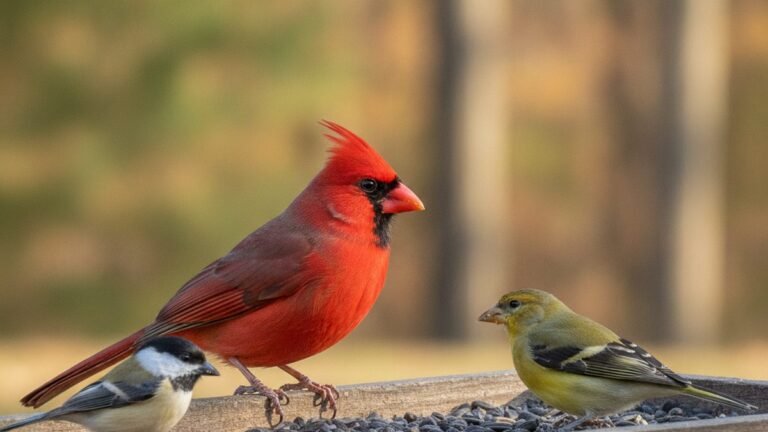
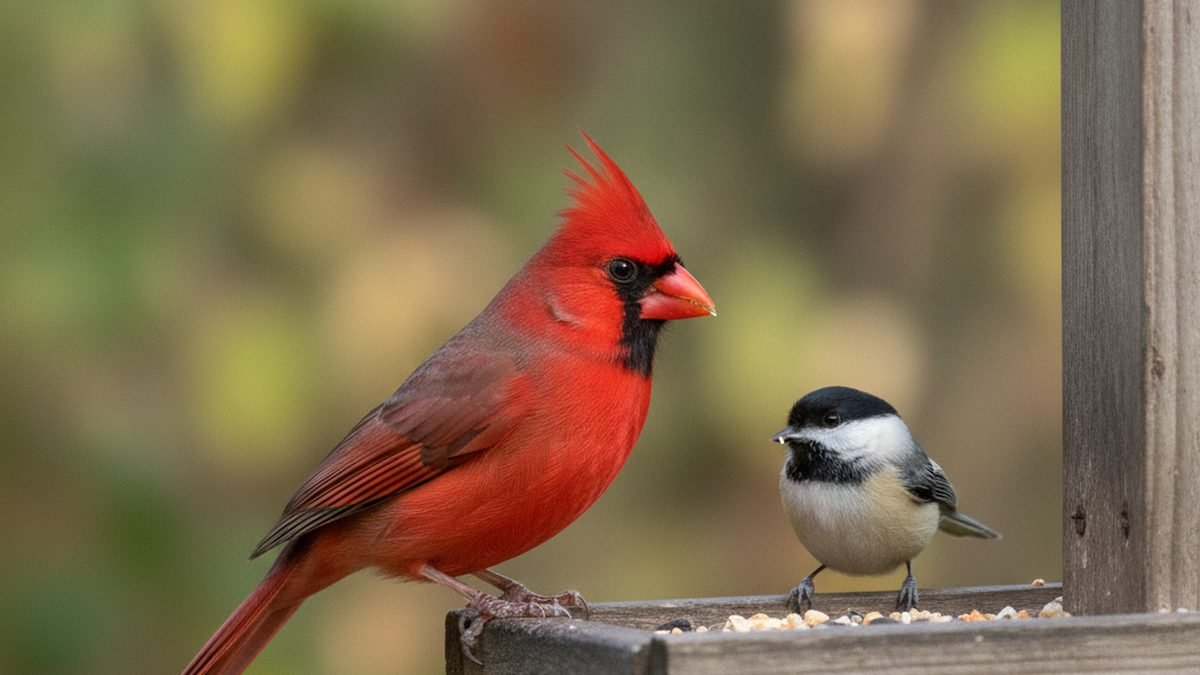
Cardinals are easy to ID: bright red males, warm tan-red females, both with a pointed crest and thick orange bill. They eat sunflower seeds, safflower, and cracked corn.
A hopper feeder or platform feeder works best since cardinals prefer a wide, stable perch over a tube. They also feed at dawn and dusk more than midday. Keep seed stocked early in the morning if you want to catch them.
Black-capped Chickadee
Look for the black cap and bib with white cheeks. Chickadees eat black oil sunflower seed, suet, and peanuts, and they’re one of the friendliest birds you’ll meet at a feeder.
They’ll use almost any feeder type, including tube, hopper, or suet cage. In my own yard, chickadees are usually the first birds to find a new feeder, sometimes within hours.
White-breasted Nuthatch
This bird has a gray-blue back, white face, and a habit of creeping headfirst down tree trunks. It eats sunflower seeds, peanuts, and suet.
A suet cage mounted on a tree trunk works great since nuthatches are used to foraging on bark. I watch mine work the maple near my feeders almost every day in cold weather.
Downy Woodpecker
The smallest woodpecker in North America, with a black and white body and a small bill. Males have a red patch on the back of the head. Suet is the top draw, though they’ll also take sunflower seed.
A suet cage or a feeder with a tail-prop works well. Downies are patient birds and will wait their turn even when jays are hogging the platform.
Blue Jay
Blue Jays are hard to miss with their blue, white, and black pattern and loud calls. They eat peanuts, sunflower seeds, and corn, and they’re not shy about clearing out a feeder in one visit.
A platform feeder or large hopper handles them best. If you want to keep some seed for smaller birds, try offering peanuts in the shell on a separate platform to keep jays occupied elsewhere.
American Goldfinch
Males turn bright yellow with a black cap in summer, then fade to olive in winter. Nyjer seed is their favorite, though they’ll eat sunflower hearts too.
A tube feeder with small ports made for nyjer is the best setup. I keep nyjer in my own tube feeder year-round, and goldfinches are reliable visitors even in the coldest months.
Dark-eyed Junco
Juncos are winter visitors across most of New York, gray above and white below, sometimes called snowbirds. They feed on the ground on millet and mixed seed.
A low platform feeder or seed scattered under a hopper feeder works well since juncos rarely land on hanging feeders. They tend to show up right around the first hard frost.
Mourning Dove
A soft brown-gray bird with a long tail and a gentle cooing call. Doves eat millet, cracked corn, and sunflower seed, almost always from the ground or a platform.
Keep seed scattered on a platform feeder or the ground below your other feeders. Doves are ground feeders by nature and rarely use hanging tube feeders.
House Finch
Males show a reddish head and chest, females are streaky brown. House Finches love sunflower seed and nyjer, and often show up in noisy little flocks.
A tube feeder or hopper feeder both work. Watch for eye disease in this species (a swollen, crusty eye), a known issue tracked by Project FeederWatch, and clean feeders regularly to help limit it.
American Robin
The classic orange-breasted thrush most people can identify on sight. Robins mostly eat worms and insects, but they’ll come to a platform for mealworms or fruit like berries.
They rarely use seed feeders. Set out a platform with soaked raisins or mealworms, and keep your birdbath filled since robins are strong bathers.
Red-winged Blackbird
Males are black with a bold red and yellow shoulder patch, females are streaky brown. They eat seed and grain, and show up in spring and summer in good numbers.
A platform feeder with mixed seed or cracked corn attracts them. They tend to arrive in small flocks, so expect a sudden rush of activity rather than one bird at a time.
Song Sparrow
A streaky brown sparrow with a central breast spot, known for its cheerful, varied song. Song Sparrows eat mixed seed and millet, mostly from the ground.
Scatter seed under feeders or use a low platform. They’re not big fans of hanging feeders and prefer brushy cover nearby to dart into.
White-throated Sparrow
Look for the white throat patch and yellow spot between the eye and bill. These sparrows show up in fall and winter and eat millet and mixed seed on the ground.
A ground tray or platform feeder works best. They often travel with juncos, so if you see one, check the ground nearby for the other.
Tufted Titmouse
A small gray bird with a pointed crest and peachy flanks. Titmice eat sunflower seed and suet, and they often grab one seed at a time to store it nearby.
A hopper or tube feeder works well. They’re bold for their size and will scold you from a nearby branch if you’re slow to refill the feeder.
Carolina Wren
A small, round, reddish-brown bird with a bright white eyebrow stripe and a surprisingly loud song. Wrens eat suet and mealworms, and occasionally sunflower bits.
Offer suet in a cage feeder, ideally near shrubs or brush where wrens feel safe. They’ve been expanding their range north into New York over recent decades according to Cornell Lab of Ornithology range maps.
Red-bellied Woodpecker
Despite the name, the easiest ID mark is the red cap and nape, not the faint red wash on the belly. They eat suet, peanuts, and sunflower seed.
A suet cage or hopper feeder both work. They have a sharp, rolling call that’s often the first sign one is nearby before you spot it.
Hairy Woodpecker
Similar to the Downy Woodpecker but larger, with a longer bill in proportion to its head. Suet is the main draw, along with sunflower seed and peanuts.
A suet cage mounted on or near a tree trunk works best. If you get both woodpecker species at once, compare bill length side by side to tell them apart.
European Starling
A stocky black bird with a short tail and glossy, speckled feathers that shine purple and green in sunlight. Starlings eat suet, seed, and just about anything else on offer.
They’ll mob suet cages in flocks. A suet feeder with a cage guard that requires clinging can help limit access for starlings while still letting woodpeckers and chickadees through.
Common Grackle
A large, glossy blackbird with a long tail and pale yellow eye. Grackles eat seed, corn, and suet, and they tend to arrive in loud, pushy groups.
A platform feeder handles them, though many backyard birders find grackles a bit much in large numbers. Cracked corn scattered farther from your main feeders can help draw them away from smaller birds.
Baltimore Oriole
A striking orange and black bird that arrives in New York in spring. Orioles eat nectar, oranges, grape jelly, and some insects.
An oriole feeder with orange halves or a small jelly dish works well. They tend to show up for a few weeks in May before settling into the trees to nest.
Ruby-throated Hummingbird
New York’s only common breeding hummingbird, tiny and fast with a shimmering green back. Males have a red throat patch. They feed on nectar and small insects.
A nectar feeder with a simple 4 parts water to 1 part sugar mix works best. Skip the red dye. Clean the feeder every few days in hot weather since nectar spoils fast.
Eastern Bluebird
A thrush with a blue back and rusty-orange breast. Bluebirds mostly eat insects, but they’ll come to platform feeders for mealworms, especially in winter.
Offer live or dried mealworms on an open platform. Bluebirds prefer open, grassy areas over dense trees, so a feeder near a lawn edge works better than one tucked in the woods.
Pine Siskin
A small, streaky brown finch with a touch of yellow in the wings, related to the goldfinch. Siskins eat nyjer and sunflower hearts, and show up unpredictably in winter irruption years.
A tube feeder with nyjer works well, and they often mix in with goldfinch flocks. Some winters bring none at all, so don’t worry if you go a year without seeing them.
Purple Finch
Often confused with the House Finch, but Purple Finches show a deeper raspberry wash over the head and back rather than a sharp red patch. They eat sunflower seed and nyjer.
A tube or hopper feeder works. Compare the head color and overall shape against a House Finch side by side if you’re not sure which one you’re looking at.
Red-breasted Nuthatch
Smaller than the White-breasted Nuthatch, with a black eye stripe and rusty underside. It eats sunflower seed, suet, and peanuts.
A suet cage or tube feeder both work. This species shows up more in years when conifer seed crops up north are poor, so New York numbers can vary year to year.
Black-throated Blue Warbler
A striking blue, black, and white warbler that passes through New York during migration. Warblers mostly eat insects, but a few will visit suet or mealworm feeders during migration.
Feeder watchers in New York report the best luck offering suet dotted with mealworms in spring and fall. Most warblers still rely on natural insect activity in trees and shrubs more than feeders.
Cedar Waxwing
A sleek, crested bird with a yellow-tipped tail and waxy red wing markings. Waxwings eat berries and fruit, and they often move through in flocks that strip a berry bush in minutes.
Offer chopped fruit or berries on a platform feeder. Waxwings are unpredictable visitors since they follow berry crops rather than sticking to one yard all season.
American Crow
A large, all-black bird known for its intelligence and loud caw. Crows eat almost anything, including seed, suet, and scraps.
A ground platform with corn or peanuts works if you want to attract them, though many backyard birders are happy to let crows pass through without dedicated feeding.
The 3 Best All-Around Foods for New York Backyards
Black oil sunflower seed is the single best food for variety. It has a thin shell and high fat content, and it draws cardinals, chickadees, titmice, nuthatches, and finches all at once.
Suet covers the woodpeckers, nuthatches, and wrens, especially in fall and winter when birds need extra fat for energy. A suet cage mounted near a tree trunk mimics natural bark foraging and gets used fast.
Nyjer seed rounds things out for goldfinches, siskins, and purple finches. It needs a feeder with small ports so the tiny seed doesn’t spill out and go to waste. If you’re not sure why a mix isn’t working, it helps to check common reasons birds skip a feeder before assuming the food is the problem.
Seasonal Notes for New York Feeders
Spring brings orioles and hummingbirds back starting in late April or early May, along with a wave of migrating warblers passing through. Summer keeps most year-round birds active along with breeding Red-winged Blackbirds and Cedar Waxwings following berry crops.
Fall is when juncos and white-throated sparrows arrive, and it’s a good time to add suet back into rotation as birds bulk up for winter. Winter brings the toughest conditions, and consistent feeding matters most then since natural food is scarce.
Keep water available year-round if you can manage it. A heated birdbath in winter draws just as much traffic as a full feeder, since open water gets scarce once temperatures drop. If squirrels are raiding your feeders in any season, a look at which birds actually eat sunflower seed can help you figure out who’s really eating your seed versus who’s just visiting for suet or nyjer.
Wrapping Up
New York’s mix of woods, farmland, and coastline means you can rack up a long backyard bird list without much trouble. Start with black oil sunflower seed, suet, and nyjer, and you’ll cover most of what shows up here. Pay attention to the seasons, since half the fun is watching the lineup change from the orioles of May to the juncos of November.