7 Birds That Eat Mosquitoes (And How to Attract Them)
If you’re swatting mosquitoes on the patio every evening, you might be wondering which birds that eat mosquitoes could help thin out the swarm. The honest answer is that several common backyard birds snack on mosquitoes, but none of them make mosquitoes their main course. Still, attracting the right mix of birds can make a real dent, especially when you combine it with good yard habits.
I’ve spent plenty of August evenings on my own patio here in the Upper Midwest, waving away bugs while watching chickadees and swallows work the air over my yard. Some species are far better at catching flying insects than others. Below are seven birds that include mosquitoes in their diet, and how to make your yard more appealing to them.
Why Birds Alone Won’t Solve a Mosquito Problem
Let’s set expectations first. Mosquitoes are tiny, fast, and mostly active at dawn, dusk, and night. Most birds are daytime hunters and go after bigger, easier meals like beetles, moths, and caterpillars. Cornell Lab of Ornithology notes that insect-eating birds help control many pest species, but mosquitoes usually make up a small slice of their diet.
That said, every mosquito eaten is one less mosquito biting you. Bringing in a good population of insect-eating birds is a smart piece of a bigger pest control plan. Pair it with removing standing water, since that’s where mosquitoes actually breed.
1. Purple Martin
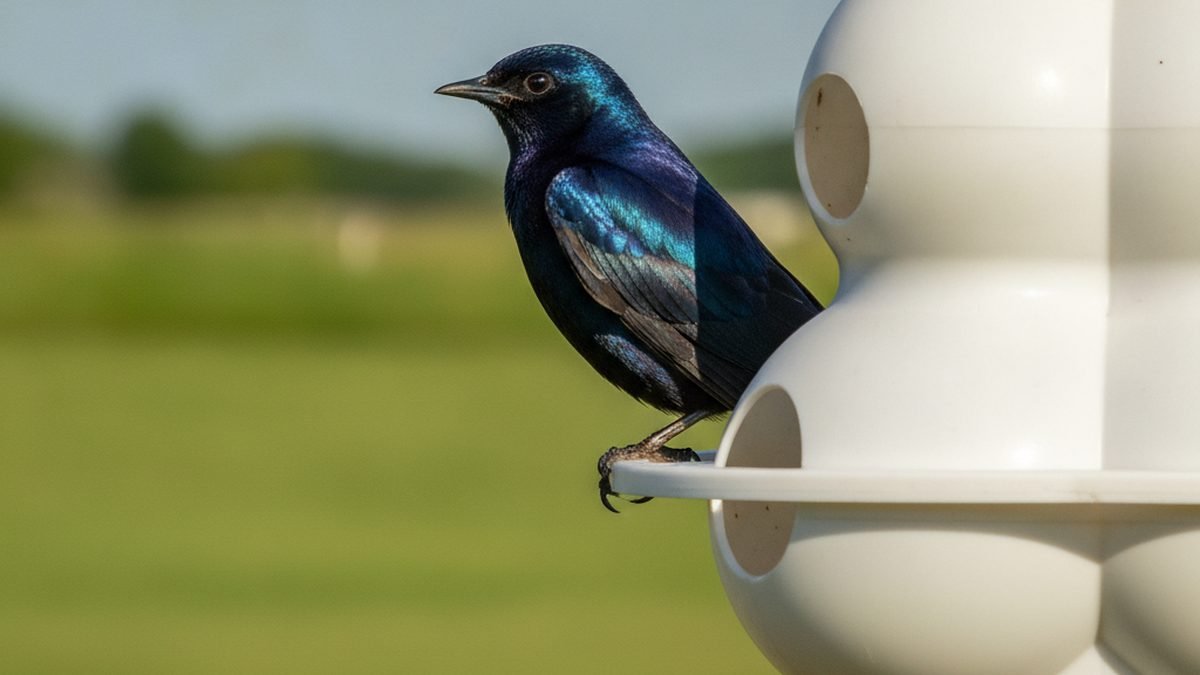
Purple Martins are probably the most famous “mosquito bird,” though the reputation is a bit oversold. They do eat flying insects almost exclusively, caught on the wing during long looping flights.
To attract them, you need a martin house or gourd colony set up in a wide open area, away from trees, ideally near water. Martins are picky about housing and often take a couple seasons to move in. They’re colony nesters, so one pair rarely shows up alone.
2. Tree Swallow
Tree Swallows are aggressive, acrobatic fliers that snatch mosquitoes, midges, and flying ants right out of the air. They’re one of the more reliable mosquito predators you can attract to a yard near open water or fields.
Nest boxes mounted on a pole near a pond, marsh, or open lawn work well. Keep the entrance hole about 1.5 inches to keep out starlings. Tree Swallows like a clear flight path, so avoid crowding the box with brush.
3. Eastern Bluebird
Eastern Bluebirds hunt mostly from a perch, dropping down to grab insects off the ground or snatching them from the air. Mosquitoes show up in their diet along with beetles, crickets, and caterpillars.
A bluebird nest box mounted on a pole in open grassy space, facing away from prevailing wind, gives you the best shot. Bluebirds prefer short grass where they can spot insects easily, so a mowed lawn edge works better than a wild, brushy one.
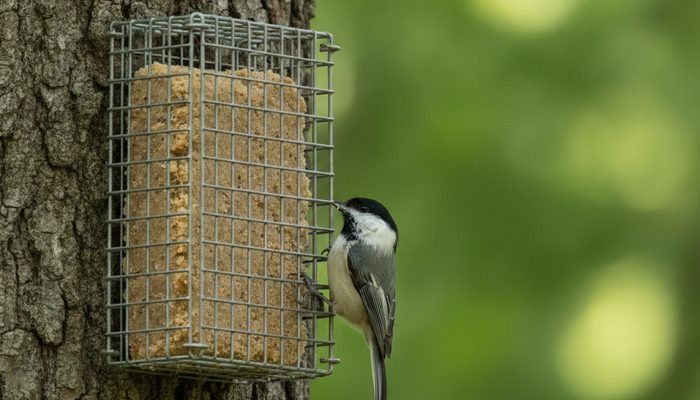
4. Black-capped Chickadee
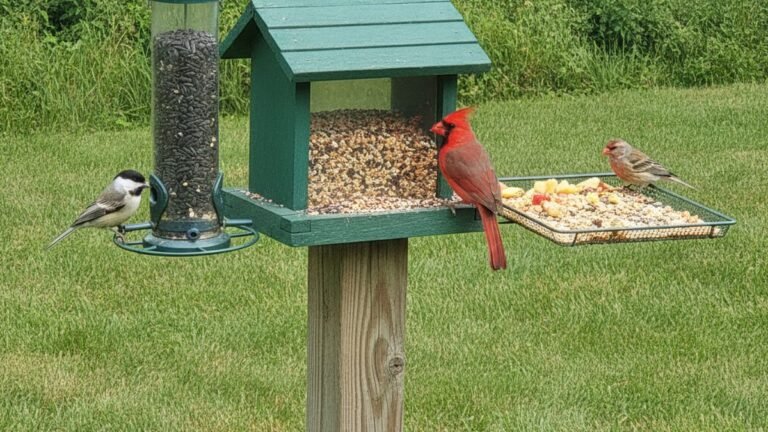
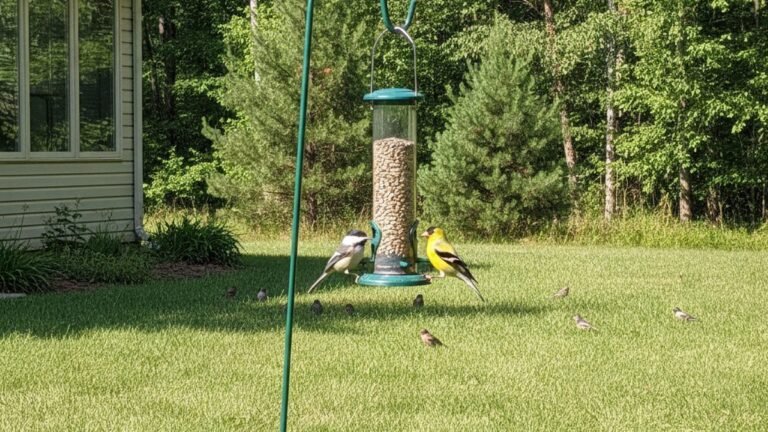
Chickadees are one of my regular yard visitors, and they eat a surprising number of insects, especially in spring and summer when they’re raising chicks. Mosquitoes, gnats, and small caterpillars all end up on the menu.
A suet feeder and a few native shrubs nearby will keep chickadees close. I hang my suet cage near the maple tree in my yard, and the chickadees treat it like a regular stop between insect hunting trips. setting up your first feeder
5. Barn Swallow
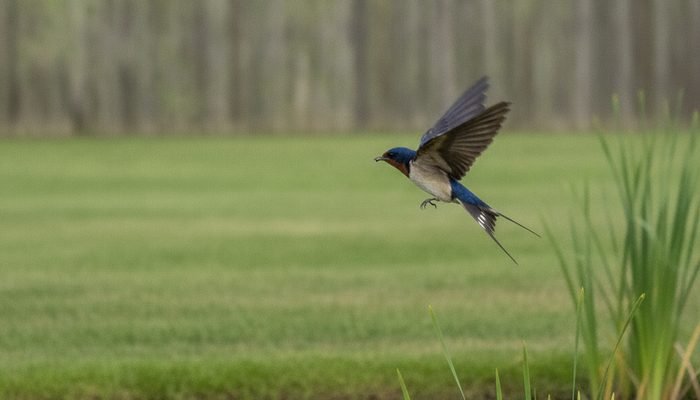
Barn Swallows are constant fliers, skimming low over lawns, ponds, and fields to catch mosquitoes, flies, and other small flying insects. Audubon Society notes they can eat hundreds of insects a day during breeding season.
They nest under eaves, in barns, or under open sheds and carports, building mud nests stuck to a ledge. If you have an open structure like a porch roof or barn, leaving a small gap or shelf can encourage a pair to build.
6. Common Nighthawk
Common Nighthawks feed at dusk and after dark, which lines up perfectly with peak mosquito activity. They fly high and erratic, scooping up mosquitoes, moths, and beetles with their wide mouths.
You can’t really attract nighthawks with feeders or boxes. They nest on flat gravel rooftops or open ground and show up naturally in areas with good insect populations over open sky. Leaving outdoor lights off or using yellow bug lights sparingly can help, since bright white lights pull insects (and sometimes nighthawks) away from your open flight paths.
7. House Wren
House Wrens are small, busy, and almost entirely insect eaters. They pick mosquitoes, spiders, and beetles out of shrubs, brush piles, and low branches.
They’re cavity nesters and will happily use a small nest box with a 1-inch entrance hole. Wrens like a bit of clutter, so a brush pile or dense shrub near the box gives them cover and hunting ground at the same time.
Best Feeder Type for Insect-Eating Birds
Most birds that eat mosquitoes aren’t seed eaters, so a hopper or tube feeder won’t do much for them. Suet is your best bet, since it draws in chickadees, woodpeckers, and wrens looking for a fat and protein boost. compare feeder styles
Nest boxes matter more than feeders here. Swallows, bluebirds, and wrens are cavity nesters, and the right box in the right spot will do more than any feeder to keep them hunting insects in your yard.
Where to Place Nest Boxes and Feeders
Open-sky hunters like martins, swallows, and nighthawks need clear space to fly and dive. Mount their boxes away from dense trees, ideally near a pond, field, or open lawn.
Chickadees and wrens are the opposite. They like some cover nearby, so a box or suet feeder near shrubs or the edge of your yard works better for them. Keep any feeder far enough from windows to follow the 3/30 rule (within 3 feet or beyond 30 feet) so you’re not creating a collision hazard. learn the 3/30 window rule
Other Ways to Cut Down on Mosquitoes
Birds are one piece of the puzzle. Dumping standing water from buckets, gutters, and old flower pots removes mosquito breeding grounds before birds even get a chance. A clean, circulating birdbath also helps, since stagnant water is exactly what mosquitoes look for. I dump and refill my pedestal birdbath every few days in summer, partly for the birds and partly to keep it from turning into a mosquito nursery.
Bats and dragonflies also eat plenty of mosquitoes, so a yard that supports birds usually supports these other predators too.
How Long It Takes to See Results
Nest boxes can take a full season or two to get noticed, especially for picky species like Purple Martins. Suet feeders tend to draw chickadees and wrens within a week or two if they’re already in the area.
Don’t expect a dramatic drop in mosquito bites overnight. Think of it as a slow shift over a summer or two, as your yard becomes a more attractive hunting ground for insect eaters.
Wrapping Up
Attracting birds that eat mosquitoes is a nice bonus on top of good backyard birding, but it works best alongside basic mosquito control like dumping standing water. Start with a suet feeder for the chickadees and wrens, then think about a nest box if you have the open space for swallows or bluebirds. Give it a season or two and keep your expectations realistic. You’ll get fewer mosquitoes and a lot more interesting birds to watch from the kitchen window.
Frequently Asked Questions
Do purple martins really control mosquitoes?
Not as much as their reputation suggests. Purple Martins eat flying insects, but studies show mosquitoes make up only a small part of their diet. They’re still fun to attract and do help with other flying pests, just don’t expect them to wipe out your mosquito problem alone.
What is the best bird to attract for mosquito control?
Tree Swallows and Barn Swallows are among the most effective, since they hunt low over water and open ground where mosquitoes gather. Nighthawks are also strong mosquito predators because they feed at dusk, right when mosquito activity peaks.
Will bird feeders attract mosquito-eating birds?
Feeders help a little, mainly suet feeders that draw insect-eating birds like chickadees and wrens. But nest boxes and habitat (open water, shrubs, clear flight paths) matter more than feeders for attracting the birds that actually hunt mosquitoes.
Should I remove standing water even if I attract these birds?
Yes. Removing standing water stops mosquitoes from breeding in the first place, which is more effective than any bird. Birds help thin out adult mosquitoes already flying around, but they can’t keep up if new mosquitoes keep hatching nearby.