Should You Feed Birds Bread? What You Need to Know
Can birds eat bread? Technically yes, but they shouldn’t eat much of it. Bread has almost no nutritional value for birds, and a steady diet of it can lead to malnutrition and other health problems.
I get this question a lot from neighbors who grew up tossing bread crusts to ducks at the park. It feels harmless. But after 12 years of watching cardinals, chickadees, and nuthatches work through my feeders, I can tell you bread is one of the least useful things you can offer a bird. Let’s break down why, and what to put out instead.
What Is Bread, Nutritionally Speaking (for a Bird)
Bread is mostly refined carbohydrates. It’s flour, water, yeast, and salt, sometimes with sugar or oil mixed in. For a person, a slice now and then isn’t a big deal.
For a bird, it’s a different story. Birds need protein, fat, and specific vitamins to keep their feathers, muscles, and organs working right, especially in winter when they burn through calories just staying warm. Bread gives them a quick burst of energy and almost nothing else. The Audubon Society and Cornell Lab of Ornithology both point out that bread fills a bird’s stomach without meeting its actual nutritional needs, which is sometimes called “empty calorie” feeding.
White bread is worse than whole grain, since it has even less fiber and fewer nutrients. Either way, it’s not something a bird’s body is built to process well in large amounts.
Which Birds Will Eat It Anyway
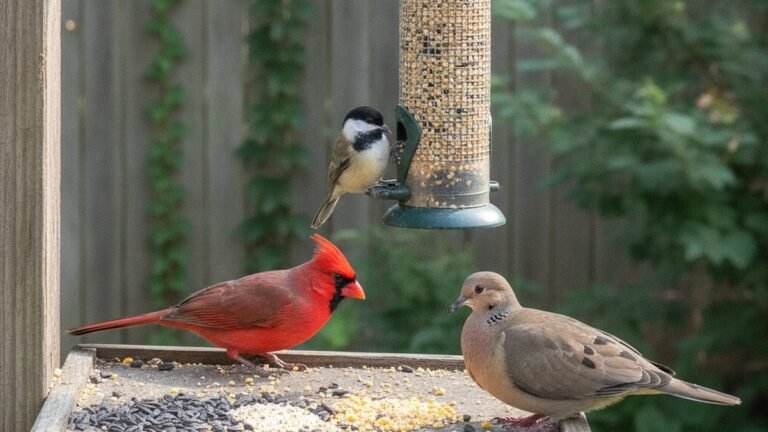
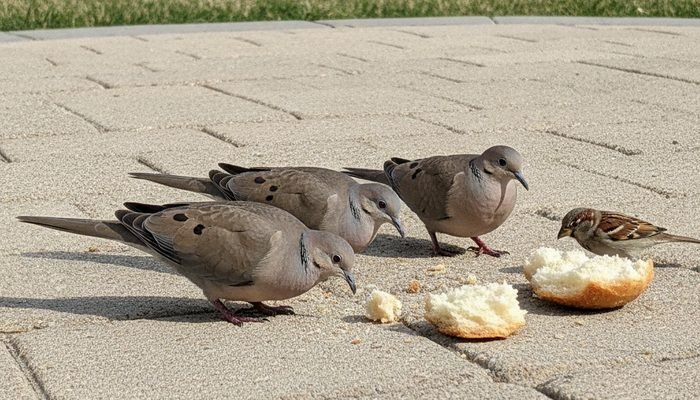
Plenty of birds will eat bread if it’s put in front of them. Mourning Doves, House Sparrows, European Starlings, and various gulls and ducks will readily peck at bread crumbs or crusts. I’ve watched Mourning Doves clean up spilled bread bits under my platform feeder without a second thought.
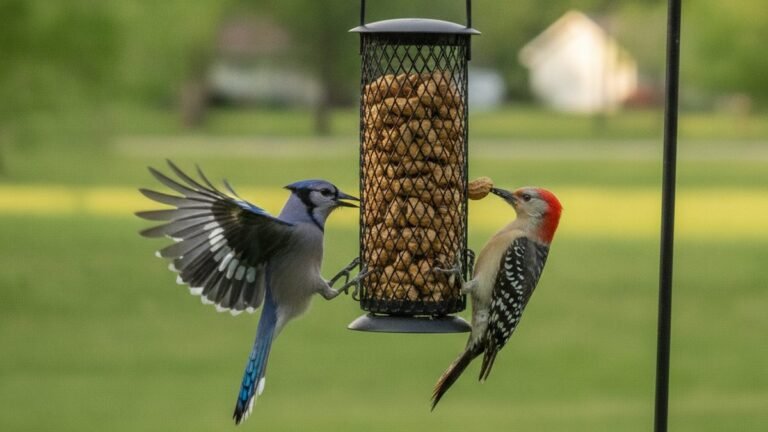
Crows and Blue Jays are opportunistic enough to grab bread too, since they’ll eat almost anything that looks like food. That willingness to eat it is exactly the problem. Just because a bird will eat something doesn’t mean it should be a regular part of its diet.
Which Birds Ignore It
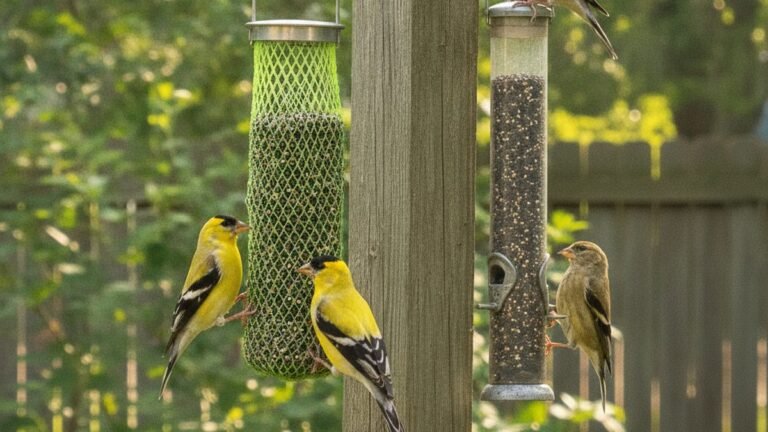
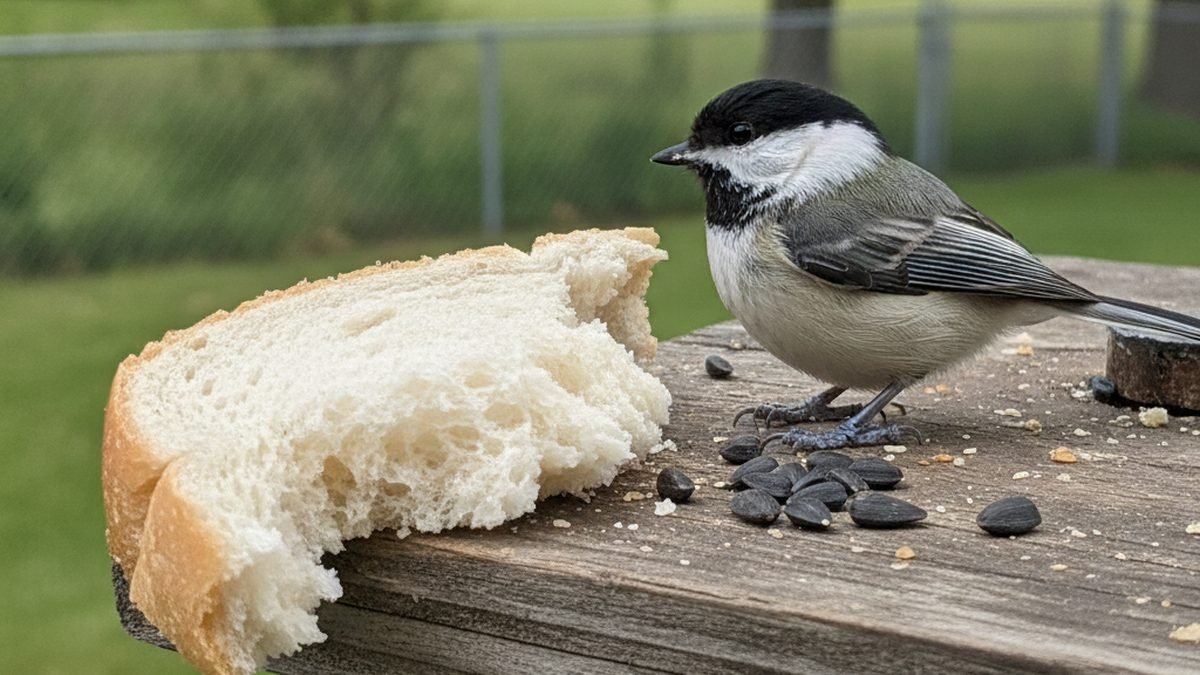
Seed and insect specialists mostly pass on bread. Black-capped Chickadees, White-breasted Nuthatches, American Goldfinches, and Downy Woodpeckers are wired to look for seeds, nuts, and insects. Bread doesn’t register as food to them the way a sunflower seed or a suet cake does.
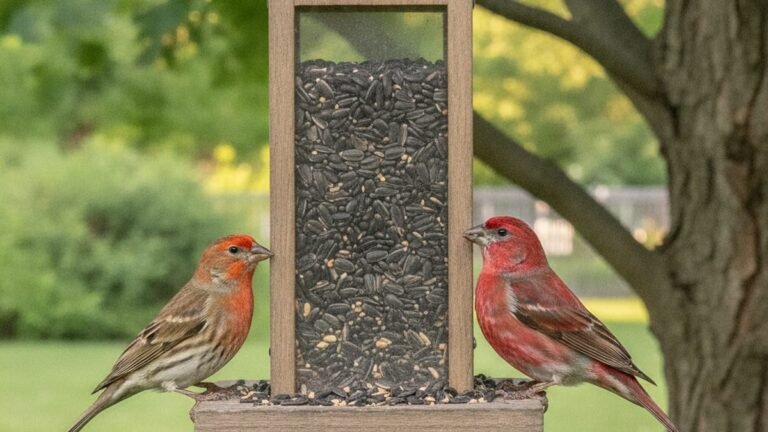
House Finches and Northern Cardinals will occasionally peck at bread out of curiosity, but I’ve never seen either species choose it over the seed in my hopper feeder. If you want to know what these birds actually prefer, my guide to bird seed types breaks down the seeds different species go for.
Why Bread Causes Real Problems
Beyond the lack of nutrition, bread creates a few specific hazards.
Angel Wing in Waterfowl
This one gets cited a lot for a reason. Ducks and geese fed too much bread can develop a condition called angel wing, where the wing joints grow abnormally and the flight feathers point outward instead of lying flat. Birds with angel wing usually can’t fly, which is a serious, permanent problem caused by too many carbs and not enough balanced nutrition during growth.
Mold Risk
Bread left outside gets soggy and moldy fast, especially in humid summer weather. Moldy bread can grow aphlatoxins and other fungi that are toxic to birds. I’ve seen how fast seed turns moldy in my platform feeder after a rainstorm, and bread molds even quicker.
Attracting Pests
Bread scraps draw rats, mice, and larger nuisance birds like starlings and gulls in bigger numbers than they draw the songbirds you actually want to see. Once pests find a reliable food source, they keep coming back, which can create bigger headaches than a few crumbs seem worth.
Digestive Trouble
Bread can swell in a bird’s crop and digestive tract, and for very small birds, filling up on bread instead of real food adds up to poor nutrition over time.
How to Offer Better Food Instead
If you want to feed birds bread-style scraps because you like the idea of sharing food, there are safer swaps. Cooked, unsalted rice, small bits of plain cooked pasta, or chopped fruit are better tolerated than bread, though none of these beat real bird food.
For actual nutrition, stick with black-oil sunflower seed, suet, nyjer for finches, and cracked corn on a platform feeder. My tube feeder is filled with nyjer just for the goldfinches, and it’s one of the most reliable feeders in my yard for pulling them in. If you’re just getting your feeding station going, my guide to starting a bird feeding routine covers the basics of what to buy first.
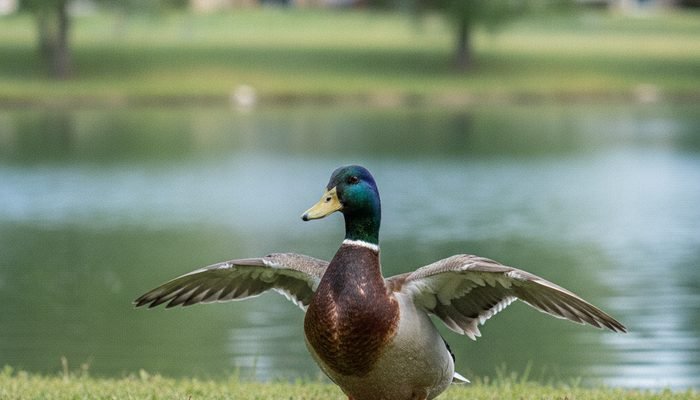
If ducks or geese are the ones you’re trying to feed at a local pond, cut up grapes, frozen peas (thawed), or plain oats are much closer to what they actually need than bread.
Is Bread Worth Buying or Saving for the Birds? Sam’s Verdict
My honest take: don’t bother. Bread is cheap and easy to grab, but it does almost nothing for the birds you’re trying to help, and it can actively cause harm in ducks and geese. I’d rather spend that same effort filling a suet cage or topping off a seed feeder.
If you’ve got stale bread you feel bad tossing, compost it or work it into your own cooking instead. Your birds will do better on real bird food, and you won’t be dealing with soggy, moldy crusts under your feeders on a hot July afternoon.
Wrapping Up
Bread feels like an easy way to share food with birds, but it just isn’t good for them. I’d rather see that same handful of scraps swapped for real seed or suet, something that actually helps the birds get through a hot summer or cold winter. Your backyard visitors, and any ducks down at the local pond, will be better off for it.
Frequently Asked Questions
Can birds eat bread at all, even a small amount?
A small crumb here and there probably won’t hurt a bird, but bread offers almost no real nutrition. Cornell Lab of Ornithology and Audubon both recommend skipping bread entirely and offering seed, suet, or fruit instead, since these give birds the protein and fat they actually need.
Is bread bad for ducks specifically?
Yes. Ducks and geese fed bread regularly are at higher risk of angel wing, a wing deformity caused by poor nutrition during growth. Bread also encourages ducks to crowd around people instead of foraging naturally, which isn’t healthy for the birds or the local ecosystem.
What can I feed birds instead of bread?
Black-oil sunflower seed, suet, nyjer seed, and cracked corn are all much better choices. These match what wild birds naturally eat and give them the fat and protein they need, especially in colder months when they need extra calories to stay warm.
Why do birds still eat bread if it’s bad for them?
Birds aren’t picky about calories in the moment. Bread is easy to find and easy to eat, so opportunistic species like Mourning Doves, gulls, and starlings will take it. That doesn’t mean it’s good for them, just that it’s available and easy.