Black Oil Sunflower Seeds: Which Birds Eat Them?
If you’re wondering which birds that eat sunflower seeds will actually show up in your yard, the short answer is: almost all of them. Black oil sunflower seed is the closest thing to a universal bird food. I’ve had it in my hopper feeder for over a decade and it pulls in more species than anything else I’ve tried.
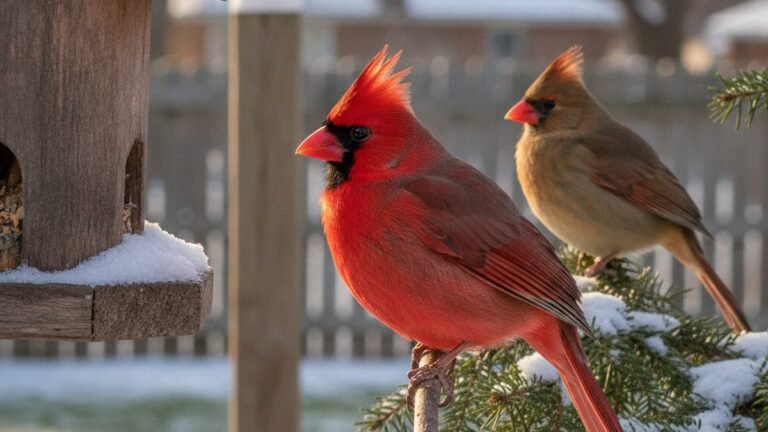
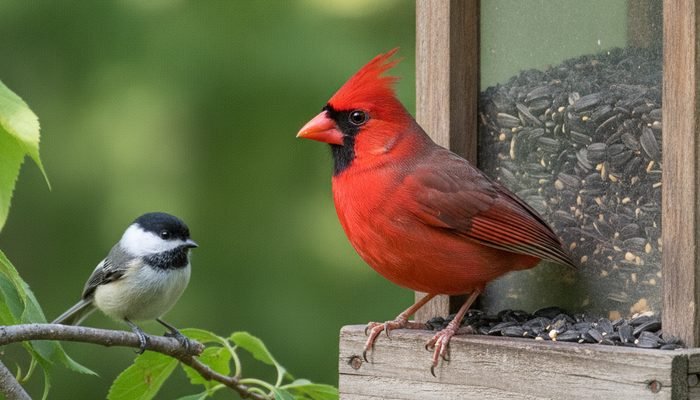
Cardinals crack it open in seconds. Chickadees grab one seed and fly off to a branch to work on it. Even Mourning Doves will peck at the seeds that fall to the ground below my platform feeder. This article covers exactly which birds eat black oil sunflower seed, which ones skip it, and how to offer it so you get less waste and fewer mystery piles of empty shells under your feeder.
What Is Black Oil Sunflower Seed
Black oil sunflower seed comes from a specific type of sunflower grown for its thin, black shell and high oil content. That’s different from striped sunflower seed, which has a thicker shell and less fat per seed.
The thin shell matters a lot. Small birds with small beaks, like chickadees and finches, can crack black oil seed much easier than the striped kind. The higher fat content also means more calories per seed, which is a big deal for birds trying to survive a cold night. The Cornell Lab of Ornithology lists black oil sunflower as one of the top all-around foods for attracting the widest variety of feeder birds in North America.
Which Birds Eat Sunflower Seeds
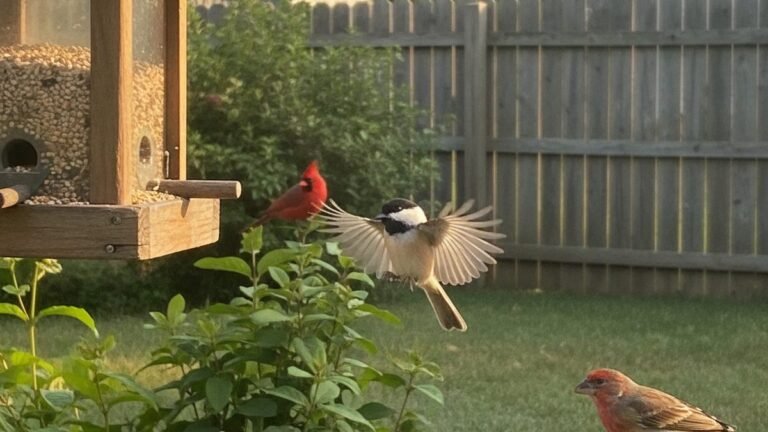
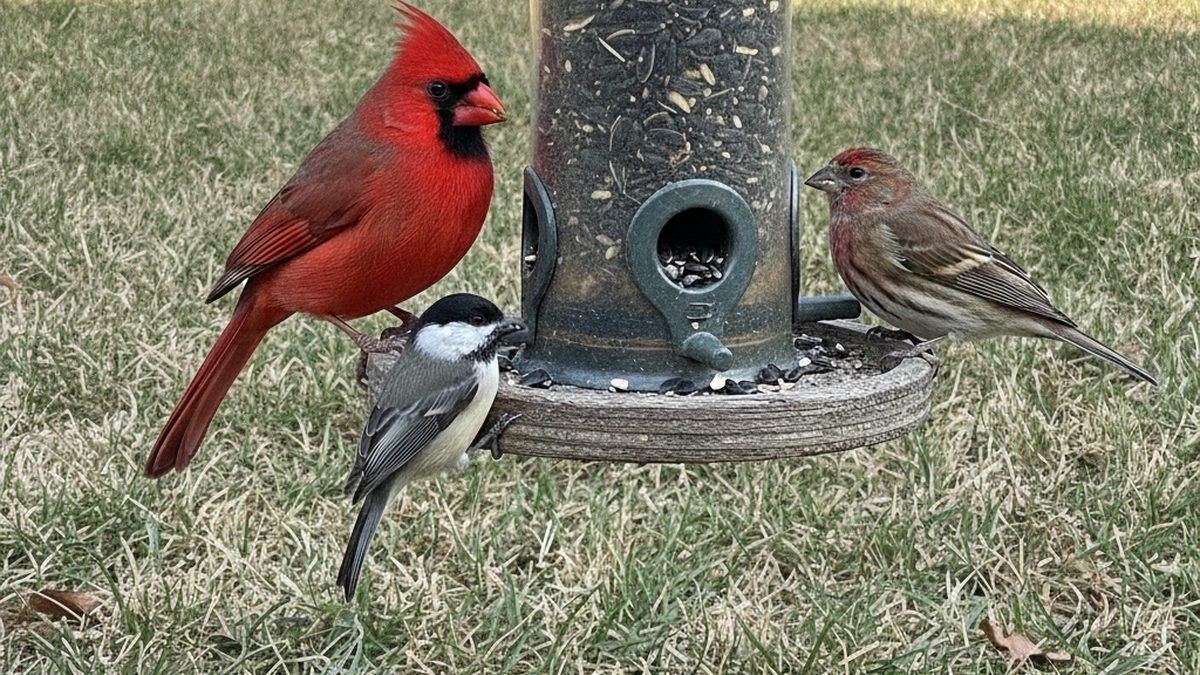
This is the long list, and it really is long. In my own yard, the birds that eat sunflower seeds most often are Northern Cardinals, Black-capped Chickadees, White-breasted Nuthatches, House Finches, American Goldfinches, and Blue Jays. All six show up at my hopper feeder on a normal day.
Beyond my regulars, black oil sunflower seed also attracts:
- Downy Woodpeckers and other woodpeckers, which will take seeds from a hopper or platform feeder even though they’re better known for suet
- Tufted Titmice
- Red-breasted and Red-winged Blackbirds in some regions
- Pine Siskins, especially in winter flocks
- Purple Finches
- Song Sparrows and White-throated Sparrows, usually feeding on dropped seed on the ground
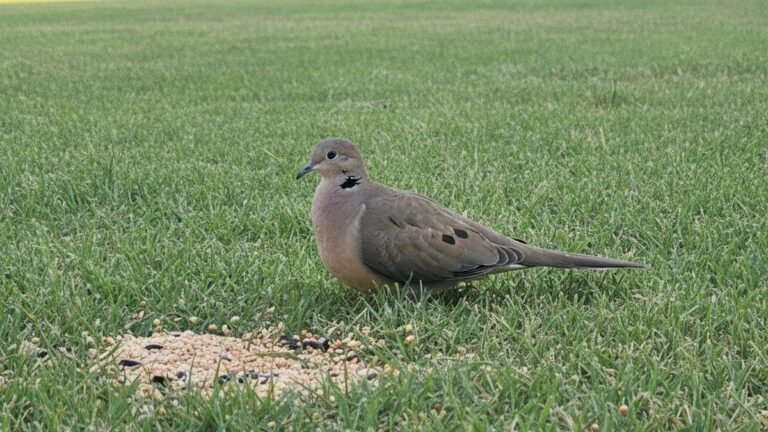
- Mourning Doves, also mostly ground feeding
- Evening Grosbeaks in northern areas during good flight years
- Dark-eyed Juncos in winter, again mostly picking up what falls
Woodpeckers and nuthatches sometimes wedge a seed into bark and hammer it open, which is fun to watch if you’ve got a tree near your feeder. My maple gets used for exactly that more than once a week.
If you want a broader breakdown of what other seed types attract which species, my full seed guide covers that side by side.
Which Birds Ignore Sunflower Seeds
Not every backyard bird cares about sunflower seed, and that’s worth knowing before you assume your feeder setup is broken.
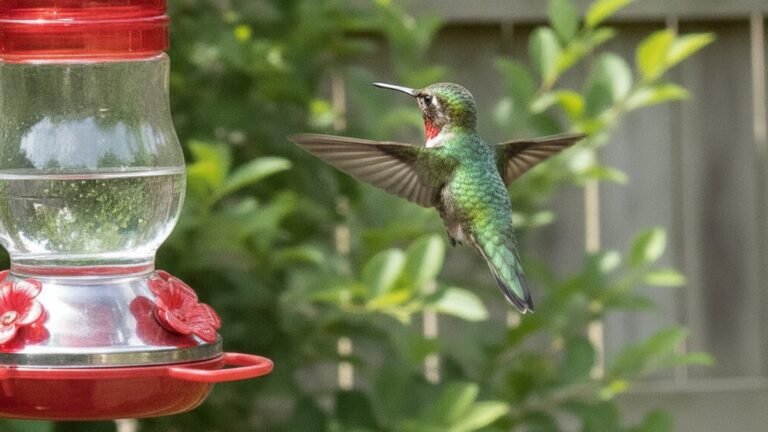
Hummingbirds obviously skip it entirely since they feed on nectar and tiny insects. If you’re trying to bring hummingbirds in, sunflower seed won’t help at all, my hummingbird feeding guide covers what actually works.
Most warblers, insect-eating birds like Eastern Bluebirds, and swallows also pass right by a seed feeder. Their diets lean heavily on insects, especially during breeding season, so seed just isn’t on the menu. Ground feeders like American Robins mostly ignore sunflower seed too, since they’re hunting worms and berries rather than picking through a feeder tray.
How to Offer Sunflower Seed
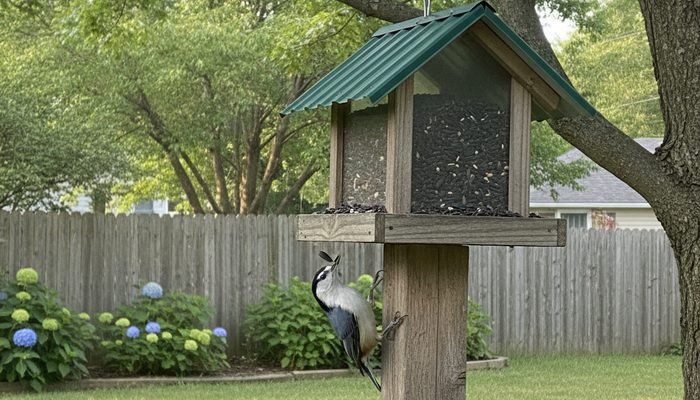
A hopper feeder or tube feeder works well for black oil sunflower seed. I keep mine in my hopper feeder near the maple tree, and it stays fairly dry under the roof even in a summer thunderstorm.
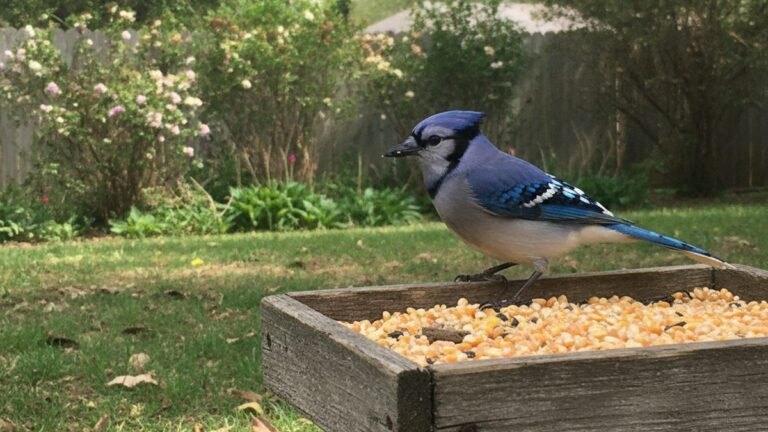
A platform feeder also works, and it’s the easiest option for bigger birds like Blue Jays or ground feeders like doves that don’t perch well on a tube. The tradeoff is that seed on an open platform gets wet faster, so I only fill mine with what will get eaten in a day or two.
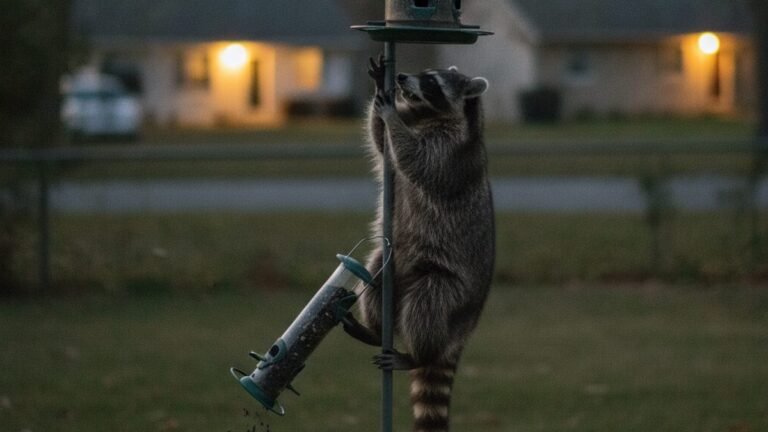
Whichever feeder you use, keep it away from thick brush where squirrels can launch an ambush. If squirrels are cleaning you out overnight, my squirrel-proofing guide has the fixes I actually rely on. And if you’re picking a spot for a new feeder, remember the 3/30 rule: place it within 3 feet of a window or more than 30 feet away, so birds don’t misjudge the glass and collide with it.
Is Sunflower Seed Worth Buying (Sam’s Verdict)
Yes, and it’s usually the first seed I’d tell a beginner to buy. Black oil sunflower seed costs more per pound than a cheap mixed bag full of filler like milo or wheat, but you waste far less of it. Almost every seed gets eaten instead of kicked out onto the ground.
If your budget only stretches to one type of seed, this is the one. It’s the seed I’d recommend pairing with suet and a nyjer feeder for goldfinches if you want to round out your yard’s variety without buying five different bags.
Wrapping Up
Black oil sunflower seed is about as close to a sure thing as bird feeding gets. It won’t bring in hummingbirds or robins, but it covers most of the birds you’re likely hoping to see at your feeder. Start with one hopper or tube feeder full of it, watch who shows up, and build your seed variety from there.
Frequently Asked Questions
Do birds prefer black oil or striped sunflower seed?
Most feeder birds prefer black oil sunflower seed. Its thinner shell is easier to crack, especially for small birds like chickadees and finches, and it has more oil and calories per seed. Striped sunflower seed is tougher to open and mainly appeals to larger birds like jays and grosbeaks.
Can I feed sunflower seeds in the shell or should I buy hulled?
Both work. In-shell seed is cheaper and lets birds do the cracking, but it leaves a mess of hulls under the feeder. Hulled seed (sometimes called sunflower hearts) costs more but produces zero waste and works well in areas where you can’t have shells piling up on a patio or deck.
Will squirrels eat all my sunflower seed before birds get to it?
Squirrels love sunflower seed just as much as birds do, and they’ll clean out a feeder fast if given the chance. A weight-activated feeder, a baffle below the feeder pole, or moving the feeder away from jumping distance from trees or fences all help cut down on squirrel losses.
Is sunflower seed bad for birds in hot weather?
Sunflower seed itself is fine in summer heat, but it can go rancid faster in humid or wet conditions. Buy only what you’ll use in a few weeks, store it in a sealed container, and check for a musty smell or clumping before refilling your feeder.