How to Start Feeding Backyard Birds: A Simple Guide
Wondering how to start bird feeding without wasting money on the wrong gear? You need one good feeder, the right seed for your area, a safe spot away from windows, and a little patience while birds find you.
I have been feeding backyard birds for over 12 years now, and I still remember how confusing it felt at the start. There were so many feeder styles and seed bags at the store, and no one told me which ones actually worked. So I am going to walk you through exactly how I would set things up if I were starting fresh today.
Step 1: Pick One Feeder to Start With
Do not buy five feeders on day one. Start with one and see how it goes.
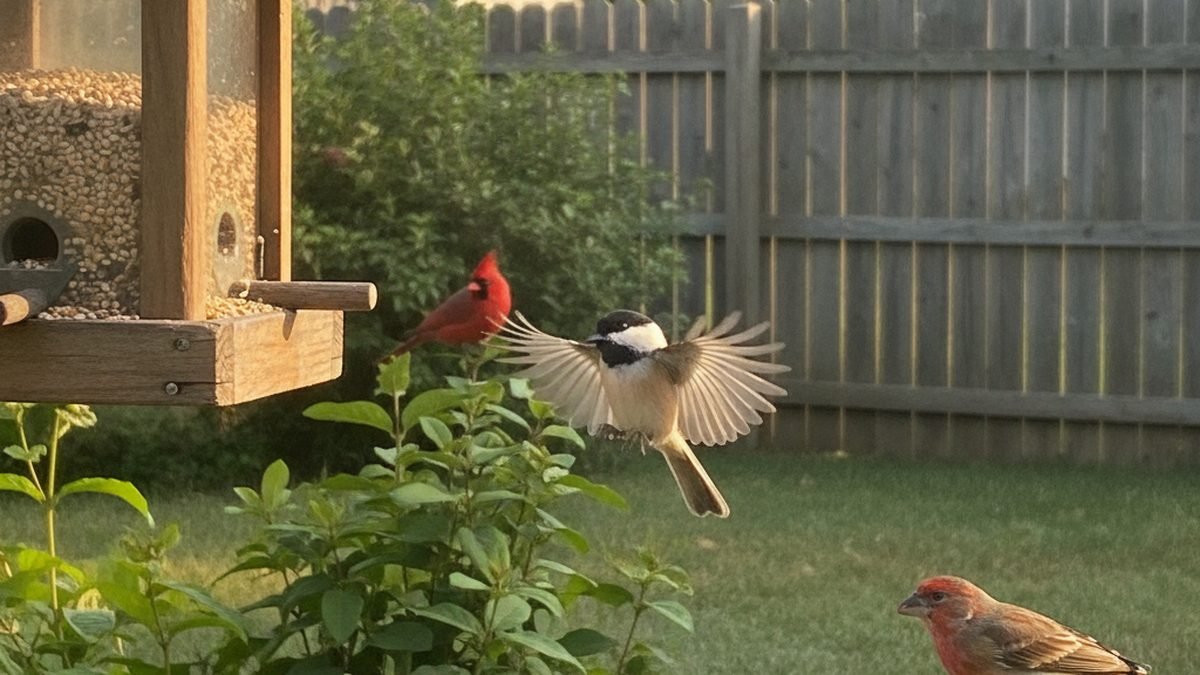
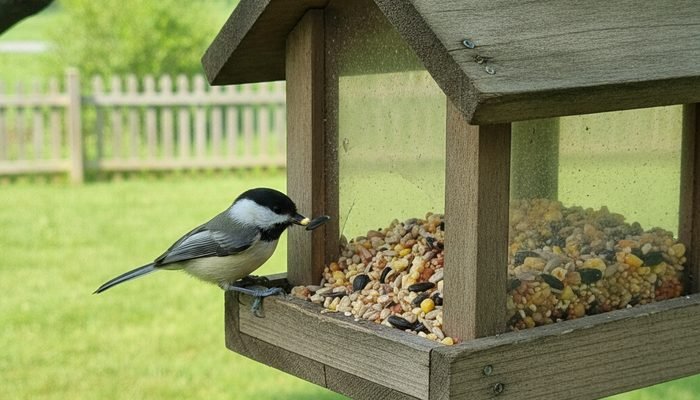
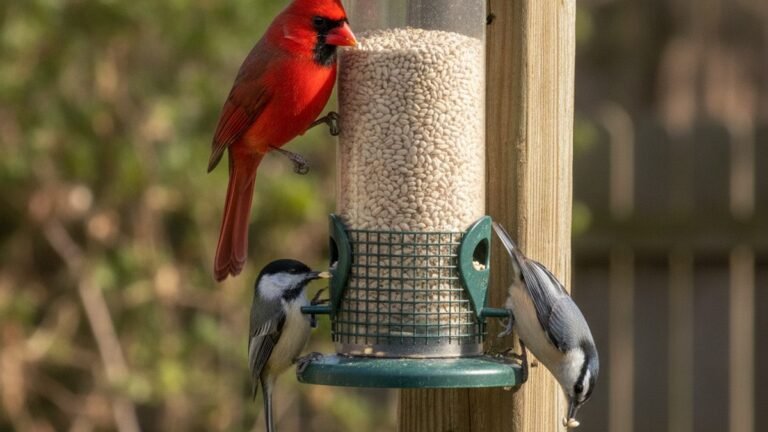
A hopper feeder is my top pick for beginners. It holds a lot of seed, keeps it fairly dry, and attracts a wide mix of birds like cardinals, chickadees, and finches. A tube feeder is another solid choice, especially if you want to attract goldfinches with nyjer seed.
I run a hopper feeder, a tube feeder, a suet cage, and a platform feeder in my own yard now, but that took years to build up. Your first feeder just needs to be sturdy and easy to fill. If you want to compare styles side by side before buying, this breakdown of different types of bird feeders covers the pros and cons of each one.
Step 2: Choose the Right Seed
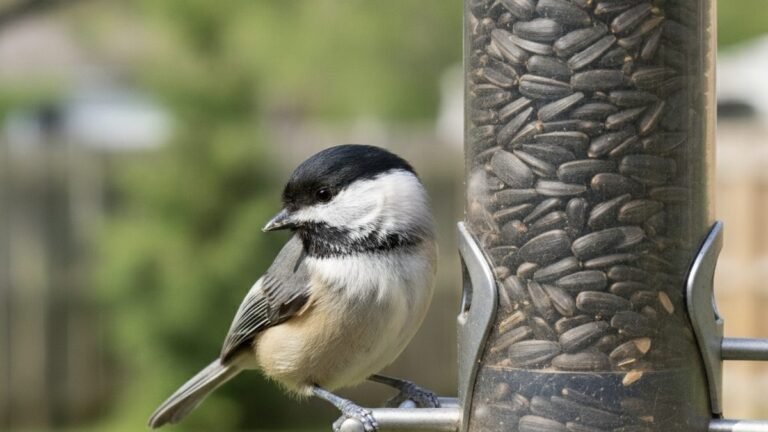
Seed choice makes or breaks your first few weeks. Black oil sunflower seed is the closest thing to a universal favorite. Cornell Lab of Ornithology notes it appeals to more feeder birds than almost any other single seed type, because the shell is thin and the kernel is high in fat.
Skip the cheap mixed birdseed bags full of milo, wheat, and red millet filler. Most backyard birds pick around those and kick them onto the ground, which just attracts squirrels and rodents. If you want a full breakdown of seed types and who eats what, check out this bird seed guide. For beginners, one bag of black oil sunflower seed and one small bag of nyjer for finches is plenty to start.
Step 3: Place Your Feeder Where Birds Feel Safe
Location matters more than people think. Birds want cover nearby so they can dodge hawks and other predators, but not so much cover that cats can ambush them.
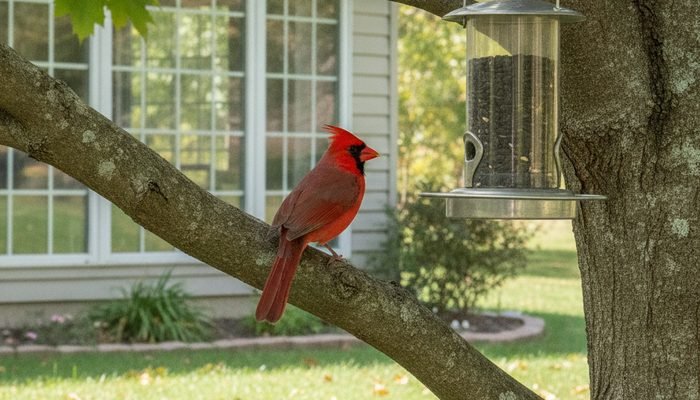
I hang my feeders near a mature maple tree, about 10 feet from the trunk. That gives the birds a quick escape route and a place to perch while they wait their turn.
Window strikes are a real risk too. Follow the 3/30 rule from the Audubon Society: place feeders within 3 feet of a window, or more than 30 feet away. Either distance keeps birds from building up enough speed to hurt themselves if they startle and fly toward the glass. For more detail on this, see how to stop birds flying into windows. I watch my own feeders from my kitchen window across the yard, well past that 30 foot mark.
Step 4: Add Water if You Can
A birdbath is not required to start, but it helps a lot. Birds need water for drinking and bathing year round, and a clean water source can bring in species that ignore seed feeders entirely.
I use a simple pedestal birdbath in my yard. Nothing fancy. I just make sure to dump and refill it every couple of days so the water stays fresh, especially in summer heat.
If you are not ready for a birdbath yet, that is fine. Seed and shelter will still get you plenty of visitors.
Step 5: Be Patient and Watch for Common Mistakes
This is the step most beginners skip, and it is the reason so many people give up too early. It can take anywhere from a few days to a few weeks for birds to discover a new feeder. Project FeederWatch data backs this up: new feeding stations often sit quiet at first, especially outside of peak fall and winter activity.
While you wait, avoid the classic rookie errors. Do not let seed sit wet and moldy after rain. Do not place the feeder in full sun all day, since birds prefer some shade. Do not give up and take it down after one slow week. If your feeder has been up a while with no visitors, this guide on why birds aren’t coming to your feeder walks through the most likely reasons. And for a fuller list of pitfalls, I put together this rundown of common bird feeding mistakes beginners make.
What to Expect in Your First Month
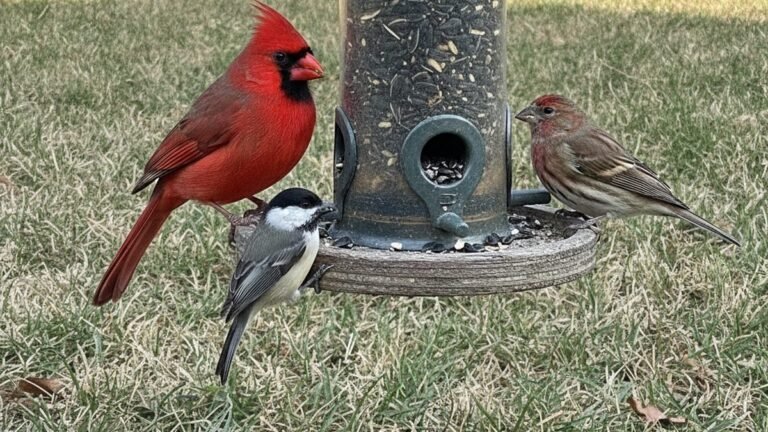
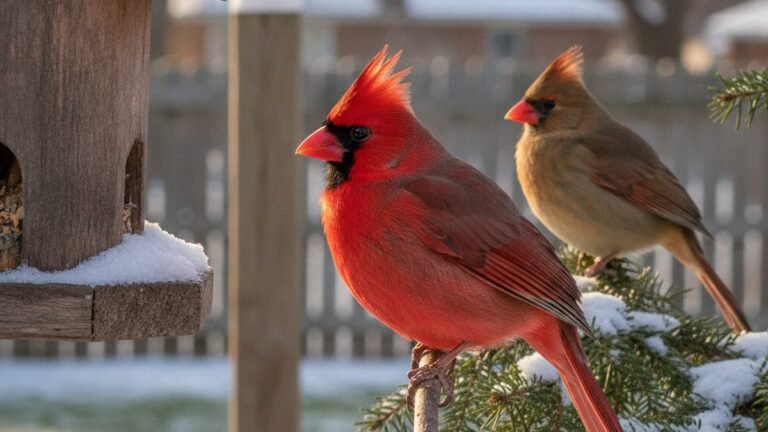
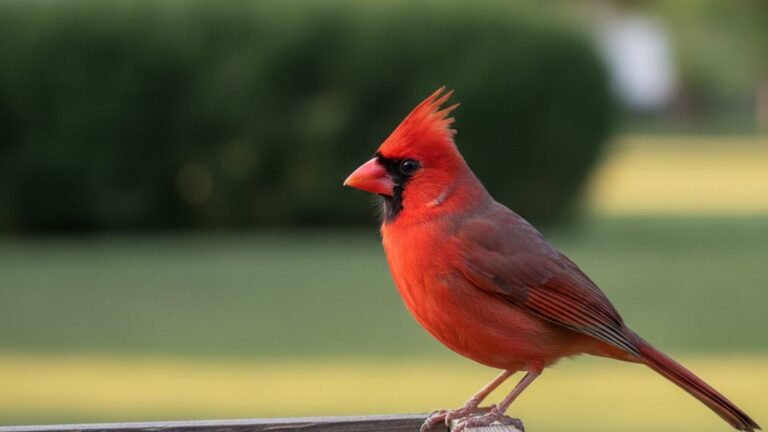
In most Upper Midwest yards, the early visitors tend to be the bold, adaptable species. Black-capped Chickadees and House Finches often show up first. Once word gets around, so to speak, you may start seeing Northern Cardinals, White-breasted Nuthatches, Downy Woodpeckers, and Blue Jays.
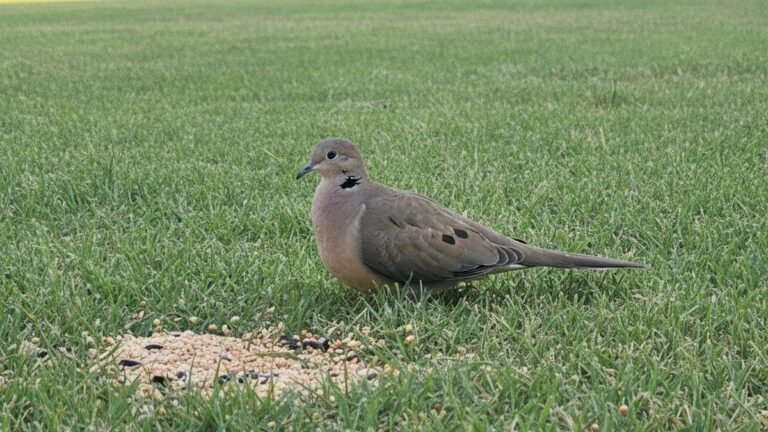
In winter, Dark-eyed Juncos often join the mix, foraging near the ground under your feeder. Mourning Doves tend to prefer platform feeders or open ground where they can walk around while they eat.
Do not expect every species on that list right away. Some birds take longer to trust a new food source, and your results depend a lot on what is already living in your neighborhood.
Wrapping Up
Starting out with backyard birds does not need to be complicated. Pick one good feeder, fill it with black oil sunflower seed, place it with birds’ safety in mind, and give it time. Once you see that first cardinal or chickadee land on your feeder, you will understand why so many of us stick with this hobby for years. Take it slow and let your yard tell you what to add next.
Frequently Asked Questions
What is the best food to start feeding birds?
Black oil sunflower seed is the best all-around choice for beginners. It appeals to the widest range of backyard birds, including cardinals, chickadees, finches, and nuthatches. Add nyjer seed in a tube feeder if you specifically want to attract goldfinches.
How long does it take for birds to find a new feeder?
It can take anywhere from a few days to a few weeks. Birds need time to notice a new food source and feel safe using it. Keep the feeder filled and be patient, especially if you set it up outside of fall or winter when feeding activity is naturally higher.
Do I need a birdbath to attract birds?
No, a birdbath is not required to start. Seed feeders alone will attract plenty of birds. That said, fresh water can bring in additional visitors and gives birds a place to drink and bathe, which they need year round.
Is it expensive to start feeding backyard birds?
Not really. A basic hopper or tube feeder plus a bag of black oil sunflower seed can cost under 30 dollars total. You can always add more feeders and seed types later once you see which birds are visiting your yard.

2 Comments