When Do Hummingbirds Leave? Migration Dates by Region
Hummingbirds start migrating south as early as late July, and most are gone from northern states by late September. If you’re seeing fewer hummers at your feeder right now, that’s not a bad sign. It’s just the calendar doing its thing.
I don’t run a hummingbird feeder myself these days, but I track migration timing closely every August and September because it shifts how I plan my own feeder lineup for fall. Nectar-loving birds and seed-loving birds don’t move on the same schedule, and knowing when do hummingbirds migrate helps you avoid two common mistakes: taking a feeder down too soon, or worrying that something is wrong when the yard just goes quiet for a while.
This guide breaks migration timing down by region, explains why it happens earlier than most people expect, and covers the feeder mistakes that trip up well-meaning hosts every fall.
Mistake 1: Assuming All Hummingbirds Leave at the Same Time
This is the biggest misunderstanding I see. Hummingbird migration is not a single event. It’s a slow wave that moves south over about ten weeks.
According to Cornell Lab of Ornithology, Ruby-throated Hummingbirds (the main species east of the Rockies) begin leaving the northern U.S. and Canada in late July and early August. Adult males often go first. Females and young birds follow through August and into September.
Rough Regional Departure Windows
These dates are general patterns, not fixed rules. Weather and food supply shift things year to year.
- Canada and the Upper Midwest: late July through early September
- Northeast and New England: mid-August through late September
- Mid-Atlantic and Ohio Valley: late August through early October
- Southeast: September through October, with some lingering into November
- Gulf Coast staging areas: peak activity in September as birds fuel up before crossing the Gulf of Mexico
- Western species like the Rufous Hummingbird: some of the earliest movers, often heading south by July
If your feeder traffic drops off in late August, you’re right on schedule, not doing anything wrong.
Mistake 2: Taking the Feeder Down Too Early
Some people pull their hummingbird feeder down around Labor Day because they assume the birds are already gone. That can leave stragglers and late migrants without an easy fuel stop.
Audubon Society recommends leaving feeders up for about two weeks after you see your last hummingbird, since some individuals pass through well after the local breeders have left. A feeder left up in September or even October does not delay migration or trick birds into staying too long. Migration timing is driven by daylight length, not food availability, so you’re only helping late travelers refuel.
If you also run seed feeders, this is a good time to check that your feeder activity troubleshooting guide in case cooler weather is shifting which birds show up in your yard.
Mistake 3: Confusing Slow Feeder Traffic with a Health Problem
Every fall I hear from people who worry their hummingbirds “disappeared” overnight. In most cases nothing is wrong. The birds are following an internal clock tied to shortening daylight, and they leave in a steady trickle rather than all at once.
A sudden empty feeder in early September in the Upper Midwest is normal. The same empty feeder in early July would be worth a second look, since that’s well before typical departure dates.
Old or moldy nectar can also make it look like activity dropped when really the birds are avoiding spoiled food. I change nectar in my own feeders every few days during warm weather for exactly this reason, even though hummingbirds aren’t part of my regular yard mix.
Mistake 4: Not Fueling Up Migrants Passing Through
Even if your local hummingbirds have already left, migrants from farther north may still pass through your area for weeks. These birds need quick access to nectar to build up fat reserves for the next leg of their trip, especially before a long flight like the Gulf crossing.
Keep nectar fresh (a plain 4 parts water to 1 part sugar mix, no dye or honey) and keep the feeder clean. Cornell Lab notes this ratio mimics natural flower nectar concentration closely enough to support fueling birds. If you also grow late-blooming native flowers, that helps too, since flowers and feeders work together during the migration crunch.
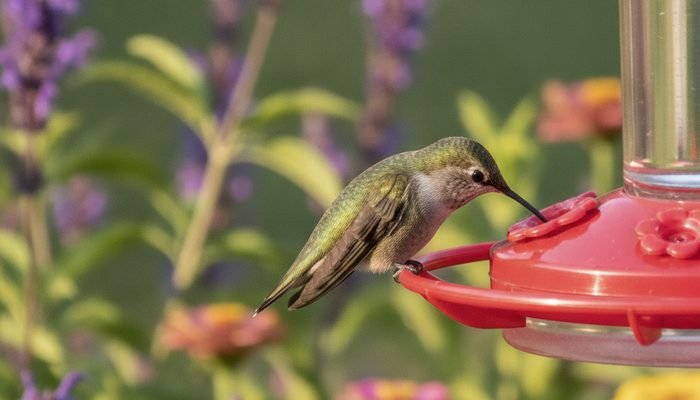
What NOT to Do
Don’t add red dye to nectar. It’s not needed and may not be good for the birds. Don’t let nectar sit for more than a few days, especially in warm weather, since it can ferment or grow mold. Don’t take your feeder down the moment you stop seeing regular visitors. And don’t panic if activity slows in late August. That’s the migration schedule working exactly as it should.
If you’re setting up your yard for the shoulder season between hummingbird migration and winter feeding, it’s worth reviewing which birds eat sunflower seeds so your other feeders stay busy while the hummingbirds move through.
Wrapping Up
Migration timing can feel sudden if you’re watching it happen in your own backyard, but it’s really a slow, staggered process spread over weeks. Keep your feeder clean and full a little longer than you think you need to, and you’ll help late migrants on their way south. If your yard goes quiet, take it as a sign the season is turning, not that you did something wrong.
Frequently Asked Questions
What month do hummingbirds usually leave?
In most of the northern and central U.S., hummingbirds start leaving in August, with numbers dropping steadily through September. Southern states may still see migrants into October. Exact timing depends on latitude and weather, but daylight length is the main trigger, not temperature.
Should I take my hummingbird feeder down in fall?
Not right away. Audubon Society suggests keeping it up about two weeks after your last sighting, since later migrants from farther north may still pass through. Leaving nectar out does not delay migration, since birds leave based on daylight cues, not food supply.
Do all hummingbirds migrate at the same time?
No. Adult males typically leave first, followed by females and then juvenile birds over several weeks. This staggered departure is why feeder activity fades gradually through August and September instead of stopping all at once.
Why did my hummingbirds disappear suddenly?
A sudden drop in late summer usually just means local birds have started migrating. Check that nectar is fresh, since spoiled nectar can also reduce visits. If it happens in early or mid summer, well before typical migration dates, it’s worth checking your feeder for other issues.