4 Foods You Should Never Feed Wild Birds
If you want to know what not to feed birds, here’s the short answer: skip bread, avoid salted or seasoned snacks, never put out anything moldy, and steer clear of milk or other dairy. These four things cause real harm, from choking to organ damage, even though they seem harmless.
I’ve been feeding the birds in my yard for over 12 years now, and I’ve made a few of these mistakes myself early on. Nothing bad happened to my birds, thankfully, but I learned fast once I read up on why certain foods are a bad idea.
Let’s go through each one, why it’s a problem, and what to offer instead.
1. Bread and Other Baked Goods
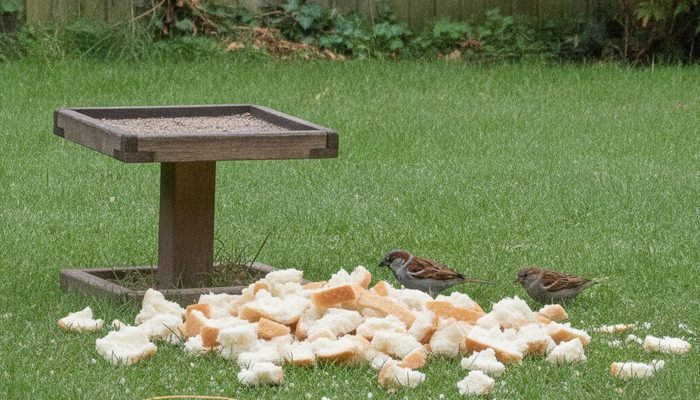
Bread is probably the most common thing people toss out for birds, and it’s also one of the worst. It has almost no real nutrition. Birds fill up on it and then don’t eat the seeds, nuts, and insects that actually keep them healthy.
Bread can also mold fast, especially in humid weather. Moldy bread can cause a lung infection in birds called aspergillosis. If you want the full breakdown on this one, I wrote a separate piece on why bread is a bad choice for birds that covers it in more detail.
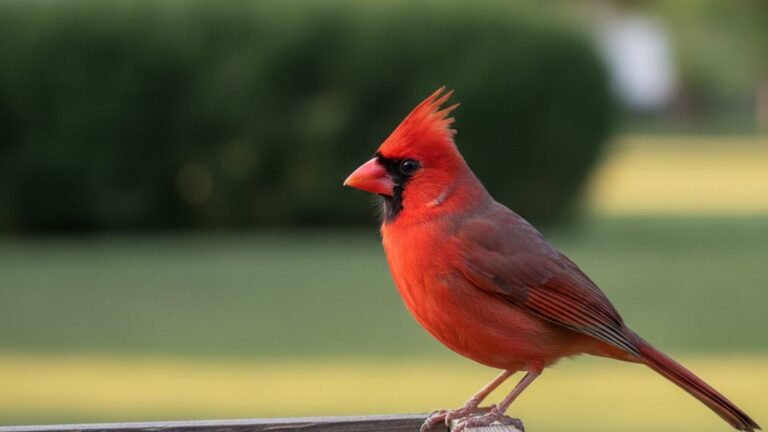
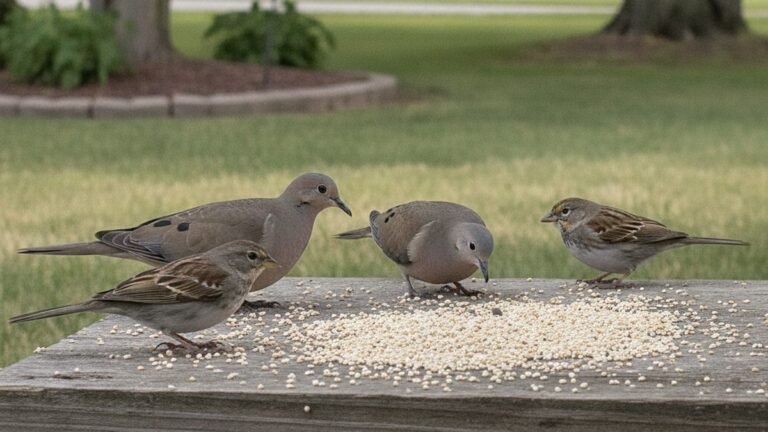
Ducks and geese are the classic bread victims, since people love tossing it at the local pond. But it’s just as unhelpful for cardinals, chickadees, and sparrows in your own backyard.
2. Salted or Seasoned Snacks
Chips, salted nuts, crackers, popcorn with butter and salt, all of that falls into the same trap. Birds have tiny bodies and can’t process high sodium levels the way we can.
Too much salt can throw off a bird’s fluid balance and lead to dehydration or worse. The Cornell Lab of Ornithology and Audubon Society both point to salt as one of the clearest no’s on the backyard feeding list.
Plain, unsalted nuts (chopped small) are fine for jays and woodpeckers. Just leave the seasoning packet in the pantry.
3. Moldy or Spoiled Seed
This one sneaks up on a lot of feeder owners. Seed that gets wet in a rainstorm, then dries and gets wet again, can grow mold you might not even notice.
I check my tube feeder and hopper feeder every time I refill, especially after a few rainy days in a row. Clumpy, damp, or musty-smelling seed goes straight in the trash, not the feeder. Moldy seed can cause the same aspergillosis infection I mentioned with bread, and it can be fatal to birds like finches and chickadees.
If you’re finding moldy seed often, it might be a sign your feeder needs better drainage or a cover. My guide on choosing the right bird feeder walks through which styles hold up best in wet weather.
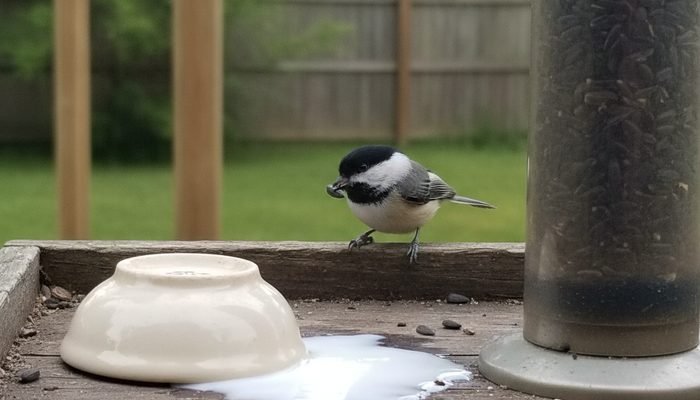
4. Milk and Dairy Products
Birds don’t produce the enzyme needed to break down lactose. Milk, cheese, or yogurt left out for birds can cause digestive upset and diarrhea, which leads to dehydration pretty quickly.
This mistake usually shows up with well-meaning folks who put out bread soaked in milk, thinking it’s a treat. It’s actually a double problem, since you get the bread issue and the dairy issue at the same time.
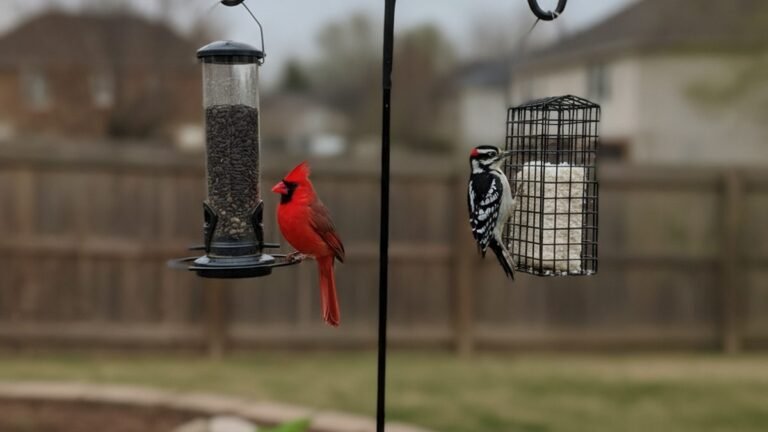
Suet cakes are a safe substitute if you want to offer fat. My woodpeckers and nuthatches go through the suet cage in my yard pretty quickly, and it’s rendered beef fat, not dairy.
What Birds Should Eat Instead
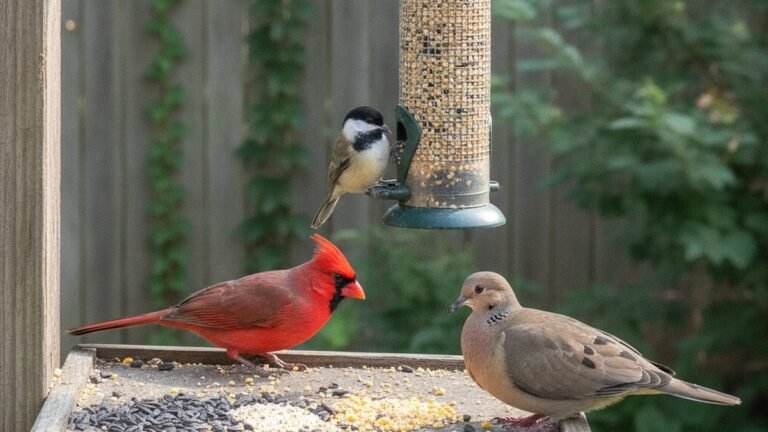
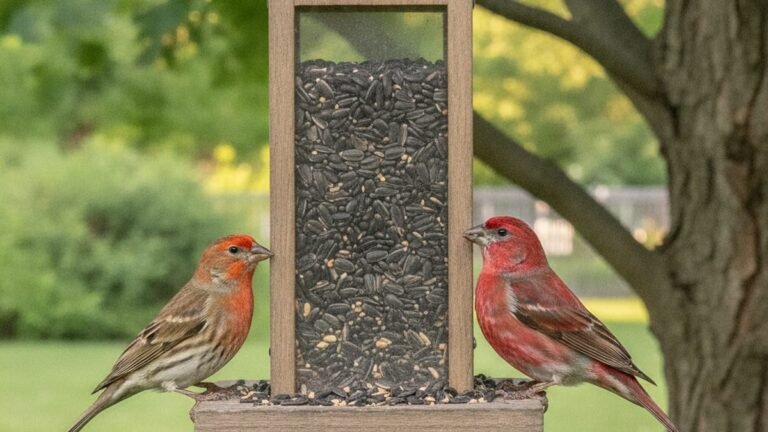
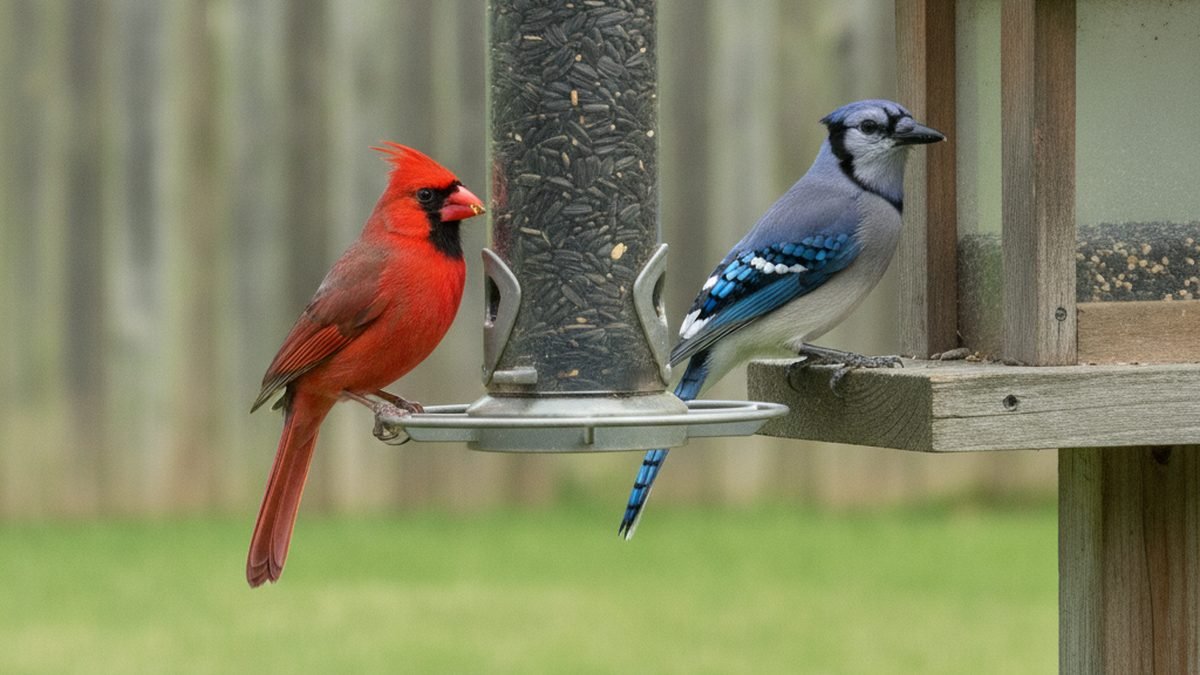
Black-oil sunflower seed is about as close to a universal favorite as you’ll find. Cardinals, chickadees, nuthatches, finches, and jays all go for it in my yard. Nyjer seed is the one to reach for if you’re hoping to bring in American Goldfinches, which is why my tube feeder is filled with it.
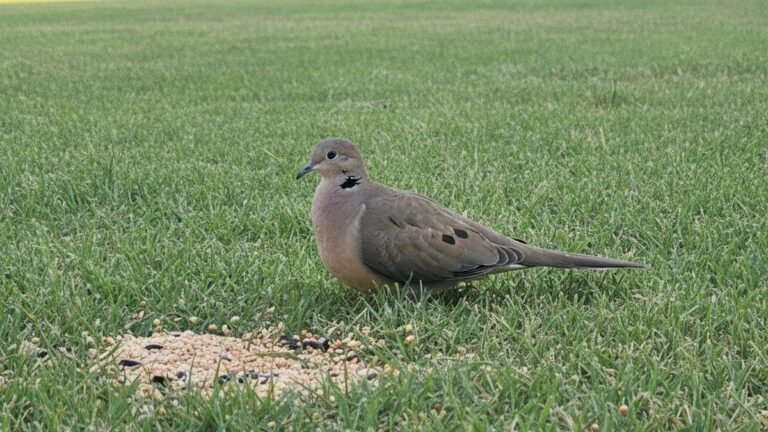
Suet, peanuts (unsalted), and a good mixed seed blend round out a solid feeding station. If you’re just getting your feeding routine set up, my post on what bird seed actually attracts birds is a good next stop.
Fresh water matters too. My pedestal birdbath gets just as much traffic as any of my feeders, especially on hot summer days.
Other Beginner Mistakes to Watch For
Feeding the wrong foods is just one piece of it. Things like letting seed sit too long, hanging feeders in the wrong spot, or using cheap filler seed can all slow down your success too.
I covered a bunch of these in common bird feeding mistakes beginners make, if you want the bigger picture beyond just food choices.
Wrapping Up
Keeping birds safe really comes down to a simple rule: if it’s salty, moldy, dairy, or basically empty calories like bread, leave it out of the feeder. Stick with sunflower seed, nyjer, suet, and clean water, and your yard visitors will do just fine. I still double check my own feeders after a rainy week, and it only takes a minute to catch a problem before it becomes a bigger one.
Frequently Asked Questions
Can birds eat rice?
Plain cooked or raw rice is fine for birds. It won’t expand in their stomachs or hurt them, despite the old wedding myth. Just avoid seasoned or salted rice for the same reason you’d avoid other salty foods.
Is it OK to feed birds fruit?
Yes, in moderation. Chopped apples, grapes, and berries are enjoyed by robins, waxwings, and orioles. Avoid pits and seeds from fruits like apples and cherries, since they contain small amounts of cyanide-producing compounds.
What household scraps are safe for birds?
Plain cooked pasta, unsalted nuts, cooked rice, and small bits of unseasoned cooked egg are generally safe. Keep portions small and skip anything salty, sugary, or moldy. Fresh seed and suet are still the better everyday choice.
Why did my bird seed get moldy so fast?
Seed molds quickly when it sits in a feeder that traps moisture, or after repeated rain without drying out. Clean your feeder every couple of weeks and only fill it with as much seed as birds will eat in a few days.